

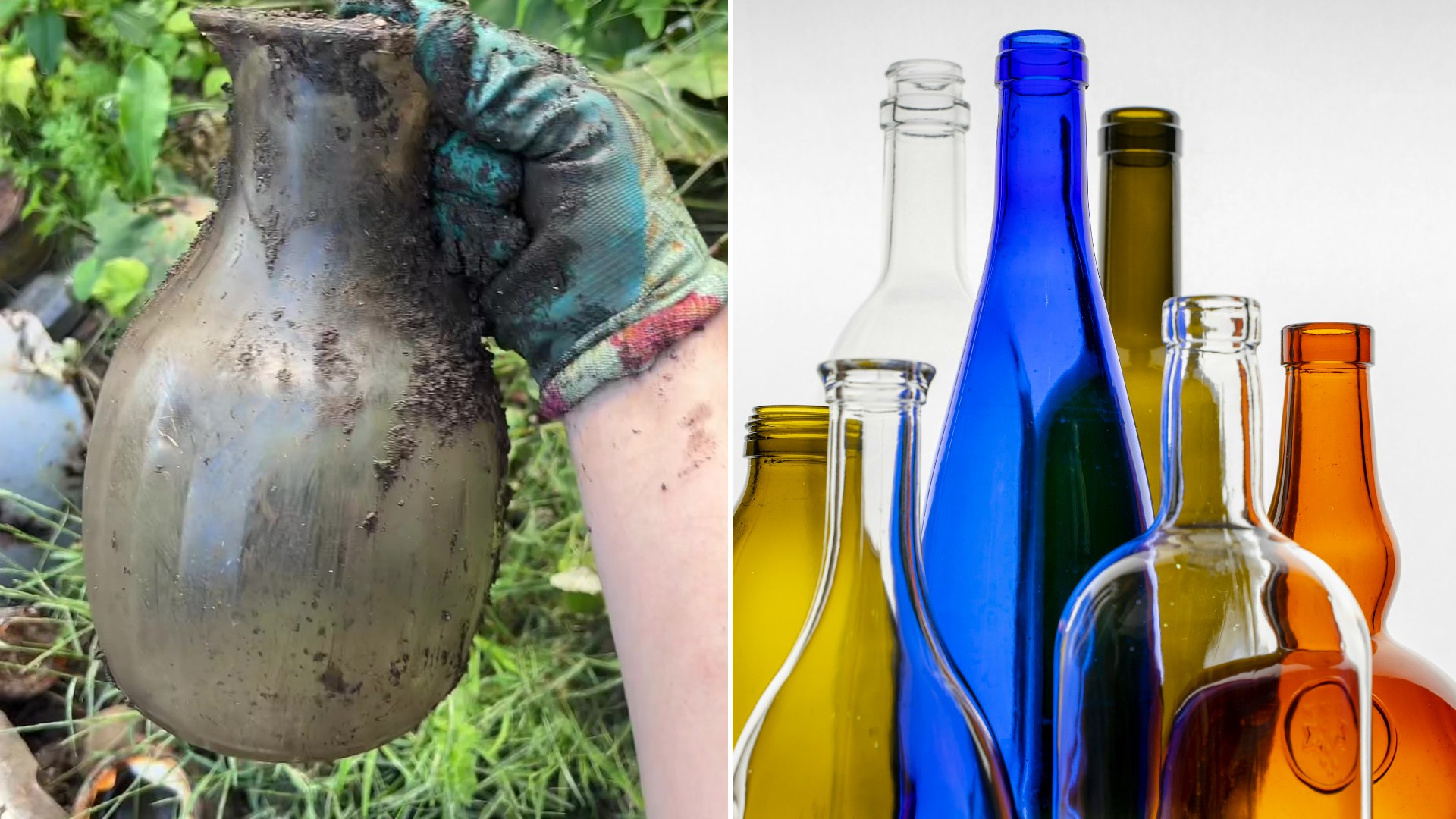
Some yards hold more history than their owners realize, buried a few inches beneath the grass and forgotten for decades. A creator who posts on TikTok as @thegreenemanor recently tapped into that kind of hidden history, filming herself digging into a specific patch of dirt on a hunch and pulling out a cluster of old glass bottles and other buried objects, all while explaining in her caption: “I knew I had the feeling for a reason.”
That line does a lot of work in framing the video. This wasn’t a random excavation — by her own account, she had a specific instinct about that patch of ground, strong enough that she decided to actually dig, and the dig paid off. What the footage shows is straightforward: glass bottles and assorted buried objects, unearthed from the dirt, the kind of find that suggests the spot had been used, at some point in the past, for discarding or burying household refuse, a common practice in the decades before modern trash collection became standard.
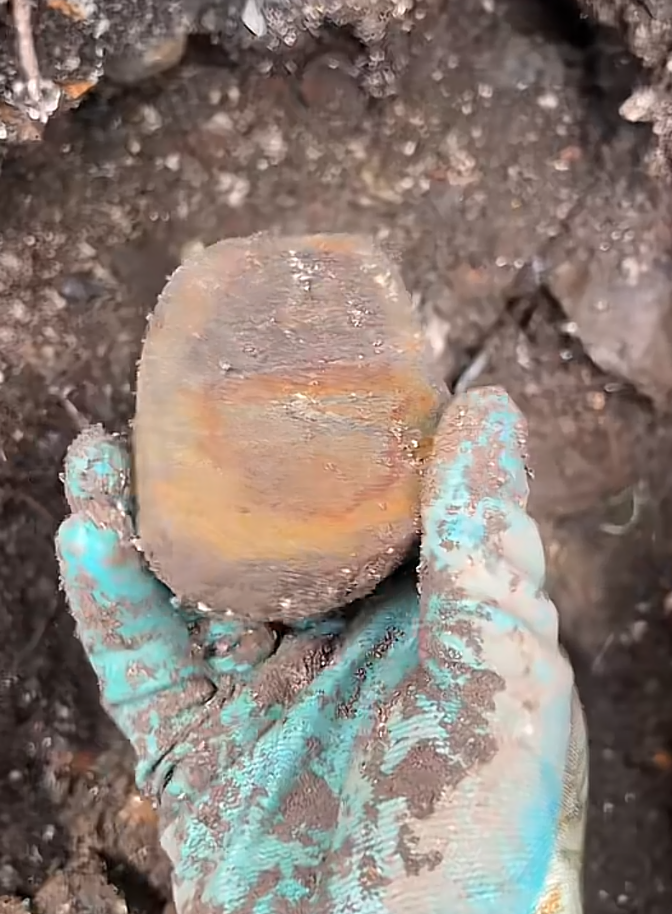
Backyard bottle digging has a long, devoted following of its own, separate from the broader thrifting and antiquing world. Old homesteads, farmhouses, and rural properties often sit on top of what collectors call “dump sites” or “privy pits” — informal disposal areas where earlier residents tossed broken glass, ceramics, and other household waste rather than hauling it away. Because glass doesn’t decompose, bottles from these sites can survive buried in the ground for a hundred years or more, their shapes, colors, and embossed lettering intact enough to hint at the era they came from, even without any accompanying paperwork.
It’s important to be precise about what the video actually establishes. The footage clearly supports what was found: glass bottles and other objects pulled from that patch of dirt, on camera, in real time. What it doesn’t establish, on its own, is exactly how old those bottles are, where they originally came from, or what significance — if any — they hold beyond being buried household debris. Dating bottles accurately typically requires a closer look at manufacturing marks, seam lines, and glass composition, details that a quick reveal video isn’t necessarily built to cover. The creator’s instinct that something was buried there turned out to be correct; what exactly that something represents historically is a separate question the clip leaves open.
Still, there’s something genuinely compelling about the premise itself — a hunch, acted on, that turns out to be right. Plenty of homeowners walk past the same patch of yard for years without a second thought. Acting on a feeling that something is buried underneath, and then actually finding something, taps into a very old kind of curiosity: the sense that the ground beneath a property holds traces of everyone who lived there before, waiting for someone to finally dig them up.
Whatever the exact story behind this particular patch of dirt, the video captures a moment familiar to anyone who has ever had an unexplainable hunch about their own property — and, in this case, a moment where following through on it turned up something real.
What to Do If You Dig Something Up
Anyone who stumbles onto old bottles or buried objects in their own yard should resist the urge to scrub them clean right away. Dirt and mineral buildup can actually help protect fragile old glass, and aggressive cleaning risks scratching or cracking a piece before it’s even been identified. A gentle rinse, followed by research into embossed lettering, bottle shape, and seam lines, is usually enough to get a rough sense of age and origin, and local bottle-collecting clubs or online identification communities are often happy to help pin down details further. It’s also worth remembering that older properties can occasionally yield finds with more than just collector value — broken glass and ceramics are common, but anything that looks historically or archaeologically significant is worth researching carefully, and in some cases reporting to local historical authorities, before digging further or disturbing the site.

Leave a Reply