

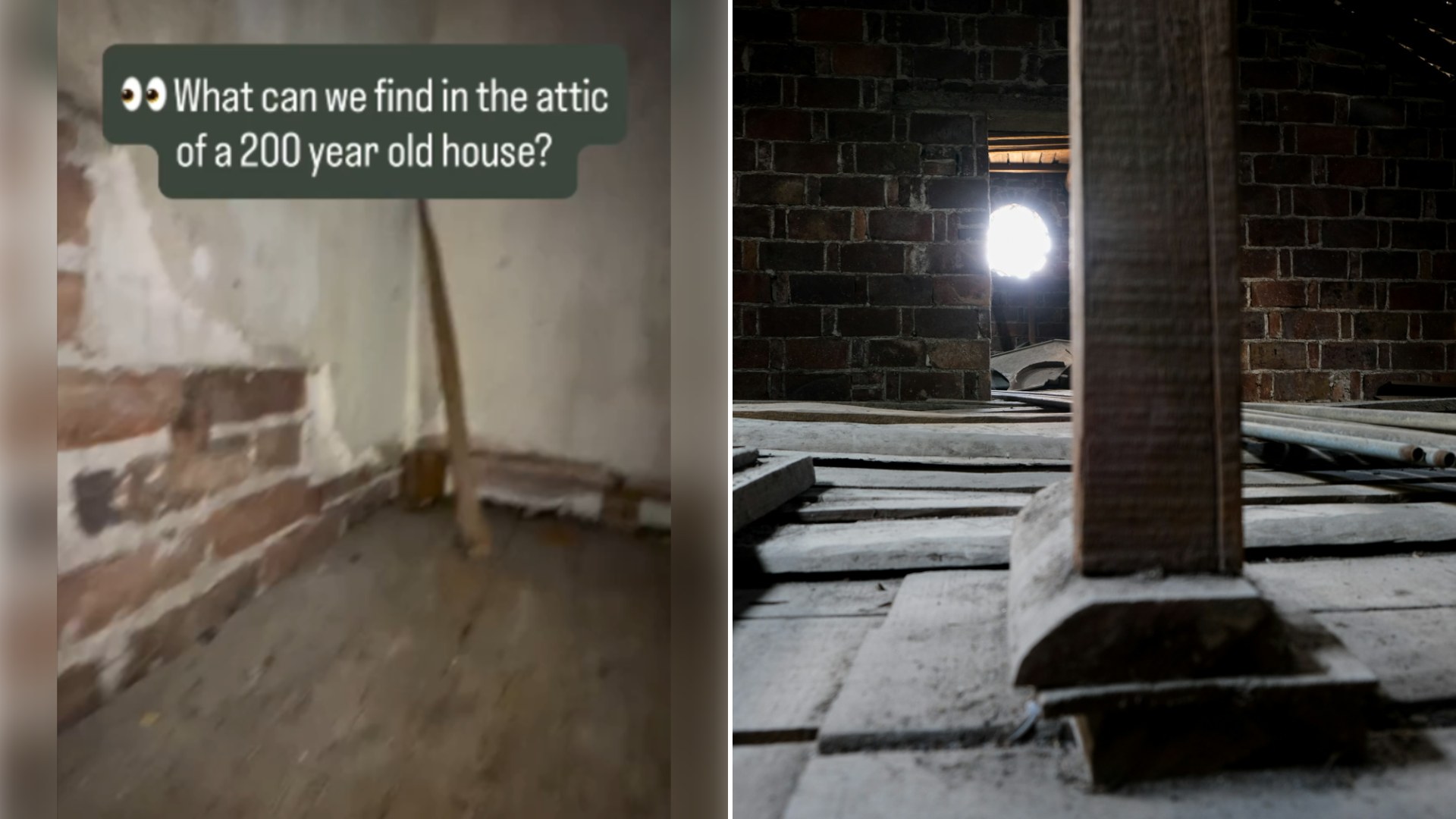
Old-house content has carved out a loyal niche on TikTok, where creators walk viewers through the hidden corners of historic properties — crawl spaces, root cellars, sealed-off rooms — that most homeowners never bother to explore. A creator who posts as @saedek_oins_ recently added to that genre with a video exploring the attic of a property she describes as a roughly 200-year-old Georgian house, uncovering what she says are the home’s original spiral-staircase steps and two rooms she identifies as having once housed servants.
The video, labeled “Attic Part 1,” invites viewers along for the exploration directly: “Come and explore the attic of a 200 year old Georgian House,” the caption reads, tagged with #georgianarchitecture and #vintagefinds. According to the creator, the age and architectural style of the house are Georgian — a designation that, in Britain, typically refers to homes built roughly between the early 1700s and early 1800s, a period known for its symmetrical facades, classical proportions, and, often, a servants’ quarters tucked into the upper floors, exactly the kind of space she says she finds waiting in the attic.
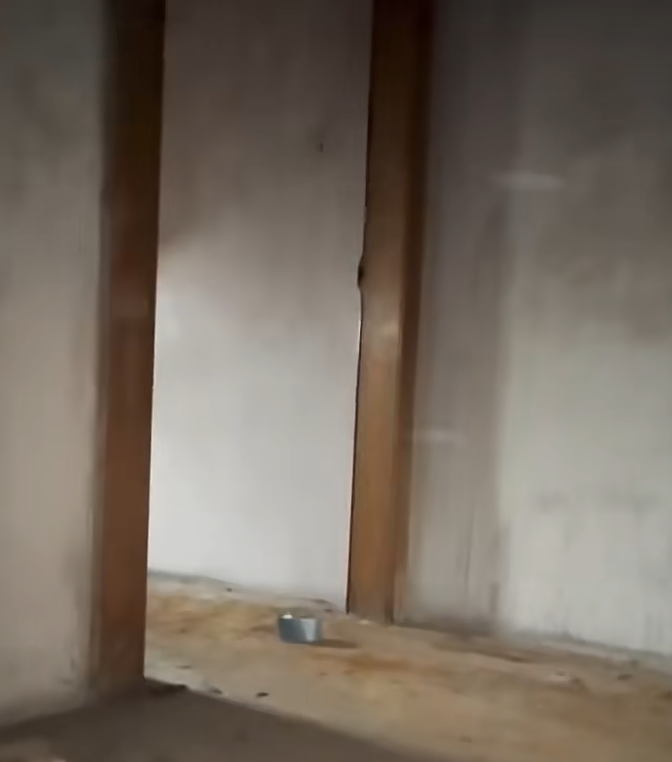
It’s worth being precise about how that history is being presented. The claims about the house’s age and its original purpose come from the creator herself, based on her own reading of the space, rather than from an independent historical survey documented in the video. That doesn’t make the interpretation implausible — the architectural details she highlights, including what she identifies as the home’s original spiral-stair steps, are consistent with the kind of features found in genuine Georgian-era construction — but it does mean the specific age and the identification of the rooms as servants’ quarters should be understood as her own informed reading of the house, not a verified archival record.
That caveat aside, the appeal of the video is easy to understand. Attics in old houses function as a kind of architectural time capsule, often left untouched through generations of renovation happening everywhere else in a home. Original staircases, sealed doorways, and unconverted servants’ rooms can survive there for centuries simply because nobody had a reason to modernize a space few people ever visit. Finding a set of original spiral-stair steps, tucked away above the main living areas, offers a tangible link to how the house’s earliest occupants actually moved through the building — and identifying former servants’ quarters adds a layer of social history to the exploration, a reminder that grand old homes typically housed not just a family, but the staff who kept the household running.
The “read caption for a clue” framing suggests this is meant to be an ongoing, almost interactive series, with the creator teasing viewers along as she works through the house room by room. That structure mirrors a lot of successful old-house content: rather than delivering a single polished walkthrough, creators stretch the exploration across multiple videos, letting each new attic, cellar, or sealed room build anticipation for what might turn up next. For a property with the kind of layered history a Georgian house can carry, that slower reveal makes sense — there’s likely more of the building’s original character still to uncover in later installments.
What’s clear from this first video is a genuine sense of discovery: a homeowner or occupant getting to know the bones of an old building more intimately than most people ever do, guided by her own read of what the architecture is telling her about the house’s past.
Reading the History Hidden in an Old House
Anyone exploring an older home’s attic or overlooked spaces can learn to spot the same kinds of clues that separate original features from later additions. Hand-cut nails, uneven or hand-planed wood, and construction techniques that predate power tools are generally strong signs of age, while uniform, machine-cut materials usually point to later renovations. Staircases, doorframes, and room proportions can hint at a space’s original function — narrower stairs and smaller rooms tucked near the top of a house were frequently built for household staff rather than the family. For anyone who wants more than an educated guess, local historical societies, land records, and archives can often confirm a property’s construction date and past use far more definitively than architectural inference alone. Either way, exploring these hidden spaces respectfully, and documenting what’s found before anything is altered or removed, helps preserve whatever history the house still has left to tell.

Leave a Reply