

There is a particular kind of magic in stumbling onto something unexpected, and that is exactly the feeling running through a recent video from @kristianfran.
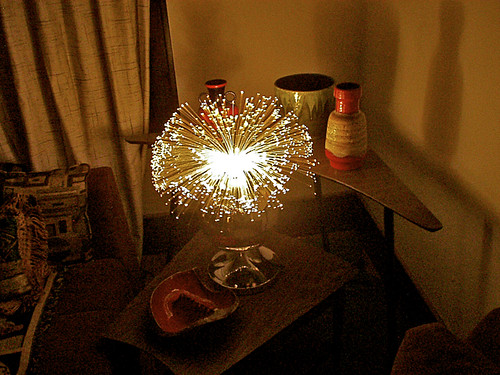
In the clip, a creator unboxes and assembles a vintage fiber optic lamp that has been in storage for 50 years. It is a simple premise, but it is exactly the kind of everyday moment that makes this corner of the internet so addictive to watch — real people, real finds, and real reactions, with no script beyond what actually happened.
The creator captioned the post simply, “This is the most gargantuan fibre optic lamp I’ve ever seen in my life, and its been in the box, nev…,” a line that gives a small window into how they were feeling as the moment unfolded. Whether it reads as excitement, disbelief, or a bit of dry humor, that caption has clearly struck a chord with viewers.
Since it went up on Instagram, the video has since pulled in 7.7M views, with comment sections filling up with viewers sharing their own memories, reactions, and questions about what exactly happened next. It is the kind of engagement that speaks to how universally relatable this sort of discovery can feel, even for people who have never picked up a similar item themselves.
Part of what makes the video work is that it does not try to be more than it is. @kristianfran simply shows what happened, lets the moment breathe, and trusts the audience to feel the same spark of curiosity and surprise that clearly came through in the filming. That straightforwardness is a big part of why this kind of content travels so well — there is no need for elaborate production when the discovery itself is compelling.
There is also something to be said for the timing of a video like this one. Viewers scrolling through their feeds tend to gravitate toward moments that feel unscripted and a little bit surprising, and this clip delivers exactly that in the span of a few seconds. It is easy to imagine why the comment section quickly filled up with people tagging friends, sharing similar stories of their own, or simply reacting to the moment as it unfolded on screen. That kind of organic sharing is often what separates a video that quietly comes and goes from one that keeps circulating long after it was first posted.
For an account with 13K followers, a response like this is a reminder of how quickly a single relatable moment can travel well beyond a creator’s usual audience. It also speaks to a broader appetite among viewers right now for content that feels grounded in everyday life rather than heavily produced or staged — the kind of video that could, in theory, happen to anyone, which is exactly what makes it worth watching in the first place. Algorithms tend to reward exactly this sort of authenticity, pushing a clip well past a creator’s usual reach once enough viewers stop, watch to the end, and choose to comment or share, and that snowball effect appears to be part of what happened here.
Watching the clip in full, it is easy to see why it resonated so widely. There is no narration overload, no forced drama — just the moment itself, a creator unboxes and assembles a vintage fiber optic lamp that has been in storage for 50 years, presented in a way that lets it speak for itself. That kind of restraint is rarer than it sounds in a feed full of content competing for attention, and it may be exactly why so many viewers stuck around long enough to watch the whole thing, comment, and pass it along to someone else who they knew would appreciate it too.
Why Vintage Gadgets Still Turn Heads
Vintage electronics occupy a strange and wonderful space in collecting culture, prized less for pure function and more for the specific look and feel of a bygone era of design. Items like fiber optic lamps, retro CD players, and other novelty electronics were often mass-produced but rarely built to last multiple decades, which means surviving examples in working condition can be genuinely hard to come by. Part of the appeal for collectors is aesthetic — these pieces carry a distinct design language that modern electronics, built for minimalism, simply do not replicate. Testing an old electronic item before assuming it works is always a smart first step, since components like bulbs, motors, and wiring can degrade significantly after years in storage. Collectors who specialize in this category often recommend researching a brand or model before buying, since some vintage electronics carry real collector demand while others were made in such volume that they remain common and inexpensive. There is also a growing appreciation for the tactile, imperfect charm of these older devices compared to sleek modern alternatives, which is part of why they photograph and film so well for a nostalgia-hungry audience. Whether or not an old gadget still works perfectly, there is something undeniably fun about plugging in a decades-old piece of technology and seeing whether it still has some life left in it.
You can watch the full video and follow @kristianfran on Instagram for more.

Leave a Reply