

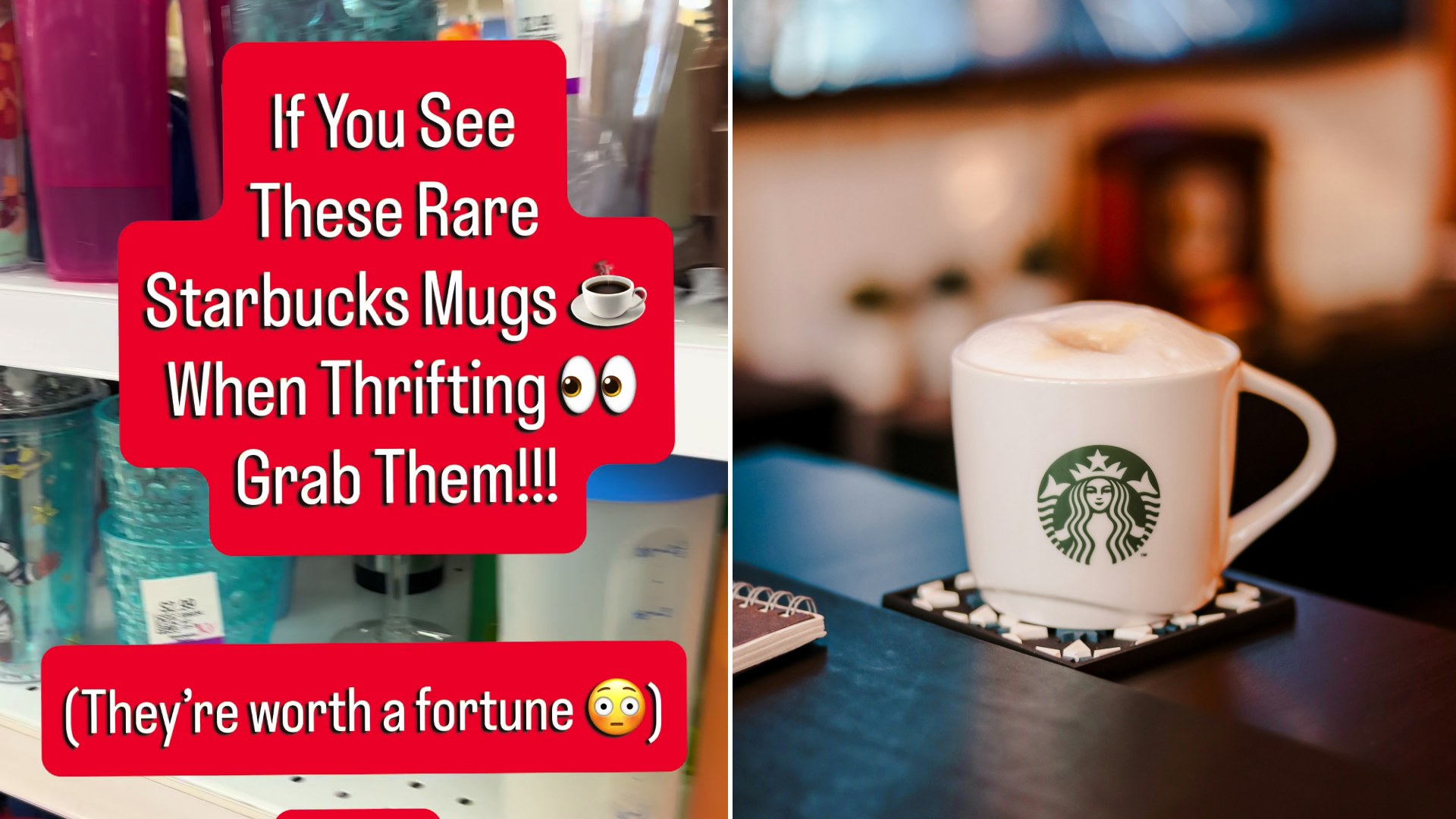
“Add these Starbucks mugs to your bolo list,” reseller @momsgotmoney tells her followers in a TikTok that has now hit 227,300 views, more than 64 times what her account typically earns. The video moves down a thrift store shelf of ordinary-looking coffee mugs, pausing on specific designs with resale price overlays stamped over each one. Her caption ends with a direct challenge to the audience: “Do you have any of these?” It’s a fair question, because a decent number of viewers almost certainly do, sitting in a cabinet at home mistaken for clutter instead of recognized as inventory.
A Collectible Category That’s Three Decades Deep
Starbucks has been giving collectors a reason to hunt down mugs since 1994, when the company introduced its City Mug Collector Series, a line of city-specific designs meant to work as souvenirs from international markets like London and Bangkok, according to LoveToKnow. Three decades of new designs, most of which were never reissued once their run ended, have quietly built one of the more accessible collectible categories out there. Nobody needs an auction house or a specialized dealer to start. A thrift store shelf, exactly like the one @momsgotmoney is filming her way down, works just as well.
What Actually Makes One Mug Worth More Than Another
Age helps, but it isn’t the whole story. Mugs tied to a specific international city tend to command higher prices than domestic designs, largely because fewer people had the opportunity to pick one up in person, per LoveToKnow. That scarcity adds up fast at the high end. A pristine Tokyo mug from the 2009 Global Icons Collector Series recently sold for around $650 on eBay, a genuinely startling number for an object that likely retailed for well under $20 when it was new. Condition matters just as much as origin. A mug that’s clearly been used for its intended purpose, chipped rim, coffee ring stains, faded print, sells for a fraction of what an identical mug in pristine, unused condition can pull.
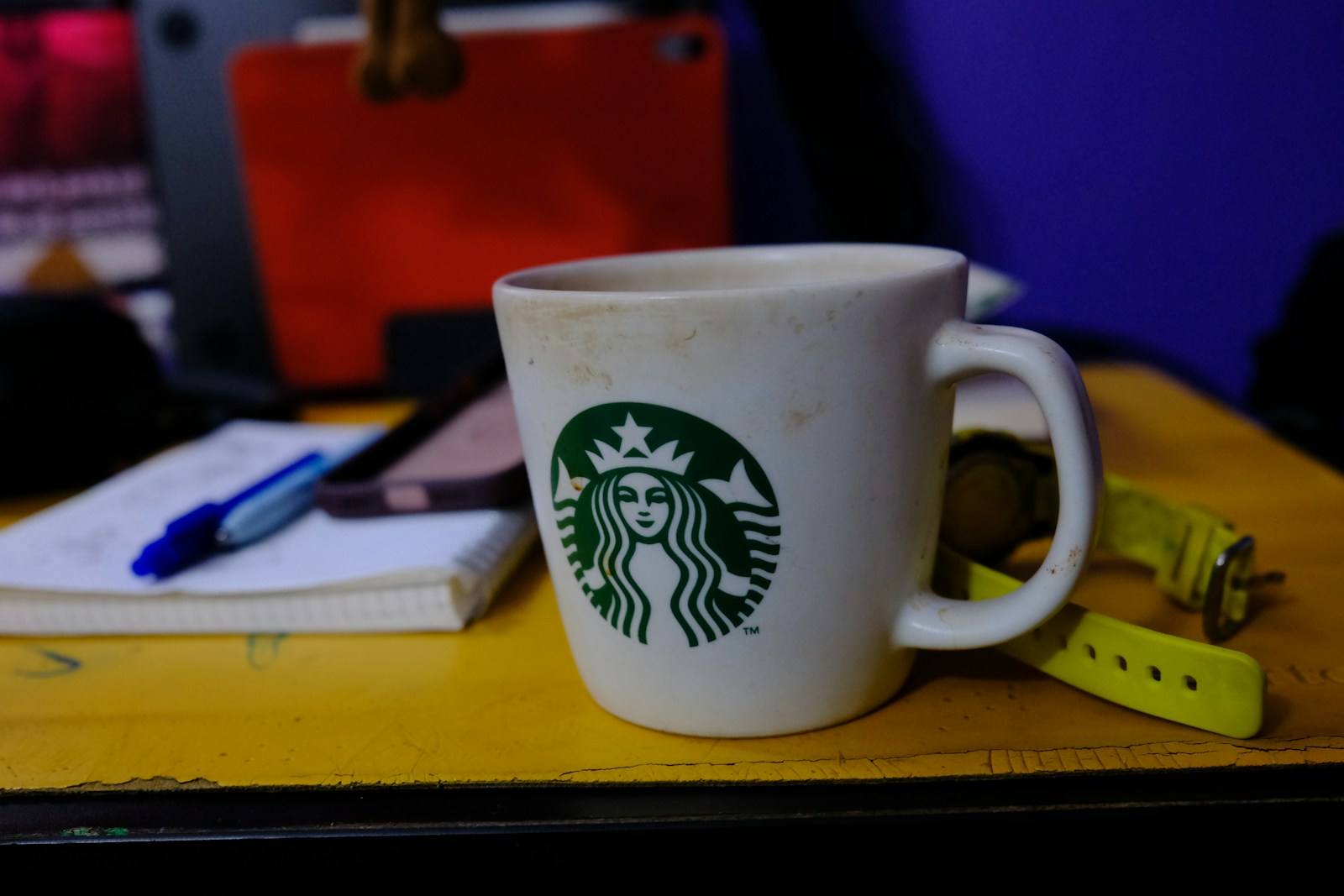
That combination, rare city, mint condition, is exactly what turns a thrift store bin into something worth digging through slowly instead of glancing at from a distance. Most mugs sitting on a shelf like the one in @momsgotmoney’s video are worth exactly what they look like: a couple of dollars, destined for someone’s everyday coffee rotation. It only takes one correctly identified city mug in good shape to make the whole shelf worth checking.
Knowing what to flip over matters here too. Serious collectors check the underside of a mug for the year and city printed into the glaze before assuming anything is worth setting aside, since Starbucks rarely repeated an exact design once a given year’s run sold out. A design that looks nearly identical to a wildly valuable listing can turn out to be a completely different, far more common year once someone actually checks the bottom, which is exactly the kind of detail a fast-moving video like @momsgotmoney’s is built to flag before a shopper wastes time on the wrong shelf.
There’s also a simpler, less dramatic layer to the appeal beyond the rare high-dollar listings. Even ordinary city mugs from the domestic line, if they’re the older ceramic style rather than a more recent reissue, tend to sell steadily online once a buyer confirms the year and design match what’s stamped on the bottom. That’s rarely a windfall on any single mug, but it adds up for a reseller pulling several off a shelf priced at thrift store rates in the first place. Volume, more than any single grail find, is what tends to make a category this common actually pay off.
Why “Bolo” Beats a Guessing Game
Reseller shorthand like “bolo,” short for “be on the lookout,” exists precisely because most thrifters don’t have thirty years of Starbucks mug releases memorized. A video like this one functions less like entertainment and more like a cheat sheet, condensing years of pattern recognition into a single scroll-length list anyone can screenshot and carry into the next thrift trip. That’s likely why it outperformed @momsgotmoney’s usual content by such a wide margin. It’s not a story about one lucky find. It’s a tool other people can actually use on their own next visit, which tends to travel a lot farther online than a single haul video ever does.

Leave a Reply