

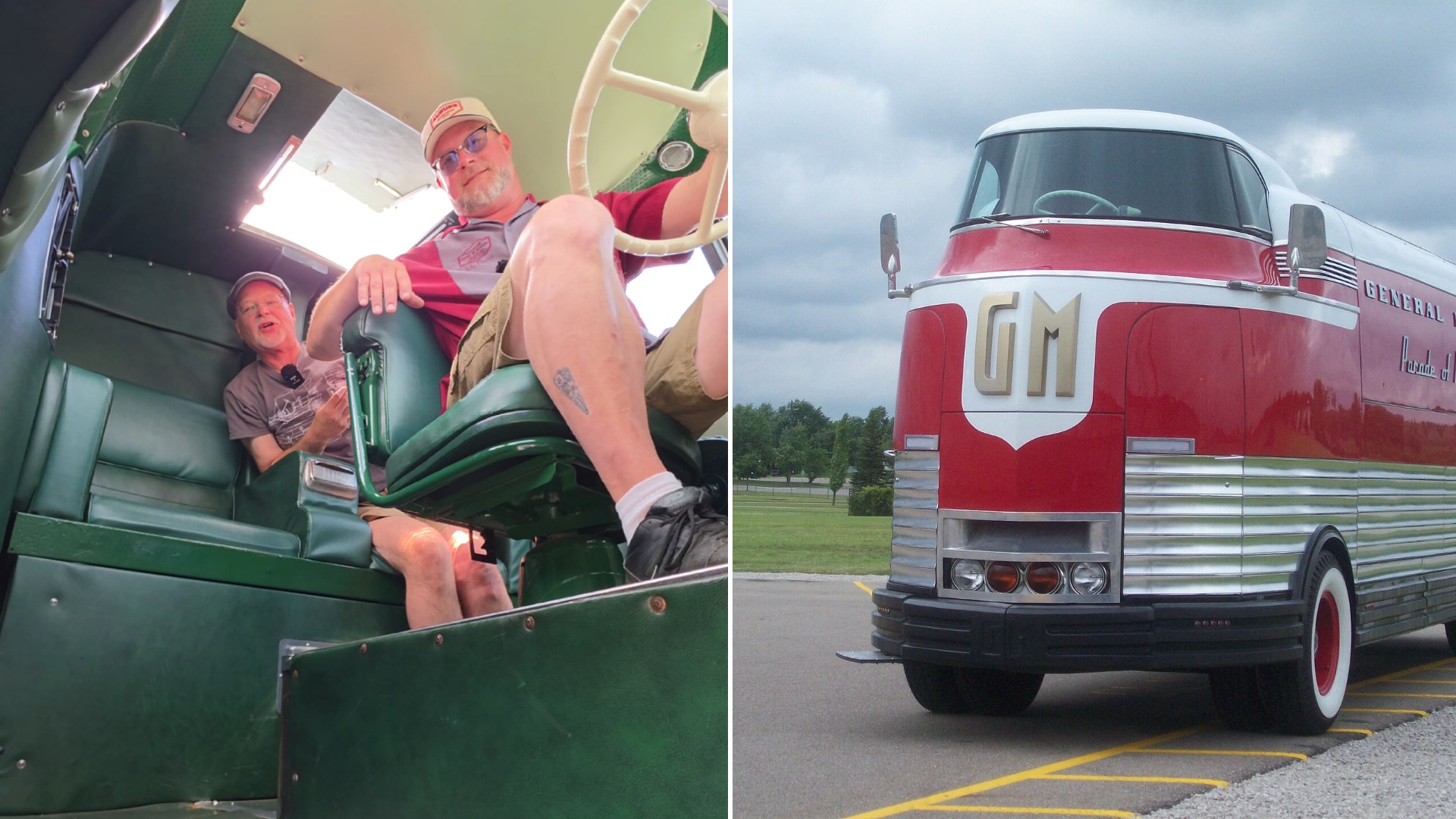
Two collectors climbed inside one of the surviving 1950s General Motors Futurliner buses and explained on camera why almost none of them are still around. The video has racked up more than 3 million views.
Creator @speedandshinetv filmed the ride-along at a car museum with a guest from Motor City Car Culture, touring the cockpit while breaking down the vehicle’s history.
Key Points
- The video takes viewers inside the cockpit of a surviving GM Futurliner parade bus alongside a guest from Motor City Car Culture.
- The pair discuss the vehicle’s rarity and history while touring it at a car museum.
- The clip reached 3.1 million views, more than 1,100 times the account’s typical median.
- The account has grown to nearly 17,000 followers on classic and rare vehicle content.
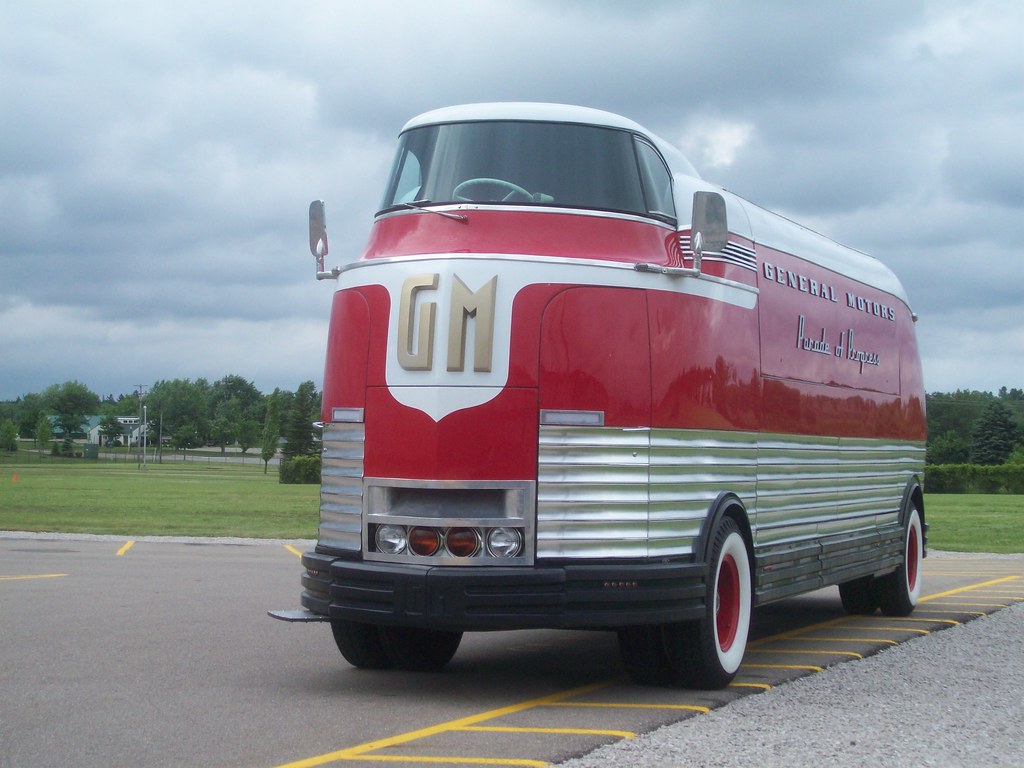
General Motors built 12 Futurliners on a bus assembly line in Pontiac, Michigan, and put the first ones on the road in 1941, according to GM’s own company newsroom. Each bus stretched 33 feet long and weighed 15 tons, with a driver perched in a glass-enclosed cockpit reached by a spiral staircase, plus 16-foot clamshell doors that swung open on each side to reveal the exhibits inside. They toured the country as a rolling science exhibit called the Parade of Progress, and in under a year, that second-generation tour alone drew more than 3 million visitors across 43 cities.
GM shut the program down for good in 1956, according to MotorCities National Heritage Area, largely because television let people see new car technology from their own living rooms instead. The company sold off the buses afterward, and they scattered into private hands doing everything from advertising for a construction company to standing as a billboard on a car lot. One Futurliner was destroyed in a 1956 accident, and historians now count only nine surviving examples out of the original 12.
That scarcity is exactly what makes a ride-along like this one land so hard with car fans. Climbing into a Futurliner means stepping into one of nine remaining pieces of a rolling museum that GM itself decided the world had outgrown.
Restored examples occasionally surface at car shows and museums, drawing crowds who’ve never seen one move, let alone ridden inside the cockpit. A pair of collectors casually touring one on camera, cracking jokes while explaining why almost none of its siblings survived, gives viewers a rare, ground-level look at a machine most people only ever encounter behind museum glass.

Leave a Reply