

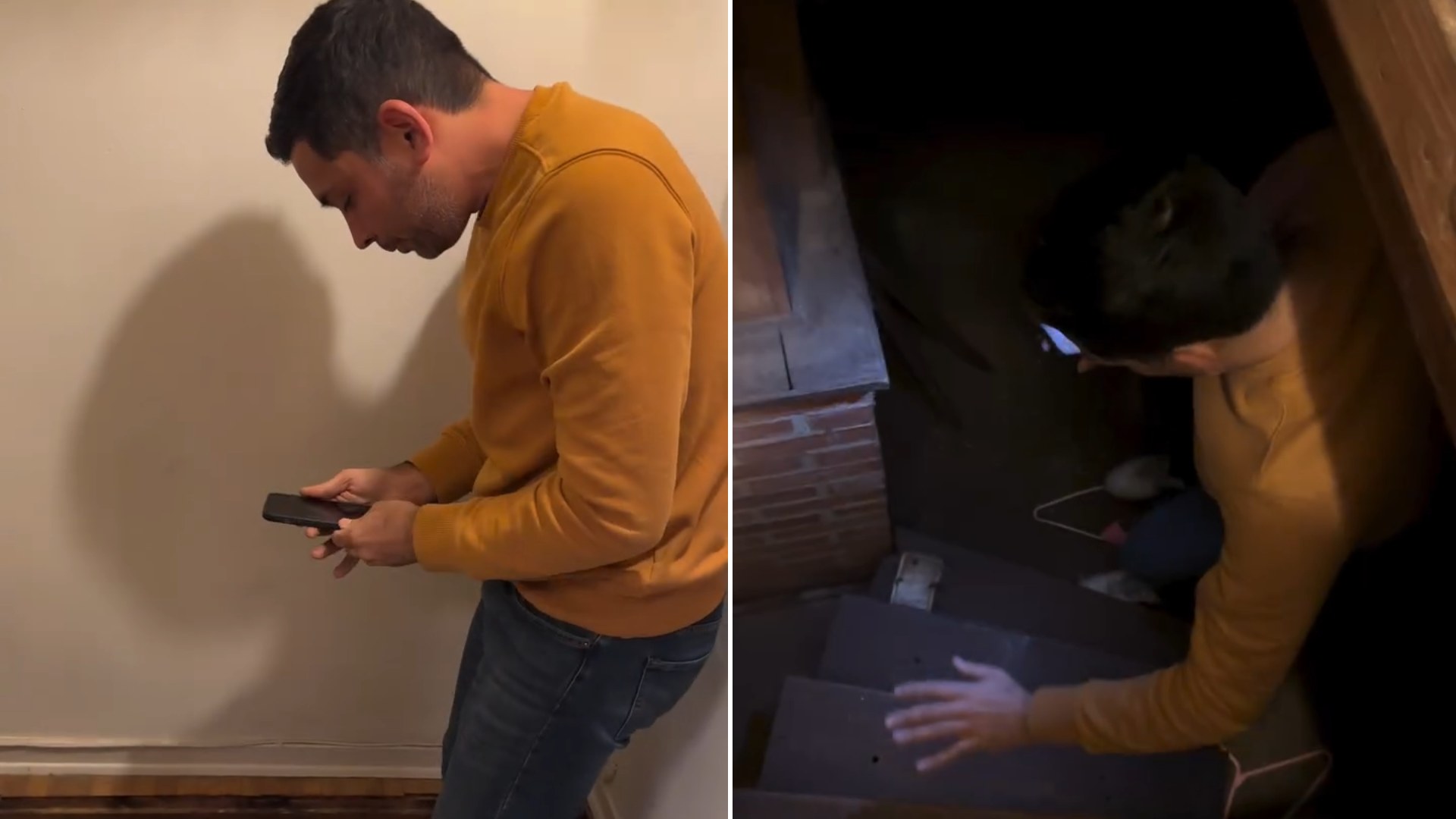
A homeowner opened a closet door in his 1930s Spanish-style California house and revealed a fully intact Prohibition-era speakeasy hidden behind it. The walkthrough has now been watched more than 4 million times.
Creator @characterhomesla, who documents historic Los Angeles homes, narrates the discovery himself, walking viewers through the bar and explaining what he knows about the house’s past.
Key Points
- The video shows a closet door opening to reveal a concealed Prohibition-era bar built into the 1930s Spanish-style home.
- The homeowner provides voiceover explaining the house’s history as he walks through the space.
- The reel drew about 4 million views, nearly 34 times his usual median for this account.
- His page focuses specifically on preserved and restored character homes around Los Angeles.
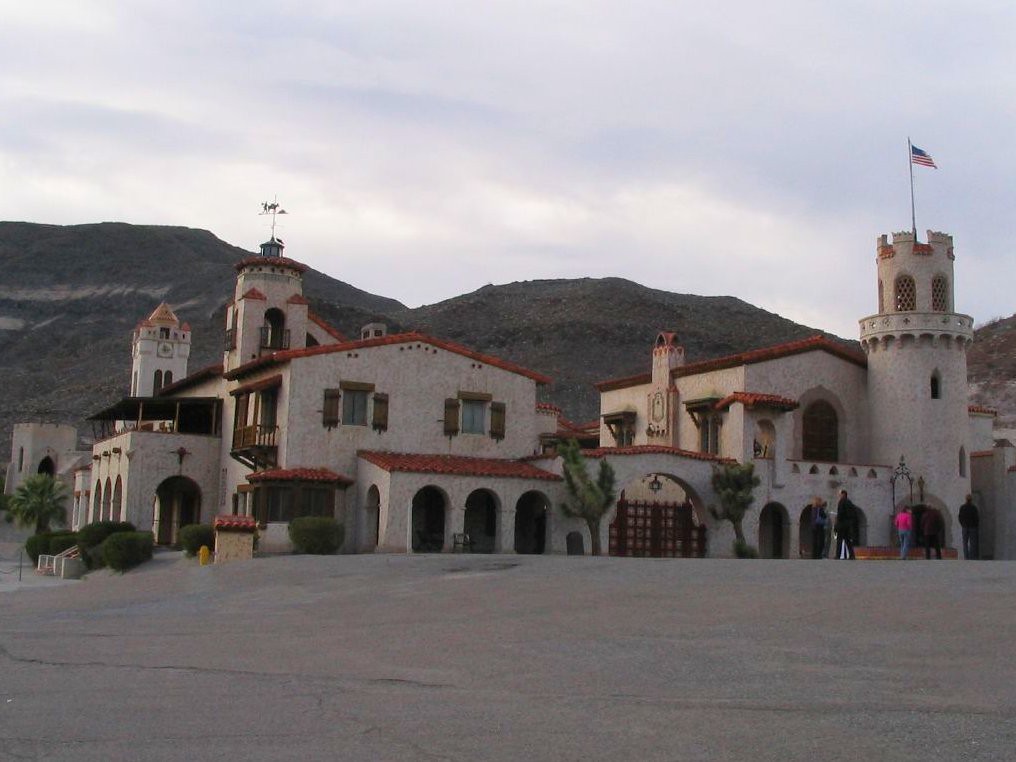
Hidden bars like this one weren’t rare accidents of design. Prohibition ran from January 1920 until the 21st Amendment repealed it in 1933, and during that stretch, according to the Mob Museum, New York City alone was home to an estimated 32,000 speakeasies at the movement’s peak. Concealment wasn’t optional back then. Owners built false walls, rigged disguised entrances, even wired mechanisms that could dump the evidence before a raid finished.
A 1930s Spanish-style build in California fits neatly into that architectural boom. Spanish Colonial Revival design was, according to Old House Online, the dominant residential style across California from the turn of the century through the 1930s, known for white stucco walls, red clay tile roofs, and interior courtyards built for indoor-outdoor living. A closet-door speakeasy suggests whoever built this particular house planned for the bar from the start instead of bolting it on later.
That’s part of what made the clip travel so fast. Old-house buyers dream about finding something like this behind a wall, and most never do. Watching it happen to someone else, in real time, scratches the same itch as opening a mystery box. Comment sections on posts like this one tend to fill up fast with people asking whether their own closets, cabinets, or crawl spaces might be hiding something similar.
Repeal came in December 1933, and plenty of these hidden bars simply stayed hidden afterward. Once a homeowner had gone to the trouble of building a secret room, there wasn’t always a reason to tear it back out just because the law had changed.
For fans of restored character homes, this is the payoff. A closet becomes a portal, and a house that already had good bones now has a genuine, documented secret to go with them.

Leave a Reply