

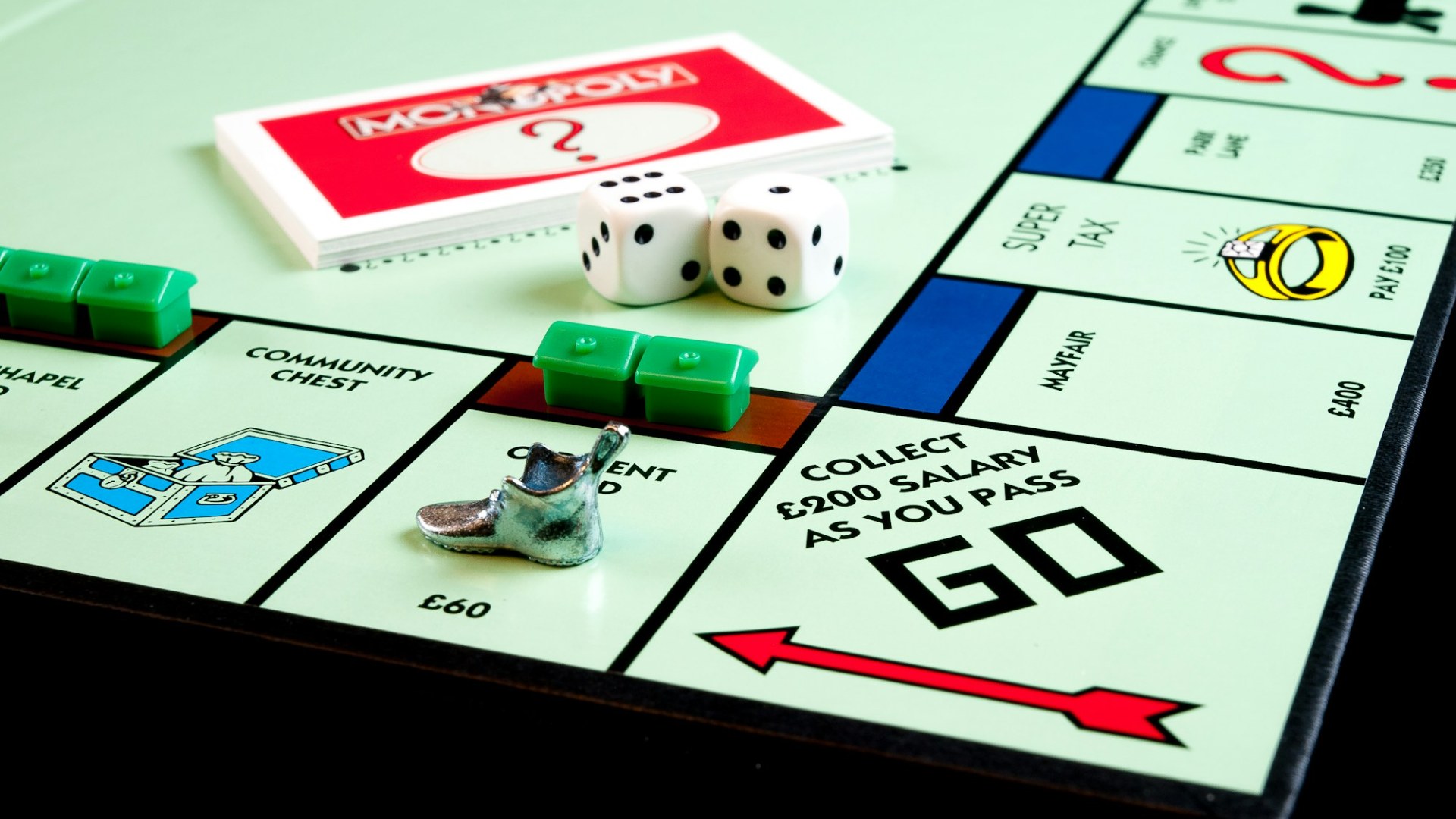
The most-played board game in American history was not invented by the man whose name appears on the earliest boxes. Decades before Charles Darrow ever sold his version to Parker Brothers, a woman named Lizzie Magie had already designed, built, and legally patented a nearly identical game, one built to criticize the exact behavior Monopoly now celebrates.
A Game Meant to Teach a Lesson
Elizabeth “Lizzie” Magie was a writer, inventor, and outspoken supporter of the single-tax economic theories of Henry George, who argued that concentrated land ownership was at the root of widespread poverty. Magie designed a board game specifically to illustrate that point, giving players two very different ways to play the same board: one ruleset rewarded cooperation and shared prosperity, while the other rewarded players for acquiring monopolies and driving opponents into bankruptcy. Her intent was for players to experience both outcomes and come away favoring the fairer system.
The Patent That Proves It
Magie was not just an informal game designer sketching rules on paper, she pursued and received formal protection for her creation. According to the official U.S. patent record for Patent 748,626, Magie filed for and was granted a patent on what she called The Landlord’s Game in 1904, years before Monopoly would exist under that name. The patent filing includes detailed board layouts and rule descriptions that bear an unmistakable resemblance to the Monopoly board later sold by Parker Brothers, right down to the general concept of properties, rents, and a path that loops back to its starting point.
The Game Spreads Without Her
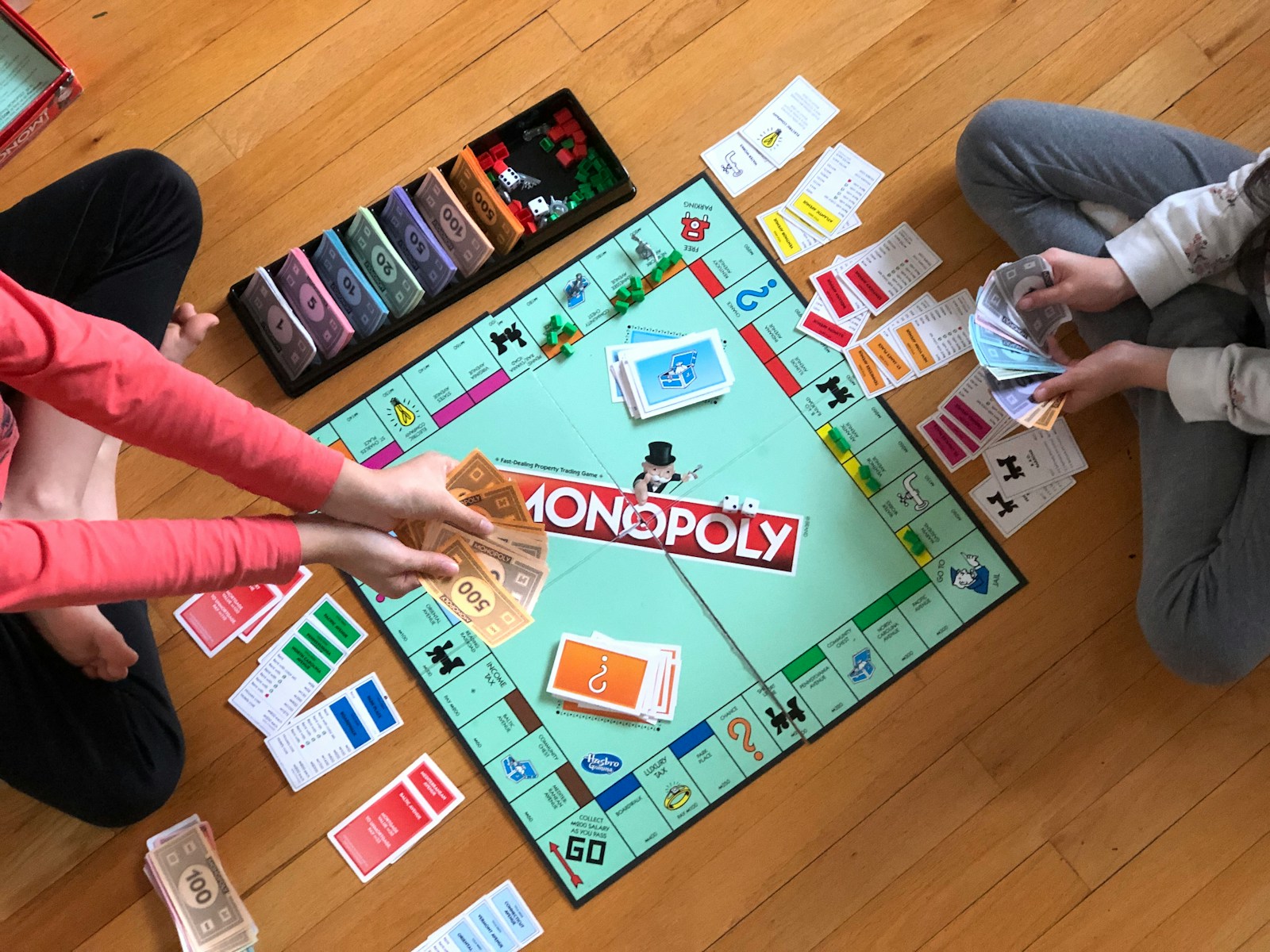
The Landlord’s Game did not stay contained to Magie’s own circle. It spread informally through academic and left-leaning social circles over the following decades, with players and hobbyists creating their own homemade versions, modifying rules, and passing the game along by word of mouth rather than through any official commercial channel. According to the National Women’s History Museum’s account of Magie’s story, those informal, hand-copied versions of the game eventually made their way into a social circle in Atlantic City, and later to a Philadelphia man named Charles Darrow.
Darrow’s Version and the Deal With Parker Brothers
Darrow learned the game from friends who were already playing homemade versions, added his own polish and Atlantic City-themed street names, and eventually approached Parker Brothers about publishing it as his own original creation in 1935. Parker Brothers agreed, and the game became an enormous commercial success under the Monopoly name. Only after the deal was well underway did the company learn the game was not entirely original, at which point Parker Brothers quietly purchased Magie’s original 1904 patent along with a couple of her other related game patents for a few thousand dollars, far less than the money Darrow ultimately made from licensing royalties.
Magie received essentially no ongoing royalties from the game’s massive commercial success, and for decades the company’s own official history credited Darrow alone as Monopoly’s sole inventor. Darrow was even celebrated publicly as a self-made millionaire whose lone stroke of inspiration had rescued Parker Brothers during the Great Depression, a version of events that made for a far tidier press narrative than acknowledging a patented invention the company had quietly bought out years earlier.
Why the Credit Took So Long to Correct
It took the work of historians and researchers digging back through patent records and old newspaper archives, long after both Magie and Darrow had died, to properly establish and popularize the fuller version of the story. Parker Brothers, and later Hasbro after it acquired the company, had little commercial incentive to complicate a tidy origin story once Monopoly had already become one of the best-selling games in the world. Only in more recent decades has Magie’s role become part of the standard telling of the game’s history rather than a footnote buried in patent archives.
What Survives of the Original Game
Magie kept working on game design and social reform ideas for the rest of her life, largely outside the spotlight, and she never saw significant financial benefit from a game that would eventually sell hundreds of millions of copies worldwide under a different name. Vintage board game collectors who track down early homemade or regional versions of The Landlord’s Game, produced before Parker Brothers ever standardized the Monopoly board, are essentially holding pieces of a decades-long chain of hand-copied, informally shared game boards that predates any official commercial release by more than thirty years.
An Ironic Legacy
There is a real irony sitting at the center of this story: a board game explicitly designed to warn people about the dangers of unchecked monopolies eventually got renamed, repackaged, and sold as pure entertainment under a name that celebrates exactly the behavior Magie was trying to criticize. Her original two-rule format, the fair version alongside the ruthless one, mostly disappeared from the commercial version entirely, leaving only the competitive, buy-everything-you-can half of her original design intact on store shelves today.

Leave a Reply