

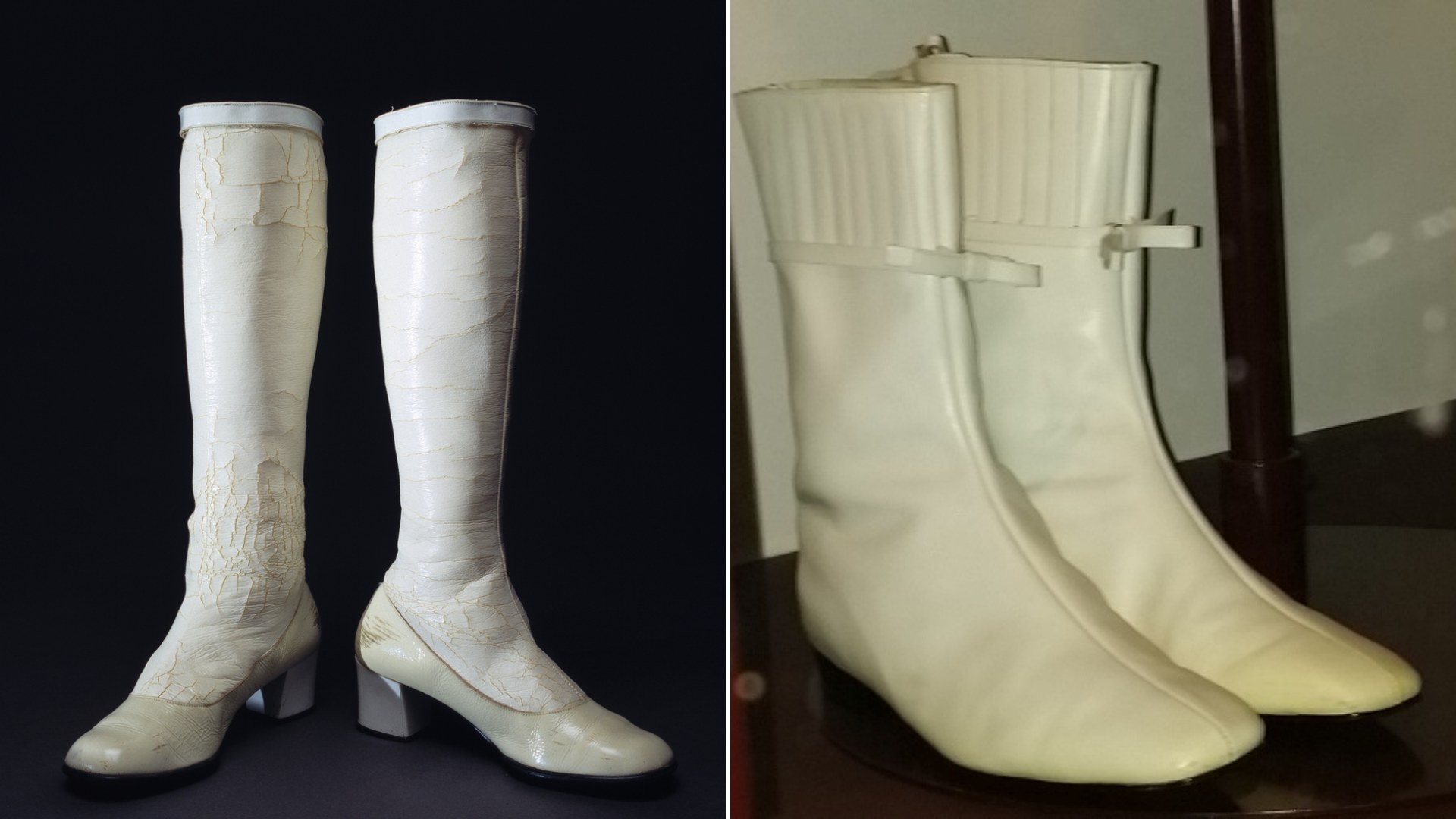
A pair of white boots doesn’t sound like the kind of thing that could unsettle anyone, yet when they first appeared on store shelves in the 1960s, they read as something close to a small act of rebellion. Six decades later, the same silhouette keeps working its way back into closets, and the reason has less to do with sentimental nostalgia than with what the boot was built to say in the first place.
A French Designer’s Space Age Gamble
French designer André Courrèges is widely credited with pushing the low white go-go boot into the mainstream as part of his 1964–65 “Space Age” collection, a body of work that paired severe geometric cuts with the era’s growing fascination with the future. Courrèges wasn’t simply designing footwear to match an outfit. He was building a full visual language around forward motion, precision, and a clean break from the fussier silhouettes that had dominated womenswear before him, as WWD’s retrospective on the designer’s Space Age influence lays out. The boot was short, flat or low-heeled, and stripped of ornament, a deliberate contrast to the delicate pumps that had defined ladylike dressing for a generation.
That contrast is exactly what made the style feel charged when it arrived. A woman in a knee-skimming skirt and flat white boots was signaling something different from a woman in heels and stockings, even if the difference was mostly aesthetic. The look read as youthful, mobile, and unbothered by the formality older fashion expected, which is part of why it landed as mildly provocative to more conservative eyes at the time, according to mainstream retrospectives tracing the style’s rise.
Nancy Sinatra Turned a Look Into an Anthem
If Courrèges gave the boot its design, pop culture gave it its permanence. Nancy Sinatra’s 1966 hit “These Boots Are Made for Walkin’” arrived at almost the exact moment the style was gaining traction, and the song did more than reference the trend in passing. Its swagger and its title turned the boots themselves into a symbol of confidence and independence, cementing an association between the footwear and a specific kind of assertive femininity that outlasted the song’s chart run by decades. A boot that started as a runway statement became, almost overnight, something closer to shorthand for attitude.
That pairing of high fashion and pop culture visibility is a large part of why the style never fully disappeared the way plenty of other 1960s trends eventually did. Most fashion moments fade once their moment on the runway passes. Go-go boots had a hit song working in their favor, embedding the look in music culture in a way a runway collection alone rarely achieves.
Why the Style Keeps Coming Back
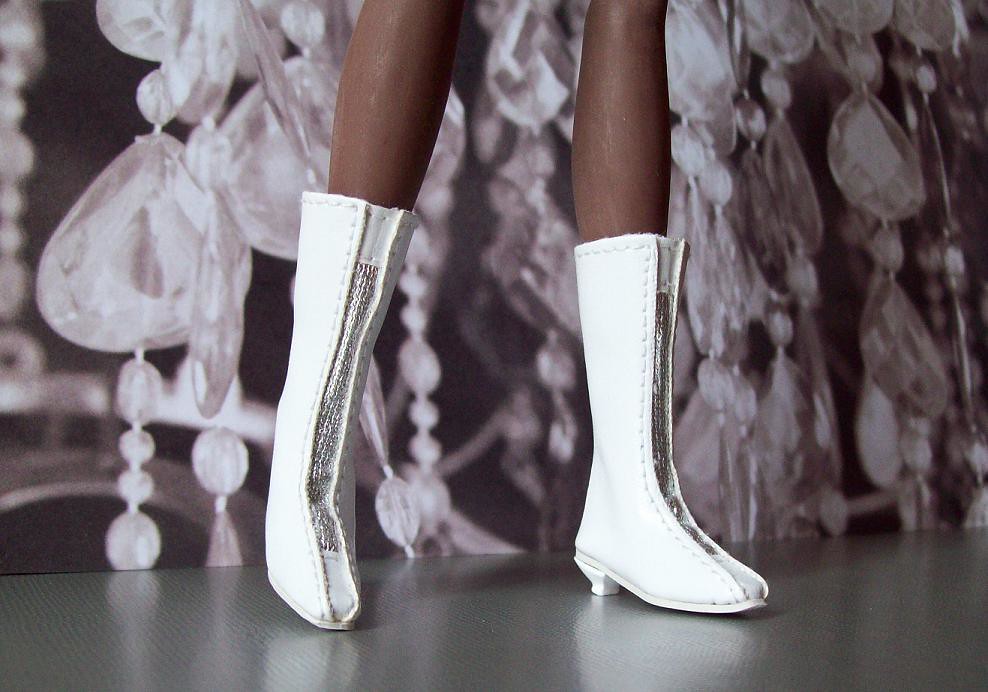
The boot’s repeated resurgence over the following decades tracks closely with moments when youth culture has leaned into visibility and self-assertion rather than blending in. Each time it resurfaces, designers and wearers alike tend to frame it less as a costume-y throwback and more as a statement borrowed from an era defined by boldness. That’s a meaningfully different kind of revival than simple nostalgia, which usually trades on comfort and familiarity. Go-go boots don’t read as cozy or sentimental. They read as a little confrontational, which is precisely what made them notable the first time around.
There’s also a practical element that keeps the silhouette adaptable across decades. A low, close-fitting boot pairs easily with an enormous range of hemlines and styles, from the mini skirts it was originally built for to modern tailored trousers or slip dresses. Unlike more era-specific pieces that only make sense with a full period-accurate outfit, go-go boots slot into contemporary wardrobes without much translation required, which lowers the barrier every time a new generation decides to bring them back.
More Than a Nostalgia Trip
None of this means today’s wearers are consciously channeling Courrèges or Nancy Sinatra when they reach for a pair. But the reason the silhouette keeps returning has more staying power than most trend cycles, precisely because it was never just about looking backward. It was about a specific kind of boldness that gets rediscovered every time a new generation wants footwear that says something rather than simply matches an outfit. Sixty years on, that’s still the boot’s real appeal, nostalgia or not.

Leave a Reply