

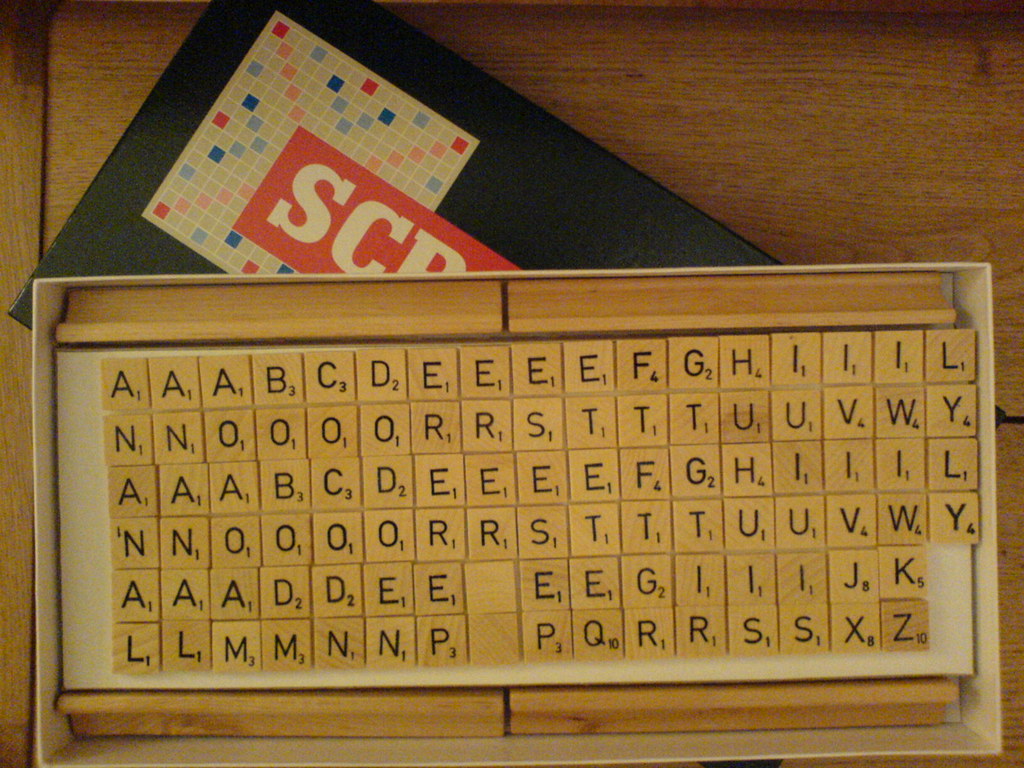
Chris Haney and Scott Abbott were not trying to invent anything the afternoon their idea for Trivial Pursuit came together. The two Canadian journalists, Haney a photo editor at the Montreal Gazette and Abbott a sports editor for the Canadian Press, sat down to play Scrabble at Haney’s home in December 1979 and discovered the set was missing pieces, a small annoyance that led to a much bigger conversation about how easy it might be to build a better game themselves.
A Cigarette Carton and Forty-Five Minutes
According to The Canadian Encyclopedia, Haney had noticed he owned six copies of Scrabble, replaced repeatedly because pieces kept going missing, and joked that the two of them should just make their own board game instead of buying another one. Abbott suggested building it around trivia, and the pair reportedly sketched the entire basic structure, including six question categories, on the back of a cigarette carton in about forty-five minutes on December 15, 1979, a version of the origin story corroborated by Wikipedia’s history of the game. What started as a joke about a broken Scrabble set turned into a fully formed concept before the two men even left the table.
Turning a napkin sketch into an actual product took real money and real help. Haney and Abbott brought in Chris’s brother John Haney, a former professional hockey player, along with corporate lawyer Ed Werner, to handle production logistics and business structure. The foursome raised roughly $40,000 by selling shares to 32 individual investors at $1,000 apiece, a financing method that let ordinary friends and acquaintances buy into what looked, at the time, like a fairly speculative bet on a board game.

Two Years of Questions Before a Single Sale
Writing roughly 6,000 trivia questions across six categories took close to two years, and the team secured wholesale orders before mass production even began, a risky sequencing that could have bankrupted all four of them if retailers had lost interest. Trivial Pursuit officially launched in Canada in 1981, and initial sales were modest, with around 100,000 copies sold domestically by the end of 1982. The game crossed into the United States shortly after, and momentum built quickly once American retailers picked it up.
By the middle of the 1980s, Trivial Pursuit had become one of the defining cultural objects of the decade. Sales climbed past 20 million copies by the mid-1980s, and total worldwide sales eventually topped 100 million copies across dozens of countries, generating well over a billion dollars in revenue over the game’s lifespan. Chris Haney and Scott Abbott, who had scraped together a small pool of investor cash just a few years earlier, both became millionaires almost overnight as demand outpaced what their manufacturing partners could produce.
Six Wedges, One Board, Endless Editions
Part of what made the game so easy to fall into was how little it asked of new players. The board itself was simple, a wheel of six colored categories that players moved around while collecting little plastic wedges for each subject they answered correctly, and nothing about the format required players to already know each other’s trivia interests the way a lot of party games did. That simplicity turned out to be endlessly reusable. Selchow and Righter picked up distribution in the United States, and licensed spinoffs eventually covered everything from specific decades of pop culture to individual television shows, letting the same basic wedge-and-wheel structure get repackaged for new audiences again and again without ever needing a redesign.
A Trivia Empire Built on a Broken Board Game
Trivial Pursuit helped cement trivia as mainstream living room entertainment well before trivia nights and quiz apps existed, and its success created an entire secondary industry of question-writers, editors, and licensing deals that Haney and Abbott never could have managed with just four partners and a stack of index cards. Hasbro eventually purchased full rights to the franchise in 2008 for roughly $80 million, decades after the two journalists first joked about their incomplete Scrabble set. The whole empire traces back to a small, mundane frustration that most people would have solved simply by buying a replacement game, rather than building an entirely new one from scratch at a kitchen table in Montreal.

Leave a Reply