

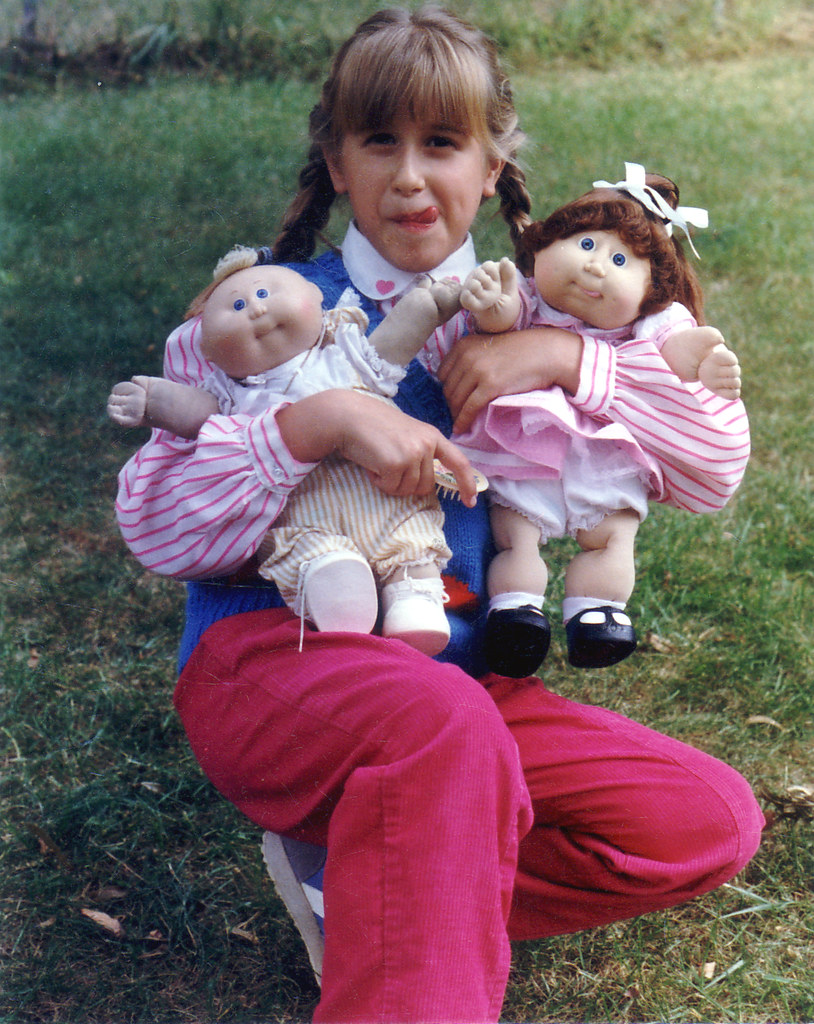
Before Black Friday doorbusters, before Tickle Me Elmo, before anyone ever camped outside a store overnight for a game console, there was the 1983 Cabbage Patch Kids panic, a genuine holiday shopping frenzy that turned toy aisles into places where reasonable adults punched, clawed, and shoved past one another over a soft bodied doll with yarn hair and an adoption certificate.
How a Toy Company Created a Perfect Storm
Cabbage Patch Kids started as soft sculpture dolls designed by an artist named Xavier Roberts, hand stitched with fabric faces so each one looked slightly different from the next. When Coleco licensed the design and began mass producing them in 1983, the company kept the adoption certificate concept intact, meaning every doll technically came with its own name and paperwork. That single detail turned an ordinary holiday toy into something that felt personal, collectible, and impossible to swap out once a kid had their heart set on a specific look.
Coleco underestimated demand badly, and shipments could not keep pace with how fast the dolls were selling once word spread. Retail price sat around twenty one dollars, which was reasonable for the era, but stores were receiving far fewer dolls than parents wanted to buy, and that shortage is what turned an ordinary holiday rush into something closer to a mob scene.
The Emotional Hook Behind the Adoption Angle
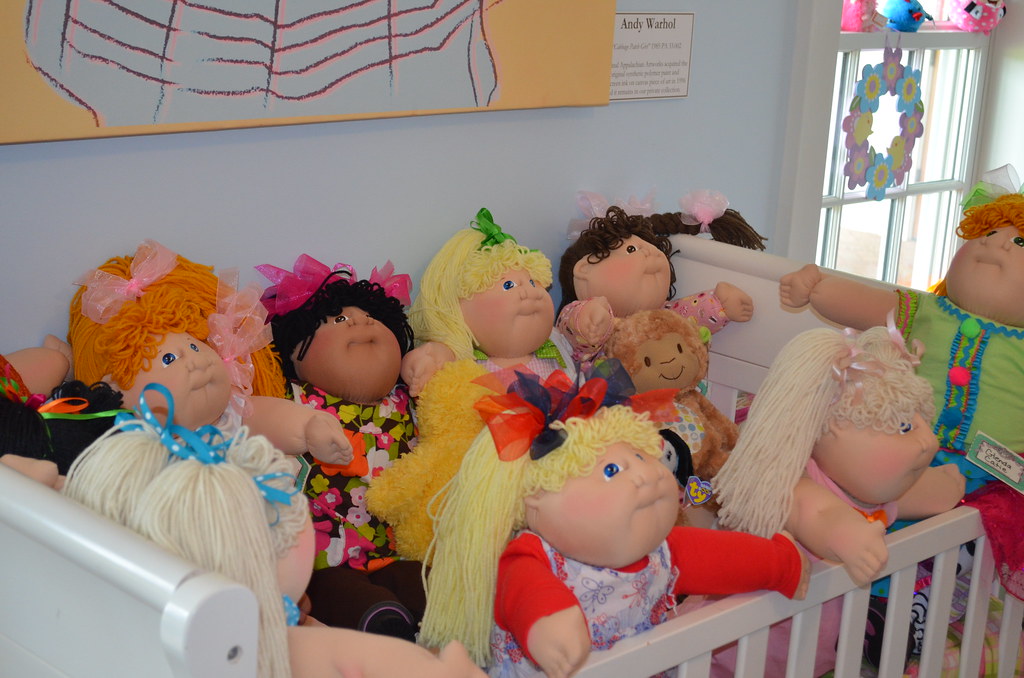
Part of what made the frenzy so intense was how personal the marketing made each doll feel. Every Cabbage Patch Kid came with its own name printed on an adoption certificate, and kids latched onto the idea that they were not simply buying a toy but adopting a specific character who could never quite be replaced by a different box off the shelf. That emotional framing turned an ordinary holiday want into something closer to a specific, non negotiable request, which made the shortage feel far more urgent to parents trying to deliver on it.
Chaos on the Sales Floor
According to reporting from ABC7 New York, the scramble got physical in stores across the country. At a Zayre location in Wilkes-Barre, Pennsylvania, boxes of dolls were reportedly flung around the sales floor as shoppers fought over them, and the store manager armed himself with a baseball bat just to keep order, telling reporters at the time that his own safety felt genuinely at risk. A nearby New York area Toys R Us reportedly sold through its entire stock within minutes of restocking.
A Black Market Formed Almost Overnight
Where legitimate stock ran out, resellers stepped in almost immediately. FOX13 Seattle’s retrospective on the frenzy points to secondary markets like the Rowe-Manse Emporium in Clifton, New Jersey, where dolls that retailed for twenty one dollars were changing hands for fifty, with resellers reportedly buying from desperate parents at forty dollars a doll and flipping them for an easy profit. Parents who normally would never consider paying triple retail for a toy justified it anyway, with one shopper telling reporters it beat burning thirty dollars in gas driving from store to store hunting for the real thing.
Why This Case Study Still Gets Taught
What makes the Cabbage Patch panic more than a quirky holiday anecdote is how cleanly it maps onto scarcity marketing that companies still lean on decades later. Mental Floss’s look back at the craze notes how the combination of a strong emotional hook, the illusion of individuality baked into each doll, and a supply shortfall that was at least partly out of Coleco’s control created ideal conditions for panic buying. Later toy shortages, from Tickle Me Elmo to certain Beanie Baby releases, echoed pieces of the same formula, but none of them quite matched the raw physical chaos that broke out in stores in November 1983.
Eventually the frenzy cooled the way these things always do, as new toys captured the moment and Cabbage Patch Kids settled into being a beloved holiday staple rather than a contact sport. What lingers is the lesson retailers and marketers took from it, that scarcity paired with emotional attachment can turn ordinary shoppers into something close to a stampede, a dynamic that shows up again every holiday season in one form or another. Forty years on, the footage of grown adults wrestling over a soft bodied doll still gets pulled out every holiday season as a reminder of how quickly a beloved toy can turn a calm store aisle into total chaos.

Leave a Reply