

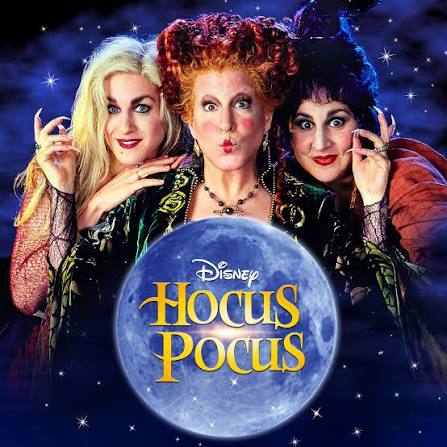
Hocus Pocus opened in theaters on July 16, 1993, a strange midsummer release date for a movie about three witches resurrected on Halloween night. Critics mostly shrugged, ticket sales limped, and Disney quietly moved on to other things. Decades later the film is a seasonal fixture that generations of viewers can quote line for line, and almost none of that turnaround happened at the box office.
A Rough Opening for the Sanderson Sisters
Directed by Kenny Ortega and starring Bette Midler, Sarah Jessica Parker, and Kathy Najimy as the Sanderson sisters, Hocus Pocus carried a production budget of roughly $28 million, according to details compiled on its Wikipedia production page. It opened to about $8 million in its first weekend and finished its theatrical run with a domestic total around $53.2 million, a number that sounds respectable in isolation but left Disney short once marketing and distribution costs were factored in, reportedly losing the studio close to $16.5 million overall.
Reviews were unkind. Roger Ebert famously handed the film one star, describing it as, in his words, “a confusing cauldron in which there is great activity but little progress.” Audiences who did show up liked it well enough, giving it a respectable B+ CinemaScore, but that goodwill was not enough to overcome an off-season release date and a marketing campaign that never quite figured out who the movie was for. A summer comedy about Halloween witches was, on paper, a tough sell to anyone.
Saved by the Rerun Schedule
The film’s second life began almost by accident, tied to a corporate deal rather than any deliberate rebranding. When Disney acquired ABC and its cable holdings in the late 1990s, the company suddenly needed a steady supply of family-friendly programming to fill October schedules on Disney Channel and, later, Freeform’s annual “31 Nights of Halloween” block. Hocus Pocus fit the slot perfectly: spooky enough for the season, tame enough for children, and already sitting in Disney’s own library at no extra licensing cost.
Years of near-constant October airings did what the original theatrical release never managed, turning a one-time disappointment into appointment viewing for an entire generation who grew up catching it on cable rather than in a theater. Reporting from NBC News describes the shift as a kind of cultural osmosis, where sheer repetition rather than critical rehabilitation is what built the fanbase. By its 25th anniversary in 2018, Freeform’s first week of airings was pulling in an average of 8.2 million viewers, a figure that would have been remarkable for a brand-new release, let alone a movie originally written off as a miss.
From Cable Filler to Franchise
The rerun-driven fandom eventually spilled over into measurable sales. Every October, Hocus Pocus home video and DVD purchases reportedly spiked enough to generate more than a million dollars in sales during that single month alone, an unusual pattern for a catalog title nearly three decades old. Its arrival on Disney+ only widened the audience further, making it available on demand rather than only during scheduled cable blocks, and cementing its status as one of the platform’s most reliably streamed October titles.
That slow-building fandom eventually convinced Disney the property was worth revisiting properly. Hocus Pocus 2 arrived on the streaming service in 2022, nearly thirty years after the original stumbled at the box office, bringing Midler, Parker, and Najimy back for a sequel that would have seemed unthinkable to anyone reading the film’s original reviews. Few movies get a second chance at relevance handed to them purely by a cable programming schedule, but for three witches who bombed in July, October reruns turned out to be exactly the kind of magic they needed.
Why the Timing Mattered So Much
Part of what makes the Hocus Pocus turnaround interesting is how ordinary the original release actually was for its era. Family comedies with a light horror edge were common enough in the early 1990s, and Disney had no particular reason to expect this one would either flop or become a phenomenon. It simply arrived at the wrong point on the calendar, competing against summer blockbusters rather than seasonal counterprogramming, and got treated by critics and casual audiences alike as a minor curiosity rather than a future tradition.
What changed everything was patience nobody planned for. No studio executive scheduled a decade of reruns anticipating a cult following, and no marketing team engineered the eventual midnight screenings, costume parties, and quote-along fan events that now surround the film every autumn. The Sanderson sisters simply kept showing up on television at the one time of year when audiences were primed to want exactly what they were selling, and eventually enough people noticed to make the studio’s old math look wrong in hindsight. A film that once symbolized a summer misfire now anchors an entire October viewing ritual, proof that a bad opening weekend is not always the last word on how a movie ends up being remembered.

Leave a Reply