

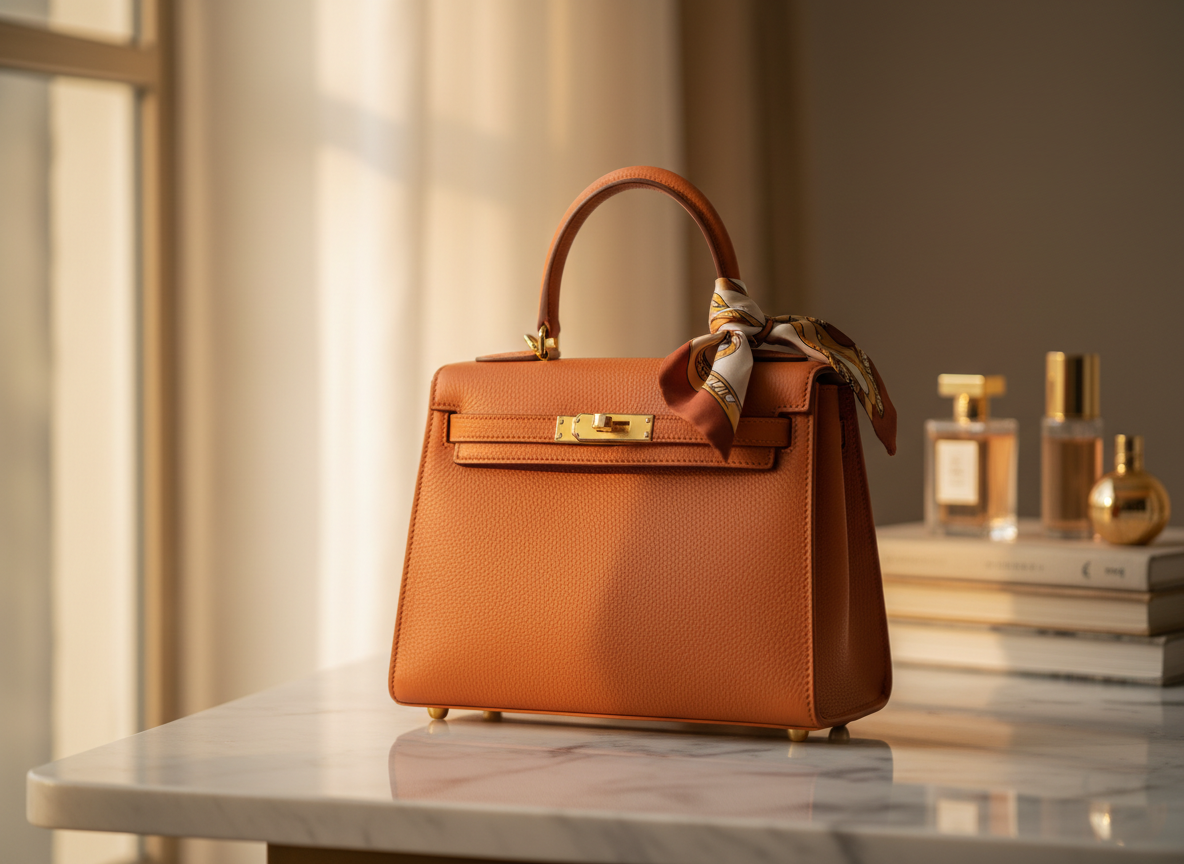
A Birkin bag bought at retail a decade ago is now worth, on average, 92 percent more than what its original owner paid for it, according to resale platform Rebag’s data cited in a 2025 report on the Hermes secondary market. For the rarest color, leather, and hardware combinations, the gap runs well past that average, with pristine examples changing hands for at or beyond double their original price tag.
A Bag That Was Never Supposed to Be Easy to Buy
Hermes has never sold Birkin or Kelly bags the way most luxury brands sell their signature pieces. Both models are famously withheld from open retail purchase; a customer typically needs an established buying history with the brand before a sales associate will even offer one, and the bags are not displayed for pick-and-choose selection the way a wallet or scarf would be. That scarcity is manufactured deliberately, and it’s the entire reason a secondary market for the bags exists at the scale it does.
What the Resale Data Actually Shows
Rebag’s findings, as detailed in that 2025 report on the brand’s resale market, put the average value gain for Birkin and Kelly bags at 92 percent over the past ten years, a figure built from the platform’s own transaction and appraisal data rather than a single high-profile auction result. That average already outpaces most conventional investment benchmarks over the same window, and it covers ordinary, non-exotic bags, not just the ultra-rare skins and hardware combinations that tend to dominate headlines.
The Secondary Market Is Bigger Than It Looks
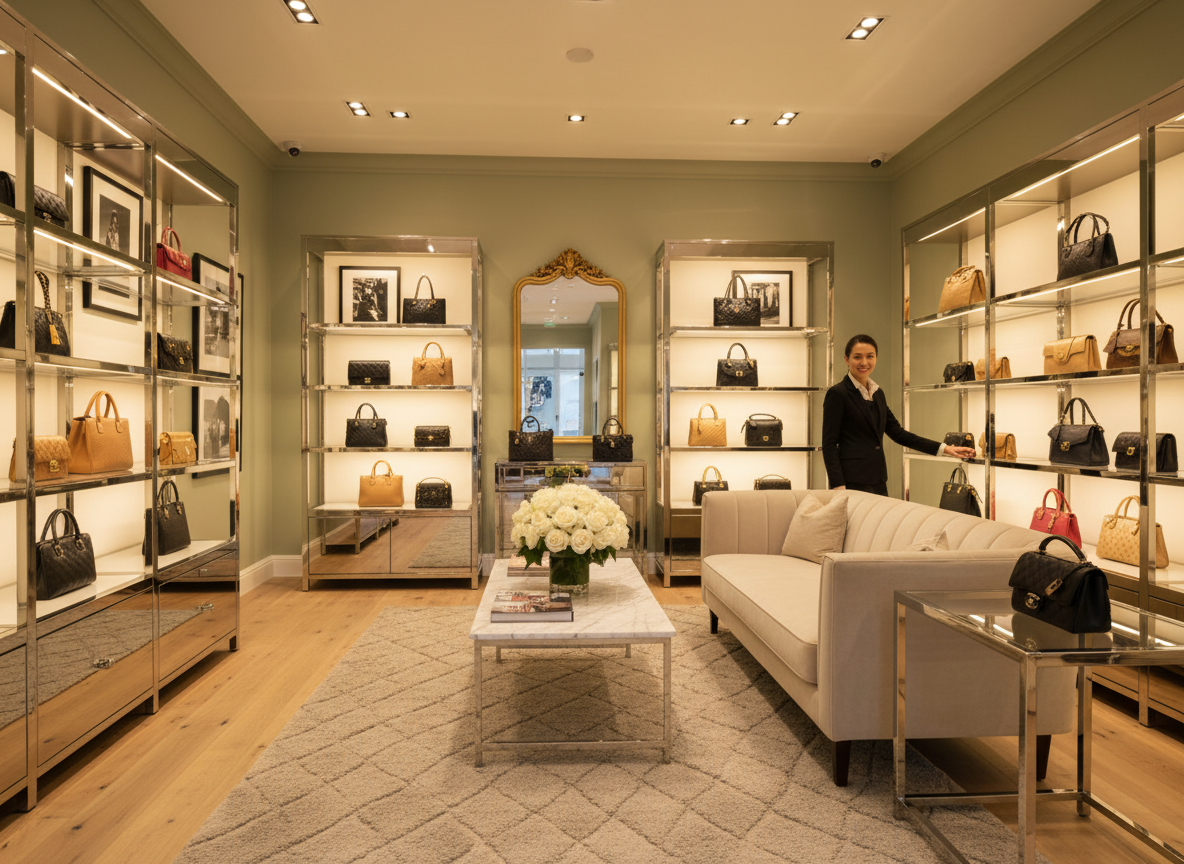
The scale of the resale ecosystem built around these two bags is easy to underestimate from the outside. Reporting from The New York Times found that more than one million Birkin bags were already circulating on the secondary market as of 2019, supporting a network of dedicated resale boutiques, authenticators, and consignment specialists that didn’t exist in anything like this form a generation ago. One Miami resale boutique alone reported selling more than $60 million worth of used Birkin bags over five years, a volume that would have been unthinkable for a single handbag model before Hermes’s scarcity strategy turned ordinary retail purchases into appreciating assets.
Two Bags, One Waiting List
The Kelly bag predates the Birkin by roughly three decades, originally designed by Hermes in the 1930s and renamed in the 1950s after Grace Kelly was photographed using one to shield her pregnancy from paparazzi. The Birkin’s own documented origin story has it arriving in 1984, after Hermes executive Jean-Louis Dumas sat next to actress and singer Jane Birkin on a flight and sketched out a bag to fix her complaint that her weekend bag kept spilling open. Both models have since converged on the same purchasing reality: neither is something a shopper can simply walk in and buy on request, and that shared scarcity is what links their resale performance today.
Why Scarcity Beats Depreciation
Almost everything else in a closet loses value the moment it leaves the store. Birkin and Kelly bags behave differently because Hermes controls production volume tightly enough that demand consistently outpaces supply, and because the brand rarely discounts, runs sales, or lets inventory sit. A shopper who can’t get an appointment to buy a bag at retail has exactly one other option: pay a premium on the resale market, where a pristine bag in a desirable color and leather can command a price closer to what it would cost brand-new today than what it originally sold for years ago, before demand and years of limited production compounded.
Retail Price Versus What Buyers Actually Pay
Entry-level Birkins started around $11,400 in 2020, with prices climbing well past $100,000 for exotic skins, gold hardware, or diamond detailing at the high end. Those retail numbers matter less than they would for almost any other handbag brand, precisely because so few buyers can walk in and pay them directly. The resale price is, for most people who want one of these bags, the only real price that exists.
A Bag That Behaves Like an Asset Because It Was Built to
None of this is an accident of fashion cycles the way a trendy It-bag’s resale value might spike and crash within a season. Hermes’s restricted distribution created the scarcity, scarcity created the premium, and a decade of data now backs up what secondhand luxury dealers have argued for years: a handbag can, under the right conditions, behave less like a fashion purchase and more like a hard asset.

Leave a Reply