

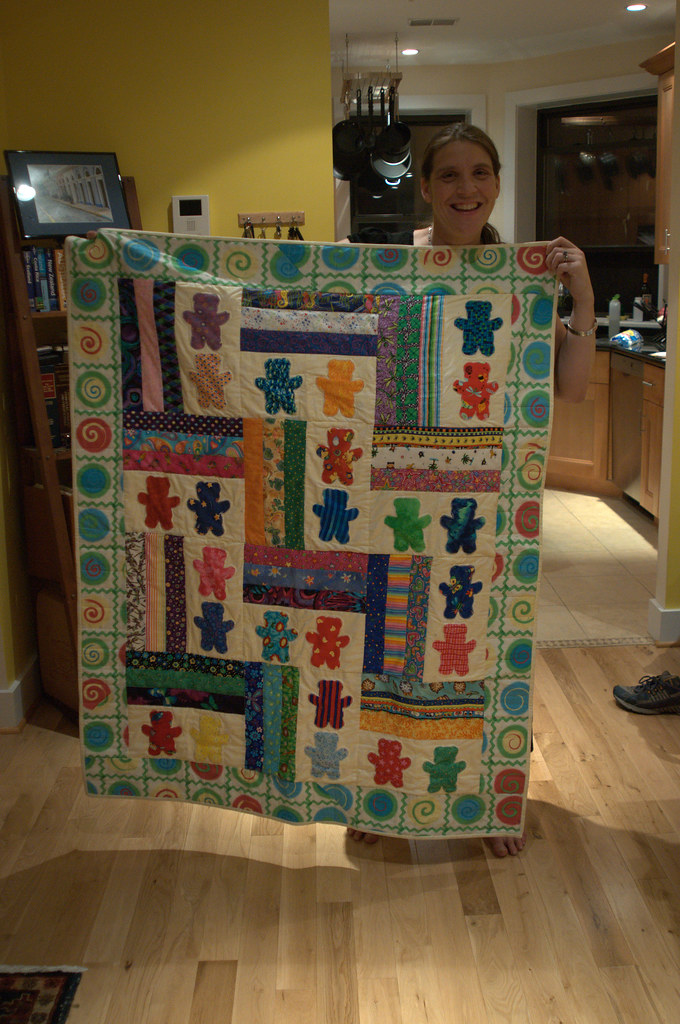
Sixty-one quilts hung on the walls of the Whitney Museum of American Art in July 1971, part of an exhibition called “Abstract Design in American Quilts” that ran long enough to sell out its own catalog and get extended by several weeks. Curators Jonathan Holstein and Gail van der Hoof had argued the pieces held “aesthetic distinction with parallels to the modern art the Whitney normally showed,” a claim that struck plenty of people as a stretch for objects most Americans still associated with a closet shelf. More than fifty years later, the same argument is resurfacing in museum galleries and design coverage alike, as quilts and embroidered textiles that spent decades folded away come back out and get hung on walls again, this time on purpose.
The Exhibition That Changed the Argument
The Whitney show didn’t just draw a crowd. It reframed the entire premise of what counted as fine art. New York Times critic Hilton Kramer praised the quilts’ “visual resonance with modern abstract painting” at the time, and wrote that anonymous American quiltmakers had anticipated forms later celebrated when European painters developed abstraction decades afterward, according to the exhibition’s own retrospective account from the International Quilt Museum. The New Yorker went further, predicting quilts “may become a great work of abstract design when…hung on an enormous white wall,” a line that reads almost literally as instructions for what museums and homeowners are doing with them today.
A Craft With Its Own Long, Complicated History
Quilting in America was never a single, uniform tradition, and part of its current recognition as art involves correcting who got credit for it in the first place. The quilters of Gee’s Bend, Alabama, developed brightly colored, improvisational geometric designs out of necessity, repurposing clothing and feed sacks across generations of a small, isolated Black community, work that the Whitney Museum later mounted as its own dedicated exhibition decades after the original 1971 show. What had once been described in craft terms, as “survival” sewing done with whatever fabric was available, is now displayed and discussed with the same critical vocabulary applied to painting and sculpture.
From Museum Walls to Living Rooms
The Metropolitan Museum’s Costume Institute picked up a related thread more recently, including quilted pieces among the works featured in its exhibition “In America: A Lexicon of Fashion.” Designer Tristan Detwiler, who built a garment from a 19th-century quilt for the show, described his process to CNN as centered on the textile’s personal history: “The energy of family and generations and history in that obviously activates emotion.” Assistant curator Amanda Garfinkel, quoted in the same report, said visitors “respond emotionally” to quilted work because of “the personal and historical narratives they carry,” while quilt artist Michael C. Thorpe put it more bluntly, noting that “quilting makes people feel. It’s like this knee-jerk reaction of familial ties.”
Why Interior Designers Are Hanging Them Now
That emotional weight is exactly what residential designers say they’re chasing when they pull a family quilt out of storage and mount it like a painting instead of folding it at the foot of a bed. Interior designer Kristina Khersonsky of Studio Keeta told Homes & Gardens that wall tapestries and textile pieces appeal to her because “they carry a sense of history and craftsmanship, but they can also feel surprisingly modern with the right context.” The same piece frames patchwork quilts as a form of “time-honored American craftsmanship” now being layered into otherwise contemporary rooms, alongside embroidered linens valued specifically because their handwork is difficult to replicate with any machine available today.
Handwork a Machine Still Can’t Fake
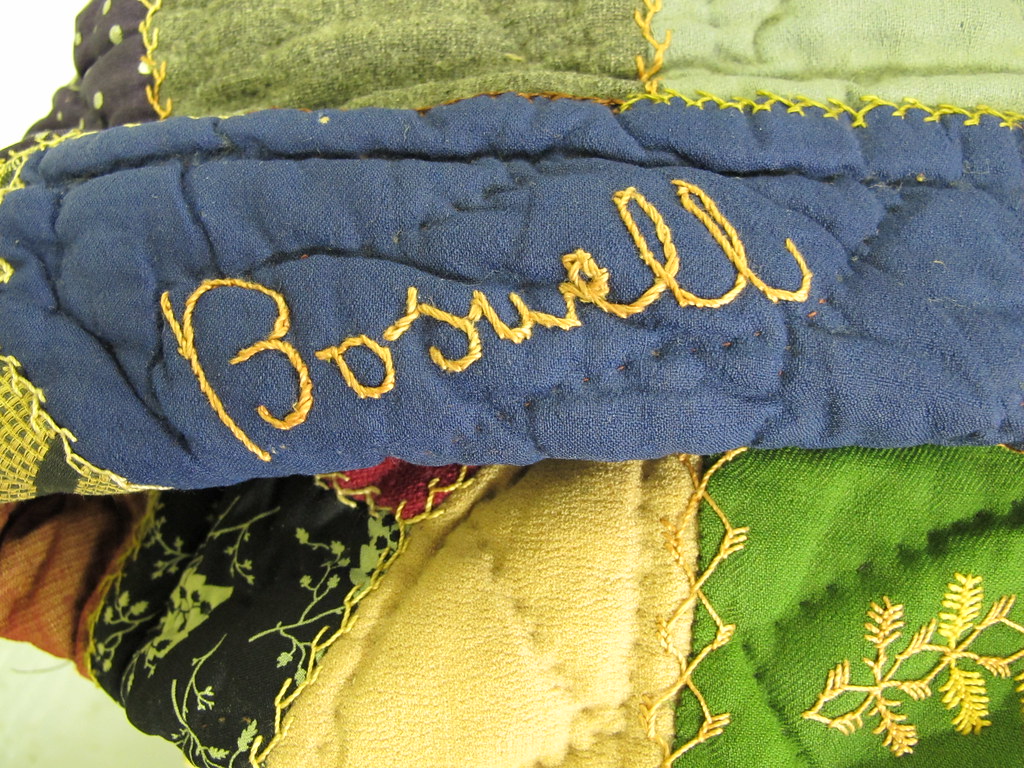
What connects the Whitney’s 1971 argument to a 2026 living room wall is the same underlying scarcity. A quilt takes dozens or hundreds of hours of hand-sewing to produce, and every uneven stitch is proof a specific person made specific decisions across every inch of fabric. Framed art can be reproduced infinitely; a quilt pattern can be copied, but the object itself cannot. That distinction is why museums started treating them as singular works rather than domestic objects, and it’s the same reason a folded-away family heirloom is worth more on a wall today than it ever was in a closet. Nothing about the stitching changed between the decade a quilt spent in a cedar chest and the day it went up in a frame. What changed was the room around it, and the willingness of the people living in that room to call handwork what it is.

Leave a Reply