

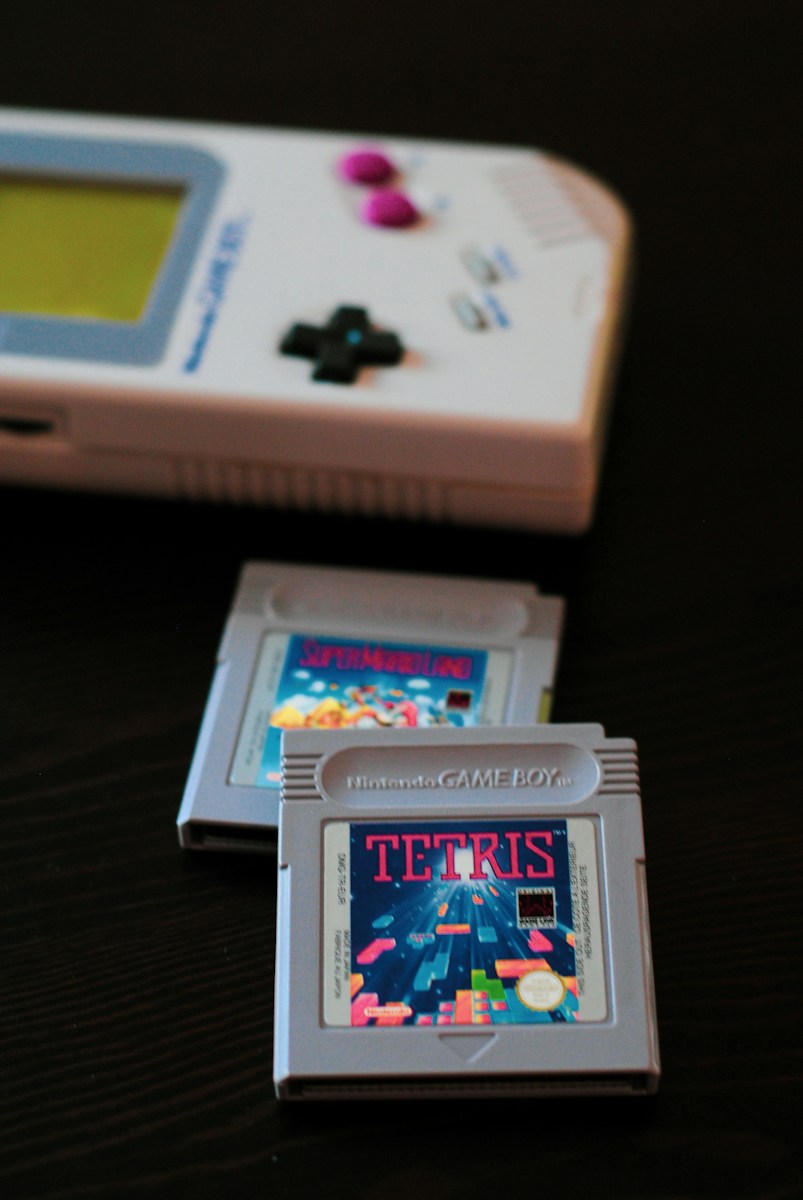
On May 17, 1989, Atari Games’ subsidiary Tengen shipped roughly 300,000 Nintendo Entertainment System cartridges of a small falling-block puzzle game it did not, in fact, have the legal right to sell. Within a month, a federal judge had ordered the cartridges pulled from shelves and locked in a warehouse.
That puzzle game was Tetris, and the mess behind its release was the tail end of a genuine, multi-year ownership dispute that ran straight through the Soviet Union’s final years — one involving a Moscow computer institute, a British media tycoon’s son, and a handheld console that would go on to sell tens of millions of units.
A Game the State Owned
Alexey Pajitnov wrote Tetris in 1984 on an Elektronika 60 at the Dorodnicyn Computing Centre, part of the Soviet Academy of Sciences in Moscow. As a Soviet citizen working inside a state institute, Pajitnov had no legal standing to license or sell his own creation — that authority belonged to Elektronorgtechnica, known as ELORG, the state agency that controlled all software import and export, according to the detailed account published by Time Extension. Anyone in the West who wanted Tetris had to go through ELORG, not Pajitnov, a distinction that would take years — and a lawsuit — to fully sort out.
One License, Sold Twice
In 1986, British software broker Robert Stein of Andromeda Software approached Pajitnov directly and came away believing he’d secured computer rights to the game, unaware Pajitnov had no authority to grant them, per Time Extension’s reporting. Stein sold what he thought he had to the British publisher Mirrorsoft and its American arm, Spectrum Holobyte. From there the chain of unauthorized deals kept growing: Mirrorsoft, leaning on Stein’s assurances, sublicensed arcade and console rights to Atari Games and, separately, Sega — rights that, per that same reporting, Stein had never actually possessed. It wasn’t until February 1989 that Stein finally signed a corrected agreement directly with ELORG, and even that new contract covered PC computers only.
The Moscow Meeting That Changed Everything
Nintendo entered the picture through Henk Rogers, a game designer running Bullet-Proof Software, who traveled to Moscow to negotiate handheld and console rights for the still-unreleased Game Boy. When Rogers showed ELORG officials the Famicom cartridge version of Tetris already on the market, the agency was reportedly stunned — it had never authorized that release and had received no royalties for it, according to The Digital Antiquarian’s account of the negotiations. Robert Maxwell’s son Kevin Maxwell flew to Moscow to protect Mirrorsoft’s position, at one point reportedly invoking Mikhail Gorbachev’s name in an effort to sway the talks. It didn’t work. ELORG granted Nintendo the console and handheld rights through Rogers, a decision that would define which version of Tetris actually became a household name.
Nintendo v. Tengen
With Nintendo now holding what it considered exclusive console rights, Atari Games’ Tengen division released its own NES version of Tetris anyway on May 17, 1989, having produced roughly 300,000 cartridges and sold about 150,000 in the first month, according to the case record summarized on Justia’s federal appellate database. Nintendo and ELORG sued. A preliminary injunction hearing opened on June 15, 1989, and within a week Judge Fern Smith had ordered Tengen to stop manufacturing and selling its version and to recall unsold units to a warehouse. The case reached summary judgment that November, with Smith ruling entirely in Nintendo’s favor without hearing witness testimony, a sequence of events documented in Wikipedia’s entry on the litigation. Tengen’s brief, unauthorized NES cartridges are rare enough today that surviving copies now sell to collectors for well over $100 apiece.
Cold War Rights, Post-Cold War Payoff
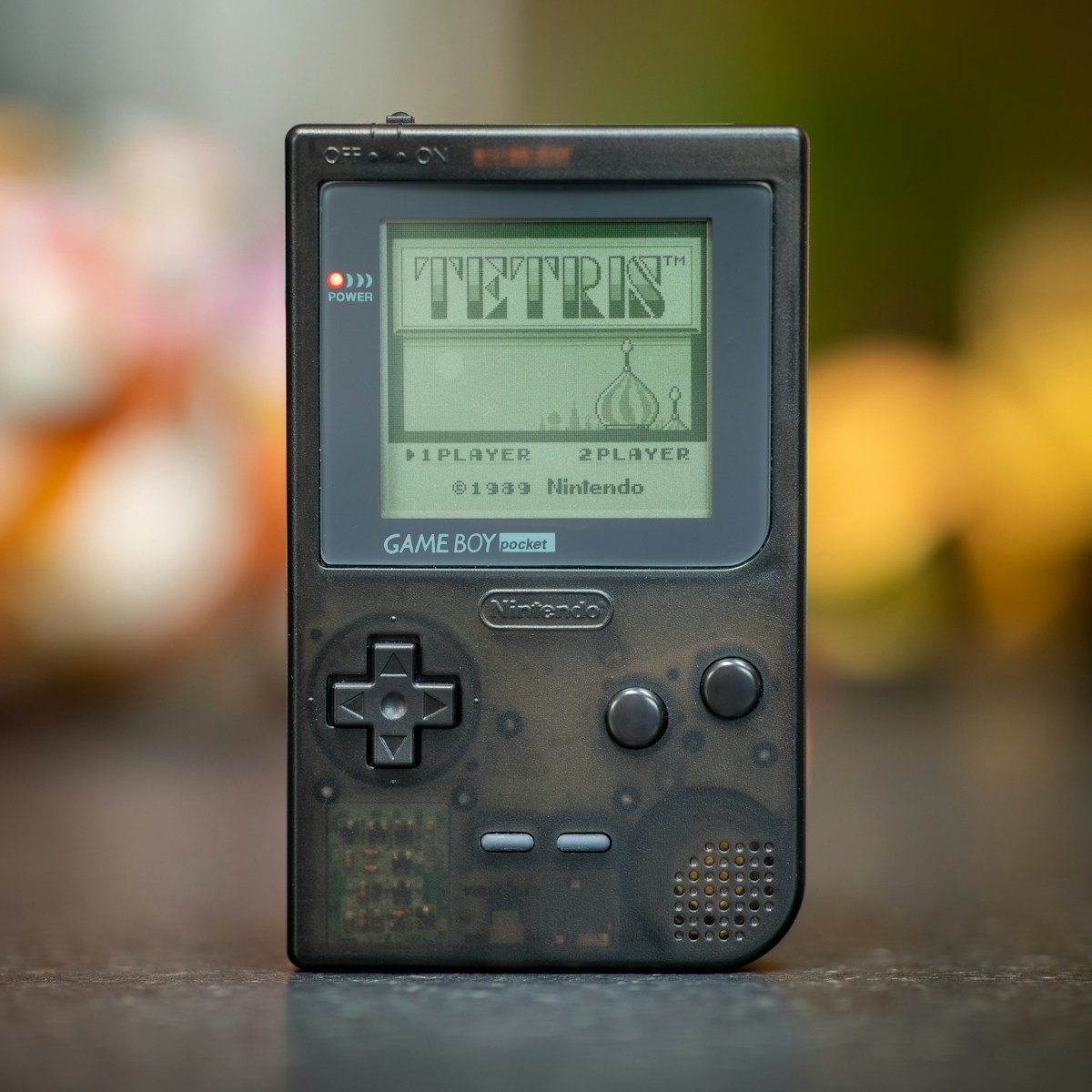
Nintendo, for its part, bundled its own licensed Tetris with every Game Boy sold starting in 1989, a pack-in decision widely credited with helping launch the handheld into tens of millions of households. Pajitnov, meanwhile, didn’t see a cent of it. His original arrangement had locked his rights to the Soviet state for a decade, and it wasn’t until 1996 — five years after the USSR itself had dissolved and ELORG’s state-agency structure had effectively ceased to exist — that those rights reverted and Pajitnov, together with Rogers, co-founded The Tetris Company to finally control and profit from the game he’d written on a Soviet mainframe twelve years earlier.
A puzzle game built from falling blocks ended up tangled in international licensing law, a media mogul’s family business, and the final unwinding of a superpower — proof that even the simplest idea can take a decade to actually belong to the person who thought of it.

Leave a Reply