

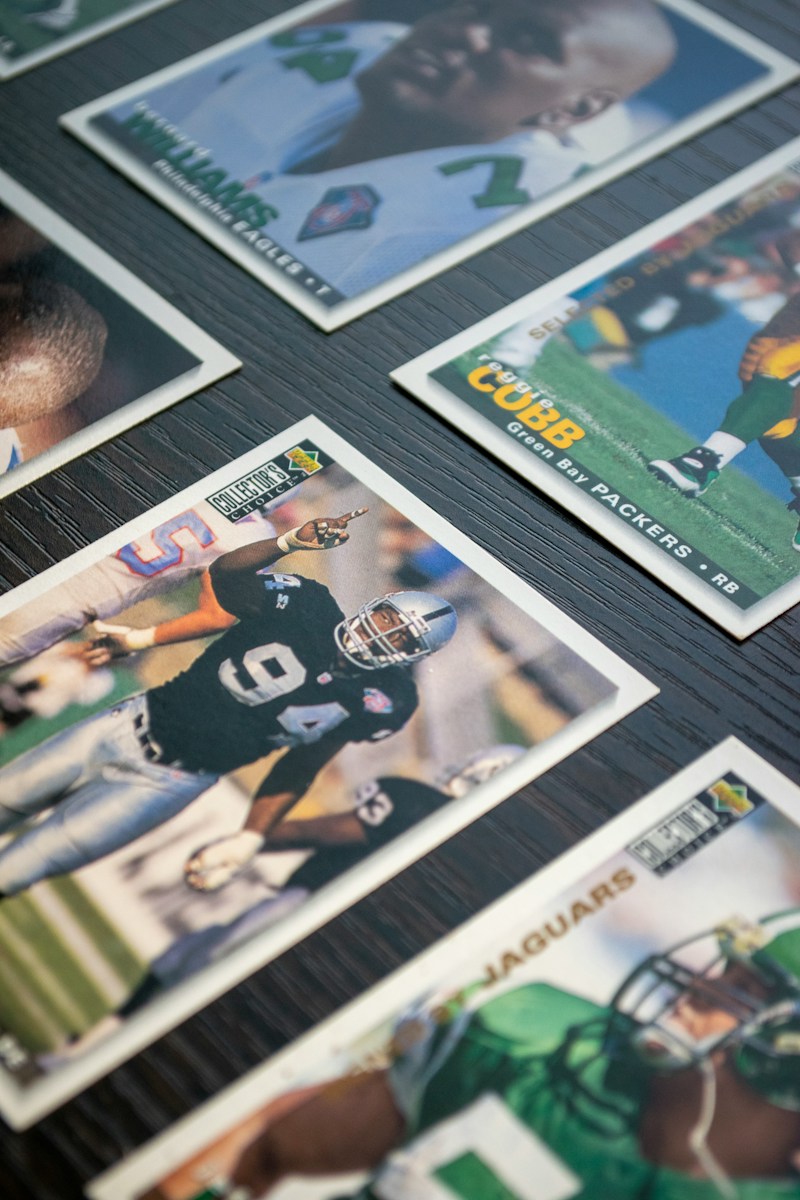
Retail analytics firm Circana released 2026 data confirming that nostalgia has become a measurable force in American retail, not a marketing buzzword, and the trading card numbers underneath it are startling.
Buyers age 15 and older drove U.S. toy-industry sales up 111% since 2020, overtaking the 10-to-14 age bracket as the category’s primary growth engine, according to Circana’s own analysis.
Key Points
- Adults 15+ have lifted toy-industry sales 111% since 2020, per Circana, making that group North America’s largest toy-buying demographic — a market now roughly twice the size of Europe’s and four times Asia’s in that age bracket.
- Nearly 30% of U.S. consumers bought trading cards in the past year; 44% cited nostalgia as a motivator, and almost half purchased with resale value specifically in mind, Circana found.
- Sports trading cards and trading card games each logged 36% to 39% U.S. category growth through April 2026, while Walmart Marketplace’s trading card sales climbed 200% between February 2024 and June 2025, according to figures reported by Tech Times.
- Low-rise denim was Circana’s fastest-growing denim silhouette from January through May 2026, alongside a 24% jump in small shoulder bag sales and 7% growth in capri jeans over the same window.
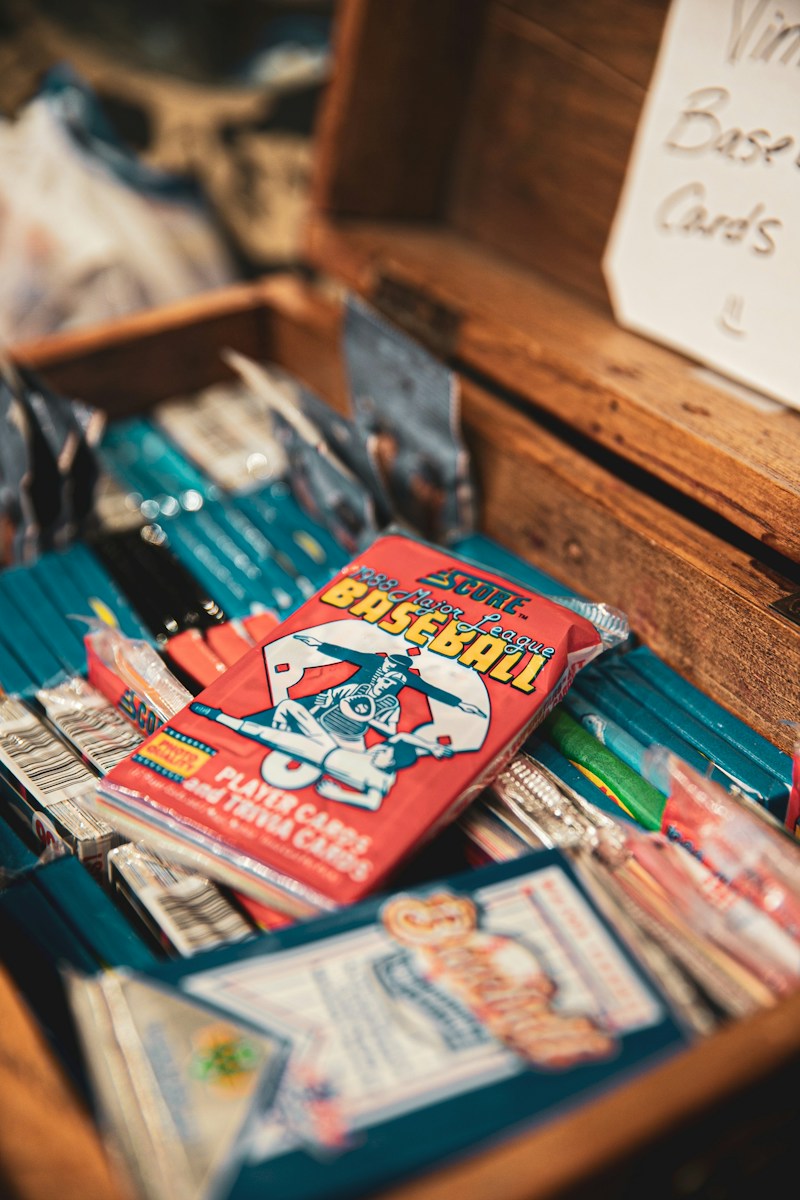
The card boom is a genuine second act, not a new phenomenon. Trading cards built an entire secondary economy once before, during the late-1980s and early-1990s baseball and basketball card mania, before overproduction crashed resale values almost as fast as they’d climbed. This time, the buyers doing the driving are grown, and they’re not necessarily playing the games attached to the cards: Tech Times reports that only about a quarter of adults who bought Pokemon cards for themselves in a recent six-month stretch actually played the game, with most collecting purely as a hobby or an investment.
The denim numbers tell a parallel story. Low-rise waistbands defined the Y2K stretch of the late 1990s and early 2000s before disappearing for most of the 2010s in favor of higher rises, and their return as Circana’s fastest-growing denim category lines up with the roughly two-decade nostalgia cycle that has also revived platform shoes and micro handbags from the same wardrobe. Small shoulder bags, up 24% in Circana’s tracking, come from that identical closet.
What both trend lines suggest is that retailers have stopped treating throwback product as a seasonal novelty. Circana’s data points to a shopper base, mostly adult, buying its own childhood back one card pack and one low-rise waistband at a time — and doing it in numbers large enough to move category-wide sales charts.

Leave a Reply