

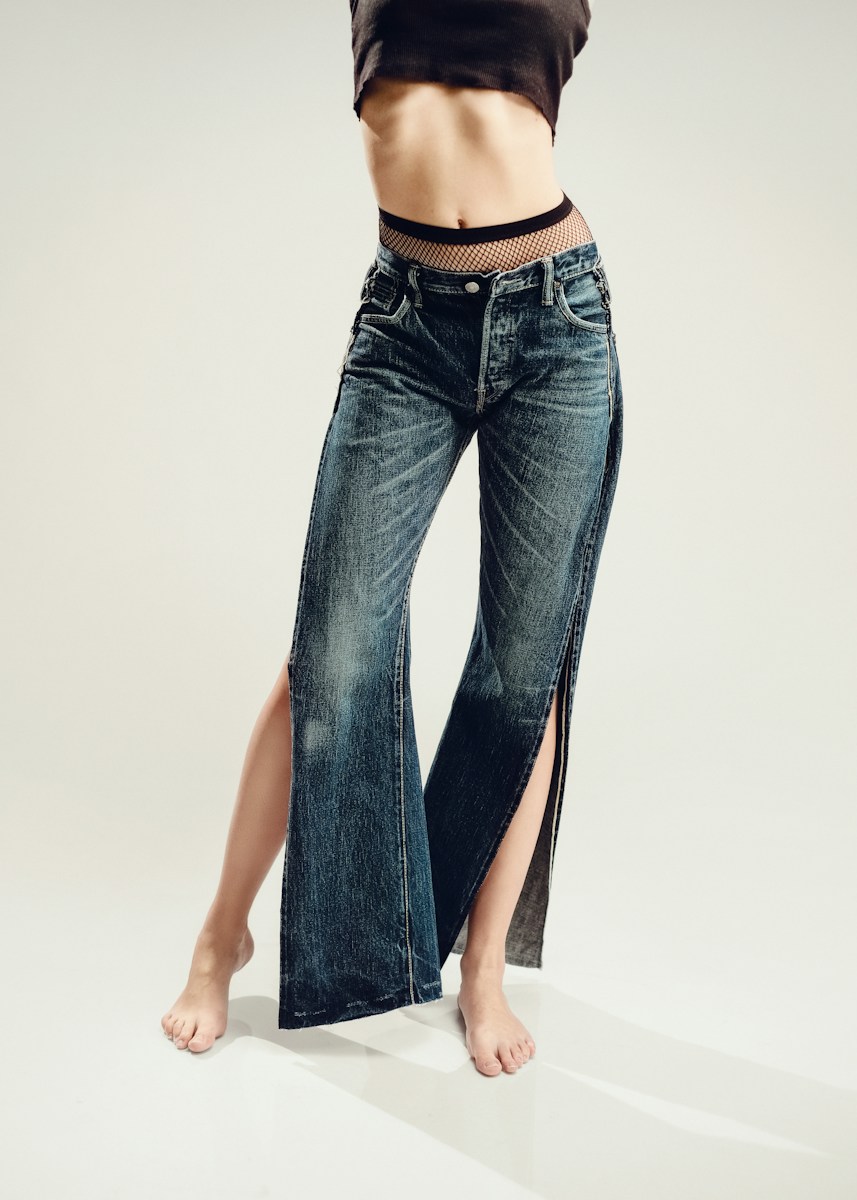
In the first week after Calvin Klein relaunched his jeans line in 1977 — cut from a modified Levi’s 501 pattern with a lower rise and a tapered leg, priced at $35 — the company sold 200,000 pairs, according to a history of the era published by Denimhunters.
Within three years, three companies were fighting over the same strip of American back pocket: Calvin Klein, the Nakash brothers’ Jordache, and Maurice Sasson and Paul Guez’s Sasson. By 1981, their combined ambitions had turned denim into a $6 billion battlefield and, along the way, invented modern fashion marketing as anyone under 50 would recognize it.
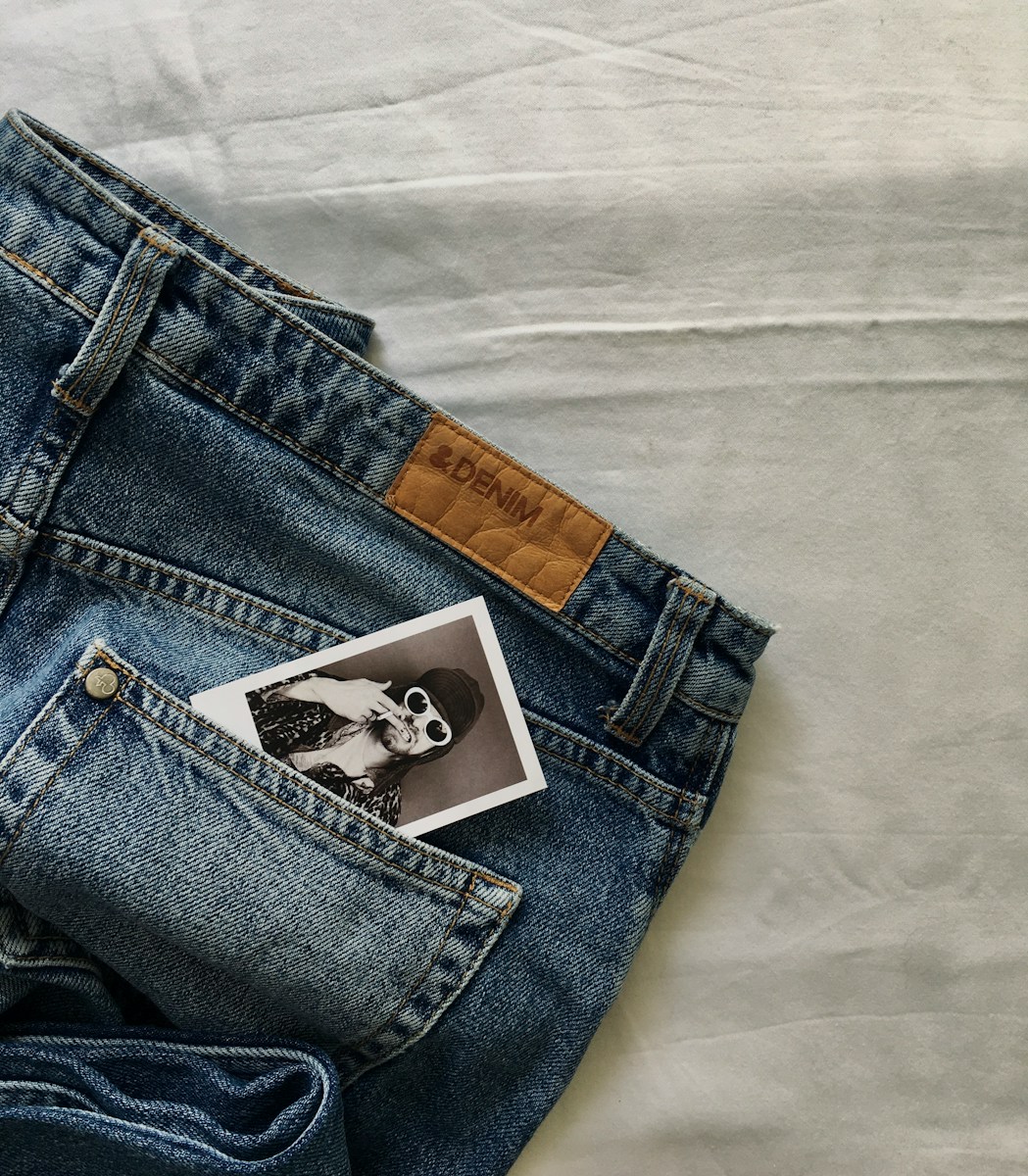
Three Brands, One Back Pocket
Calvin Klein’s first attempt at jeans flopped completely when he launched them at Bloomingdale’s in 1976 for $50 a pair, per Denimhunters’ account of the launch. What worked was the second try a year later, bankrolled by Puritan Fashions chief Carl Rosen, who put up roughly $1 million upfront plus annual payments for the license. Jordache didn’t exist yet when that relaunch happened — brothers Joseph, Raphael, and Avraham Nakash founded the company in 1978, contracting the name from their own first names after a 1977 blackout-related fire destroyed their earlier retail stock, according to Wikipedia’s company history. Sasson, meanwhile, had been running since 1976 under founders Maurice Sasson and Paul Guez, per Wikipedia’s entry on the label, and Gloria Vanderbilt’s name went on Murjani Group jeans that same year after Jackie Onassis reportedly turned the deal down, a detail noted in PBS’s American Experience history of denim. Four brands, one narrow strip of back pocket, and a country suddenly willing to pay for a name stitched onto it.
An Advertising Arms Race
Calvin Klein set the tone with a 1978 billboard featuring model Patti Hansen, then went further in 1980 with fifteen-year-old Brooke Shields asking what came between her and her Calvins — a campaign PBS credits with ballooning Klein’s jeans sales more than sevenfold in a single year. Jordache answered with a 1979 television spot of a woman on horseback that all three major networks refused to air; independent New York stations ran it instead, and the Nakash brothers, who’d put up $300,000 of their own money plus $250,000 in loans to make it, later spent another million on magazine placements, per Wikipedia’s sourced account. Their jingle — “you’ve got the look I want to know better” — outlived the commercial itself. Sasson took a different route entirely, sponsoring boxers including WBC heavyweight champion Larry Holmes and featherweight titleholder Juan Laporte, while also settling a trademark dispute with hair-care company Vidal Sassoon that forced the brand to adjust how its name was pronounced in commercials.
By the Numbers
By 1981, the competition had real money behind it. Jordache reported $130 million in sales for 1980 and was projecting $200 million for 1981; Sasson had grossed $80 million in 1980 and expected $150 million in shipments the following year; Gloria Vanderbilt’s Murjani-backed line grossed roughly $150 million in 1980 too, according to figures reported by United Press International. The Nakashes spent $290,000 on a single 21-page spread in The New York Times, Sasson lined up a $6 million joint advertising fund from its licensees, and Guez told UPI he expected an $18 million ad budget within three or four years. It was, by any measure, a spending war fought in full-page ads and network airtime rather than courtrooms.
The flood of competitors eventually worked against everyone involved. UPI’s reporting cited analyst Jean Driscoll’s estimate that designer jeans’ share of the roughly $6 billion American jeans market had already slipped from 10 percent to 6 percent by 1981, as cheaper Hong Kong knockoffs and an oversupplied market pushed retail prices from the original $30-to-$70 range down to $20 on the sale rack.
The Reckoning
Sasson’s co-founder Maurice Sasson left the company he started in 1979. By 1983, in one of the stranger footnotes of the whole rivalry, Jordache had acquired rights to his name and installed him as president and chief designer of its new Bronco Jeans line, per Wikipedia. Sasson Inc. itself filed for bankruptcy in 1986, carrying $11.5 million in assets against $7.5 million in debt. Jordache fared better by pivoting hard into licensing, eventually generating up to $300 million a year in wholesale income across roughly 100 licensees by 1989. Calvin Klein, the brand that started the whole cycle with a $50 flop, ended up the only one of the three still recognized as a serious fashion house decades later.
What the jeans wars actually sold, in the end, wasn’t denim. It was the idea that a name on a back pocket could be worth more than the fabric underneath it — a lesson every fashion label since has taken to heart.

Leave a Reply