

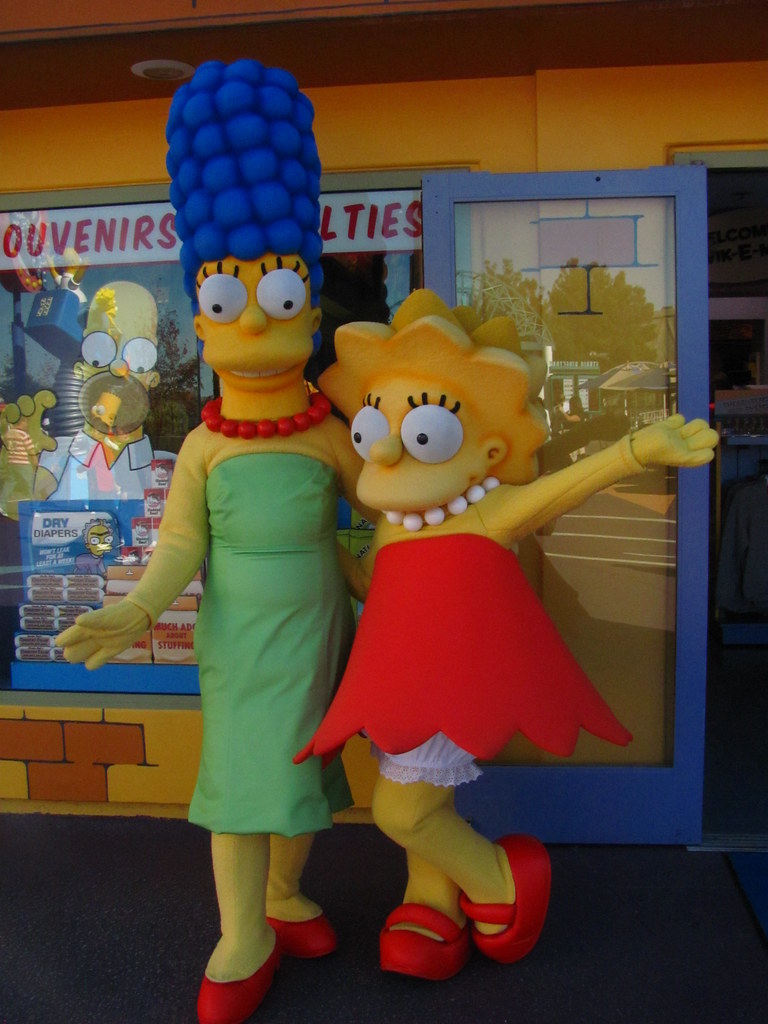
No scripted primetime series in American television history has produced more episodes than The Simpsons. That record isn’t a recent development or a fresh milestone the show just crossed; it’s a fact the series has held onto for years, ever since it quietly overtook a black-and-white Western that most viewers under 40 have never seen a single episode of.
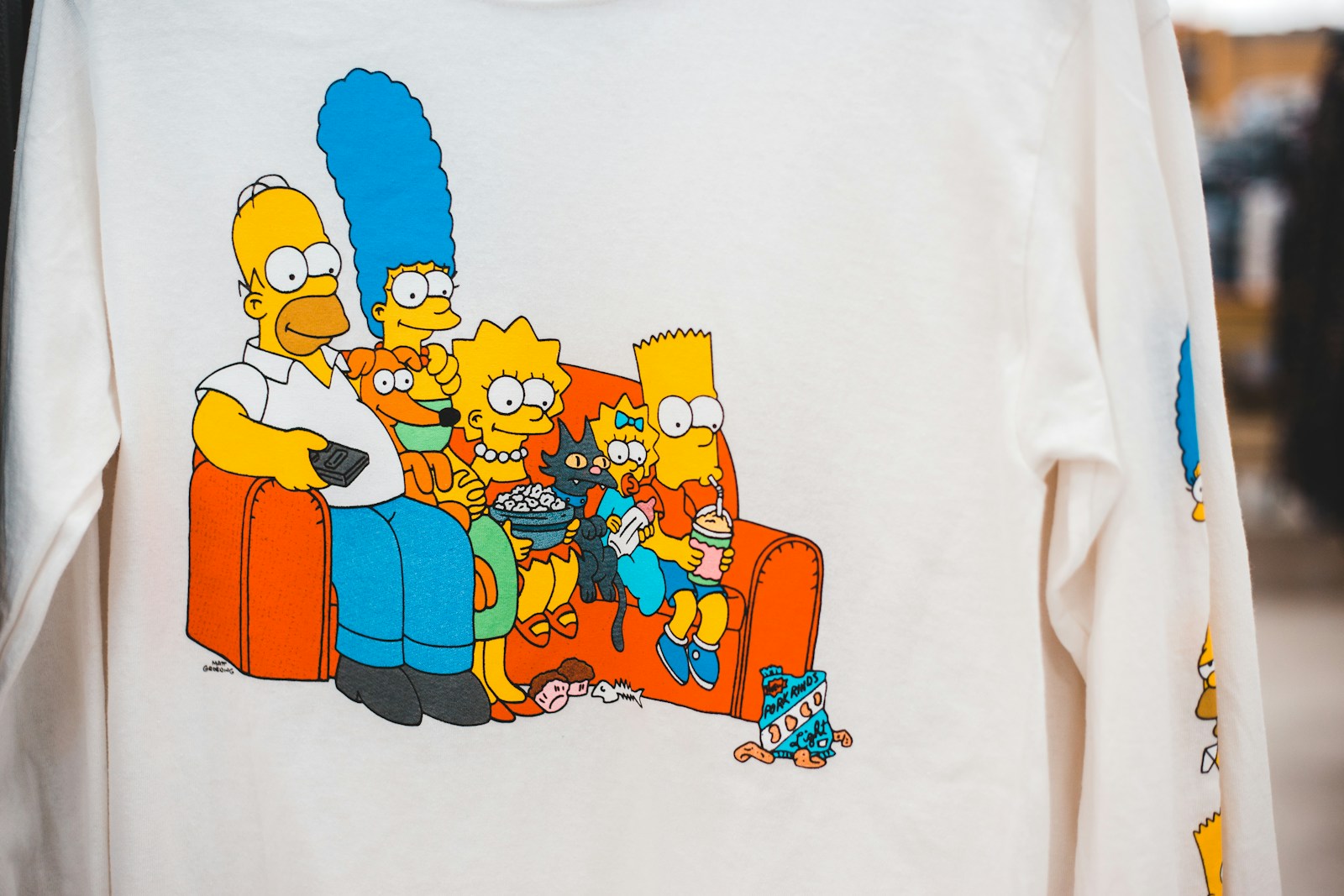
That earlier record holder was Gunsmoke, the long-running CBS series that ran from 1955 to 1975 and had stood, for decades, as the benchmark for sheer scripted longevity, with 635 episodes to its name. The Simpsons passed it with its 636th episode, “Forgive and Regret,” part of the show’s 29th season, a milestone Screen Rant and outlets across the entertainment press covered at the time as a genuine changing of the guard.
Since then, the show has kept adding episodes at a rate no other scripted series has come close to matching. By the time Guinness World Records recognized the show for the related distinction of longest-running animated sitcom by episode count, the tally had climbed to 662, and it hasn’t stopped climbing since; the show marked its 800th episode in early 2026.
What makes the record genuinely surprising isn’t the number itself, big as it is. It’s where the show came from. The Simpsons didn’t launch as its own series. It began as a set of crude, deliberately rough-edged animated shorts wedged between sketches on somebody else’s variety show.
That show was The Tracey Ullman Show, a sketch-comedy series built around British comedian Tracey Ullman that debuted on the fledgling Fox network in 1987. Producers needed short bumper segments to run between sketches and during commercial breaks, and they landed on cartoonist Matt Groening, best known at the time for his comic strip “Life in Hell.” As the story is usually told, and as detailed on Wikipedia’s account of the show’s production, Fox wanted ownership of merchandising rights tied to “Life in Hell” itself. Groening balked at handing that over and, rather than losing the opportunity entirely, sketched out an entirely new set of characters on the spot: a cartoonishly dysfunctional family named after members of his own family, with the son’s name changed from his own to “Bart.” The Simpson family’s first animated short, titled “Good Night,” aired as part of The Tracey Ullman Show on April 19, 1987, according to production records for the episode.
They were not polished. The early shorts ran under two minutes, were animated cheaply and quickly, and functioned as connective tissue rather than a headline attraction. Nobody involved was pitching them as the foundation of a franchise. But the family clicked with viewers in a way the rest of the sketch show didn’t quite manage, appearing seven times across that first season before becoming a near-constant presence in the two seasons that followed. By the time The Tracey Ullman Show wound down in 1990, Fox had already greenlit a full half-hour spinoff built entirely around the Simpsons, and that series, still just called The Simpsons, premiered as its own show with the holiday special “Simpsons Roasting on an Open Fire” on December 17, 1989, technically debuting even before Ullman’s original show went off the air.
From there, the show didn’t just survive, it outlasted nearly every prediction made about it. Animated sitcoms aimed at grown-ups were not an established category in 1989; The Simpsons effectively built the category other shows like Family Guy and King of the Hill would later move into. Fox kept renewing it season after season, well past the point where most series would have wrapped up or been quietly retired, and the show picked up an additional distinction along the way: the most Emmy Award wins of any animated series in television history.
There’s a particular kind of irony in a show built from castoff two-minute filler segments eventually out-lasting nearly every prestige drama, every network sitcom, and the very variety show that gave it a home in the first place. The Tracey Ullman Show ended in 1990. Its most famous export is still airing new episodes on Fox, more than three and a half decades later, holding a record that started as an afterthought squeezed between sketches nobody remembers.

Leave a Reply