

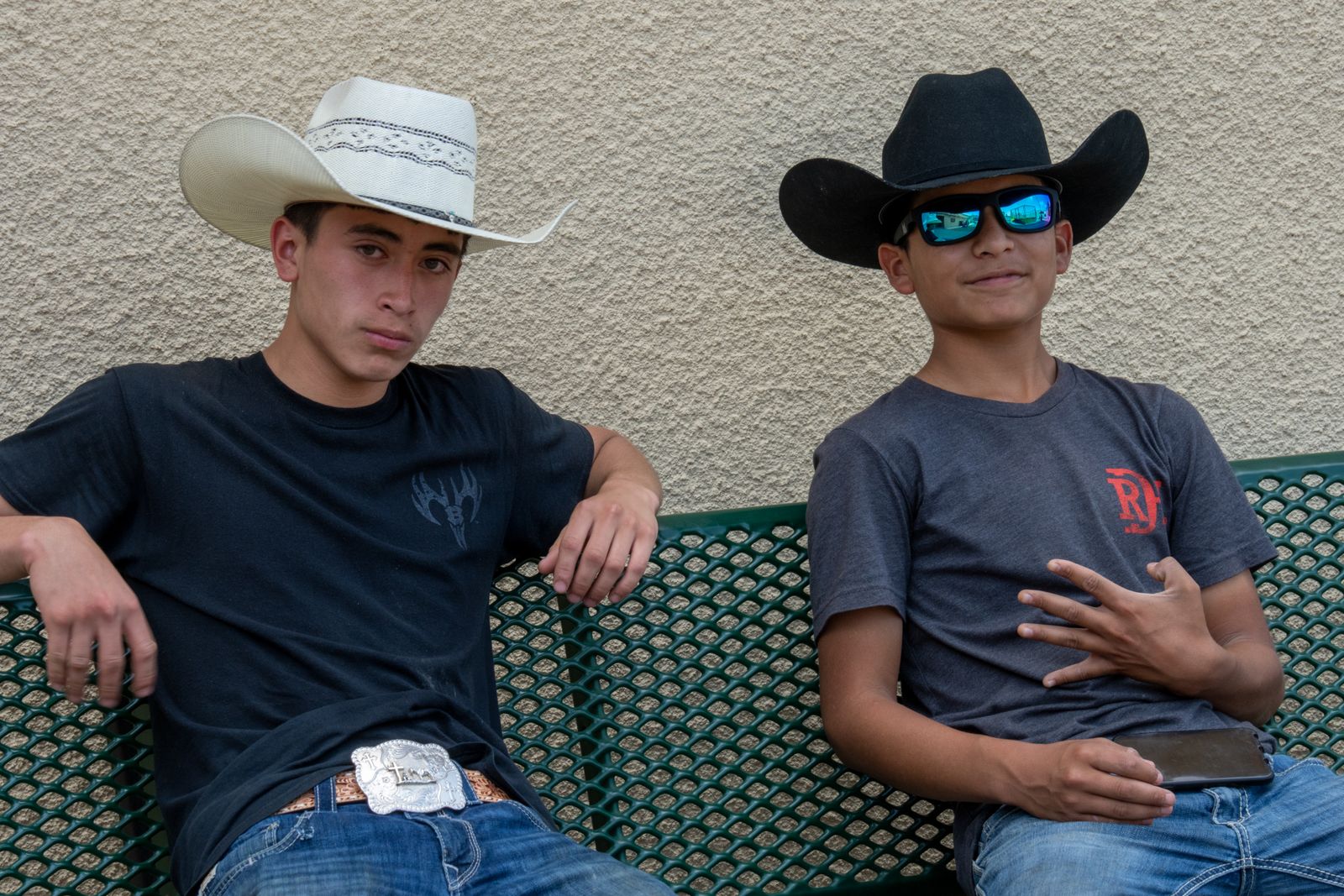
A rodeo trophy buckle used to mean exactly one thing: you won. Not “you found the right vintage booth,” not “you liked how it looked with a crop top” — you climbed onto a bucking animal, or roped a calf faster than everyone else entered that weekend, and a buckle the size of a deck of cards got handed to you instead of a ribbon or a check.
That’s still the version fashion insiders calling 2026 “the Year of the Cowgirl” are actually chasing, even though most of the buckles now turning up on belts, bags, and museum walls were won by somebody else’s grandfather.
From hardware to trophy
Belt buckles started out as purely functional gear. The U.S. cavalry carried sturdy metal versions west, and early cowboys adopted them because they held up to ranch work, not because they looked like anything in particular. The turn toward spectacle came from Hollywood. In the 1920s and ’30s, as the Buffalo Bill Center of the West documents, Western movie costume designers began dressing screen cowboys in engraved silver buckles and oversized hand-tooled leather that photographed well on camera, and the look bled straight off the screen and into real rodeo culture.
Around the same period, rodeo organizers started handing out engraved buckles instead of ribbons or medals to event winners, which is the moment the buckle stopped being a fastener and became a trophy. By the 1940s and ’50s, silversmithing houses like Bohlin were engraving buckles with a winner’s name, event, and date, turning each one into a small permanent record, and that basic format hasn’t really changed since.
Sterling versus everything else
The material matters more than most casual buyers realize. A lot of what shows up at flea markets labeled “silver” is actually German silver, also called nickel silver — a durable copper-nickel-zinc alloy that, despite the name, contains no actual silver at all, according to appraisal research from Elizabeth Appraisals. It was cheap, tough, and common on everyday ranch gear. Genuine sterling buckles are a different tier entirely: they’re the ones that were actually awarded at rodeos, and the ones collectors chase hardest today, both for the metal content and for the engraving, which on an original trophy piece usually names a real event, a real year, and sometimes a real winner.
That combination of precious metal and a documented moment is what separates a collectible rodeo buckle from a costume-shop knockoff, and it’s a distinction that gets lost fast once a buckle is decades removed from the arena it was actually won in. Appraisers who handle Western collections report seeing the same pattern client after client: a single sterling trophy buckle, engraved and dated, routinely appraises for meaningfully more than an entire rack of undocumented “vintage style” buckles combined, simply because it comes with proof of exactly what it is.
Hollywood kept it alive between rodeos
Gene Autry wore trophy-style buckles on screen decades before anyone called it a trend, and later, Dolly Parton and Garth Brooks kept them in heavy rotation, reminding a much wider audience that the buckle was never purely functional to begin with. It was always partly costume. The Buffalo Bill Center of the West leans into that overlap directly in its own collection: the museum’s “Spur of the Moment” exhibition, running in Cody, Wyoming through mid-March 2026, displays trophy buckles and everyday Western dress alongside the film costumes that helped popularize them, treating the two as one continuous story rather than separate categories.
Why it’s showing up now
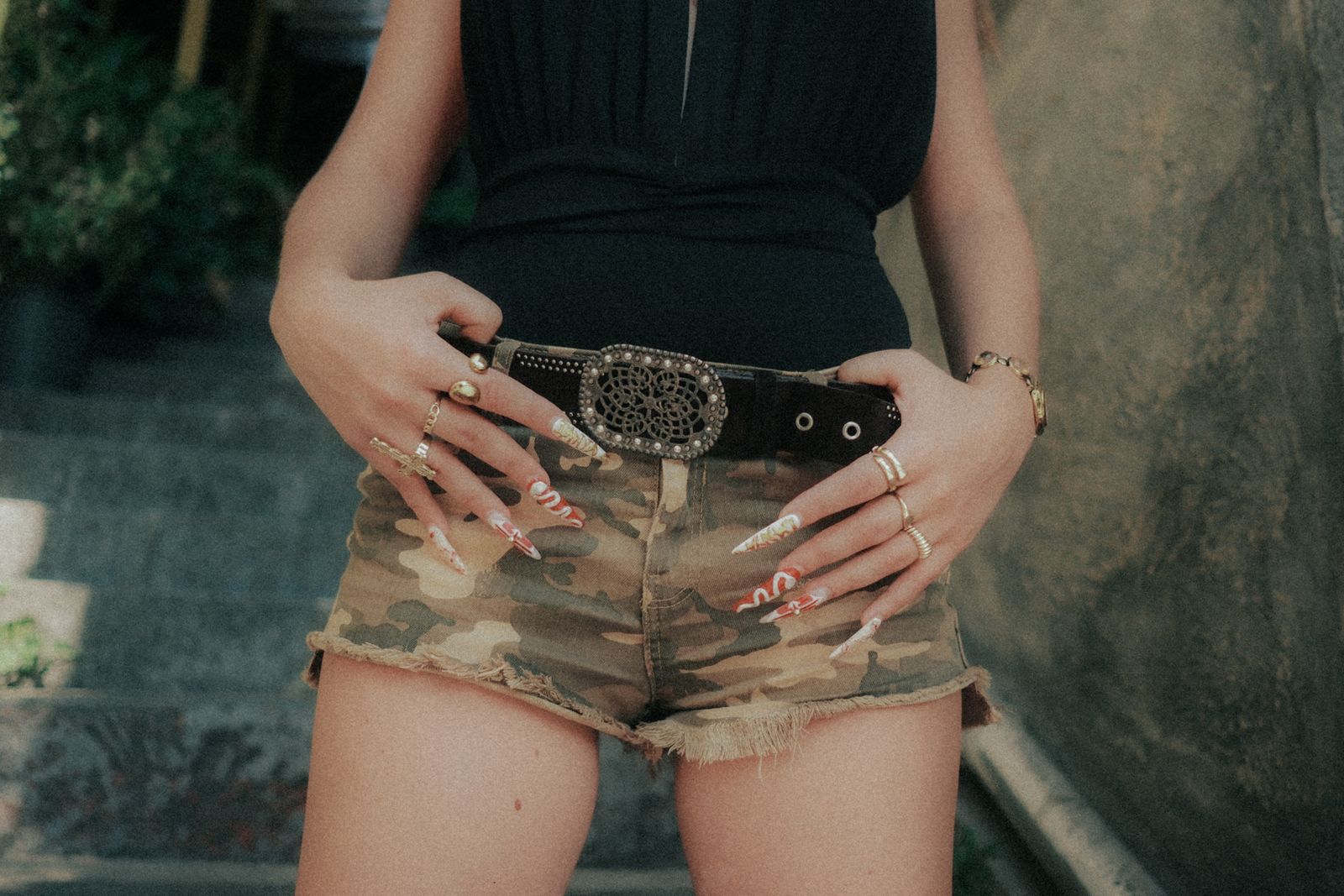
What insiders are calling 2026’s Year of the Cowgirl is really that same loop running again, with festival and runway styling pairing an oversized vintage buckle with a crop top or a bohemian dress, borrowing a signal of earned Western identity and repurposing it as pure style. The buckle sitting on a resale rack today might still carry an engraved date and event from forty or fifty years ago, which is more documented history than most accessories on the market can claim for themselves. It’s also exactly why the good ones keep getting harder to find each season. A real trophy buckle was only ever made in the quantity of actual winners, and nobody is minting more of 1974.

Leave a Reply