

F.W. Rueckheim didn’t set out to change how America sells snacks to children. A German immigrant working in Chicago after the Great Fire of 1871, Rueckheim built a modest popcorn and candy business through the 1870s and eventually solved a problem that had plagued caramel-coated popcorn for years: it clumped.
His fix, a rotating drum that kept the molasses coating from sticking together in one giant mass, according to Smithsonian Magazine, is part of what let Cracker Jack debut to a wide audience at the 1893 Chicago World’s Fair and pick up its permanent name a few years later.
The product built momentum on its own after that. Rueckheim trademarked the slogan “The More You Eat, the More You Want,” gave the brand its sailor-suited mascot Jack and his dog Bingo, and got a permanent lodging in the American songbook when “Take Me Out to the Ball Game” name-checked Cracker Jack in 1908, cementing the snack’s association with baseball for good, per Smithsonian.
The idea that made every box a gamble worth taking
What really turned Cracker Jack into something else was a decision made on February 19, 1912. Before that date, prizes and coupons had shown up in Cracker Jack boxes only sporadically, a nice surprise rather than a promise. On that day, the company committed to something bigger: a toy or trinket in every single box, guaranteed, according to a Fox News account of the day in history. Early prizes were simple things made of paper, metal, or wood, tucked directly into the popcorn and peanuts. It sounds almost careless by modern standards, mixing a toy in with food meant for kids, but at the time it was exactly the kind of small, cheap thrill that turned an ordinary snack into an event.
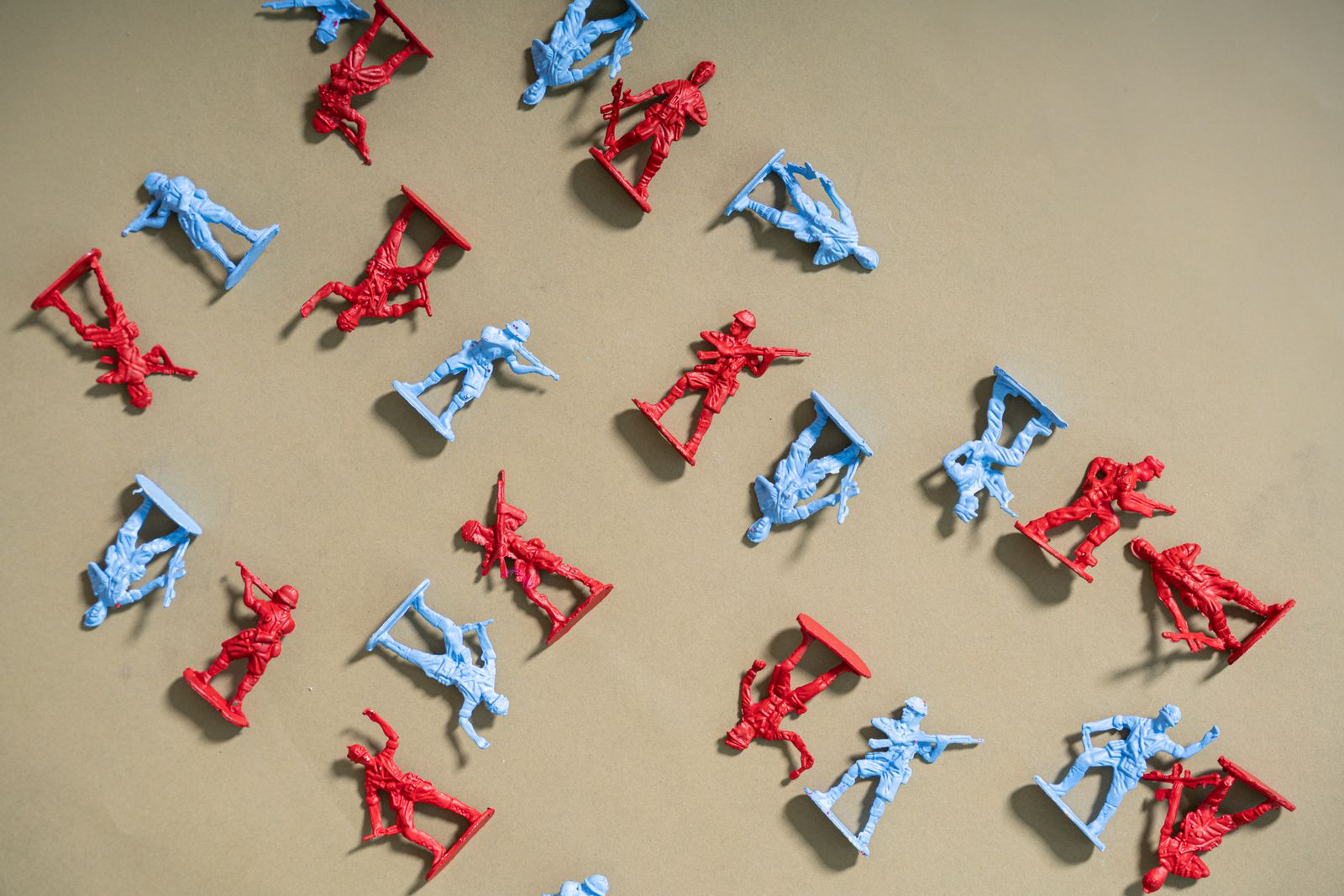
The company kept refining the format for decades. Plastic prizes, produced through injection molding, arrived in 1946. Two years later, the prizes started getting wrapped in wax paper, a hygiene fix that also, not incidentally, made unwrapping one feel a little more like unwrapping a gift. Smithsonian notes the prizes tracked the country’s mood as it changed, with paper substituted for metal during World War II to save resources for the war effort, jet-age and space-race toys showing up in the postwar boom, and flower-power pins turning up in the 1960s and ’70s. Frito-Lay, which took over the brand in 1997 after Borden had owned it since 1964, eventually phased out physical toys altogether in 2016, replacing them with QR codes linking to a digital “Prize Inside Arcade.” Even by conservative estimates, the run of physical prizes lasted over a century and handed out toys by the tens of billions.
The template nobody credits but everybody used
Cracker Jack didn’t invent the idea of a promotional giveaway, but the 1912 decision to guarantee one in every box, rather than leave it to chance, is close to the moment the modern snack-prize business model clicked into place. It took other companies a while to catch up. Kellogg’s early 1900s cereal premiums required mailing in proof of purchase for a book, which is a far cry from tearing open a box and finding a toy already inside. It wasn’t until General Mills started stuffing Skippy trading cards into boxes of Wheaties in 1931 that cereal companies really leaned into the built-in-toy formula Cracker Jack had already been running for two decades, a shift documented by The Daily Meal. From there, the toy-in-every-box idea became close to standard practice across cereal aisles for most of the 20th century, until choking hazards and safety recalls in the late 1980s started pushing prizes out from inside the box and eventually off the shelf altogether.
The specific toys have long since stopped mattering, and most collectors couldn’t tell you what was in a given box without checking a reference guide first. What Rueckheim actually figured out in 1912 is that a guaranteed, tiny, disposable surprise could do more for brand loyalty than any amount of flavor tinkering, and that lesson outlived plastic army men, paper fortune tellers, and every cereal box decoder ring that followed it. Cracker Jack still gets credit as the snack that turned baseball, popcorn, and a cheap plastic trinket into one inseparable American memory, and the box that guaranteed you’d never come away empty-handed is the reason why.

Leave a Reply