

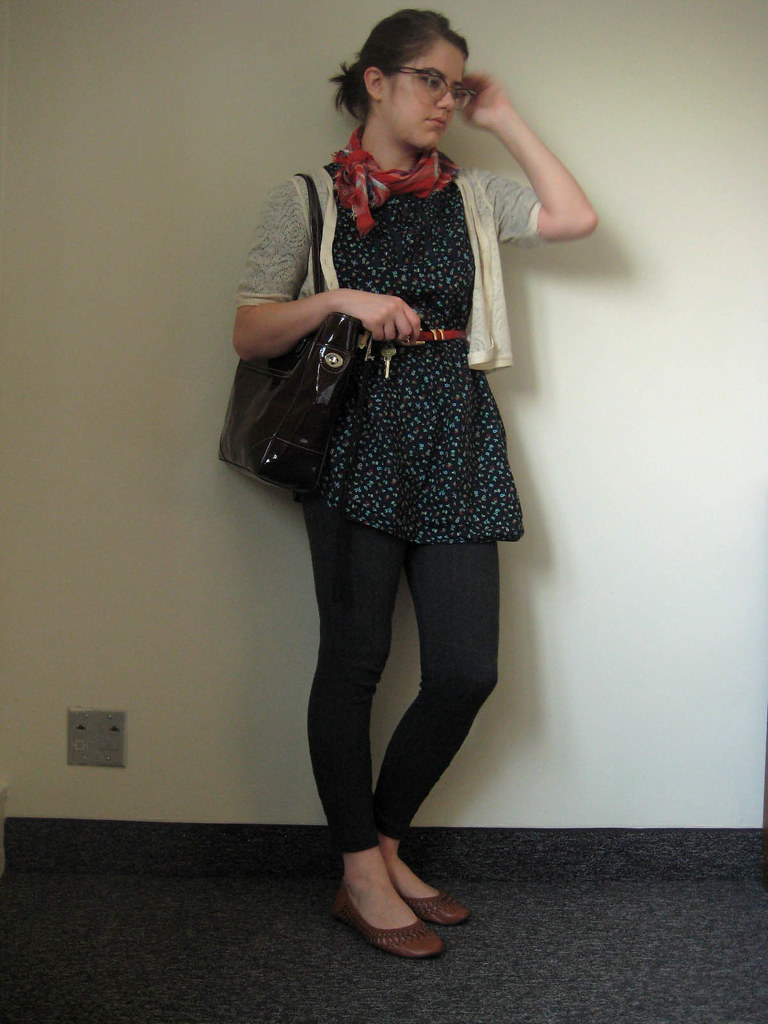
A Bonnie Cashin-designed Coach purse that would have struggled to clear $50 at a flea market in 2010 sold for more than $600 in February 2024. A pink Cashin bag went from $399 in 2021 to over $1,000 within about two years.
Neither is an isolated fluke: search interest in vintage Coach bags on eBay climbed 114 percent in a single year, according to Vogue’s reporting on the platform’s own data, and resale prices on specific 1970s styles have followed the search traffic almost in lockstep.

The bags driving the surge aren’t the logo-covered Coach of mall-store 2000s memory. They trace back to a very specific origin story: Miles and Lillian Cahn bought a small New York leather goods maker called Gail Leather Products in 1961 and renamed it Coach. Miles was skeptical about branching into women’s handbags at all until Lillian pushed him toward it, pointing out how a well-worn baseball glove only got softer and more supple with use — the same quality she wanted in a purse.
He later admitted, “I scoffed at first… but my wife prevailed.” The Cahns hired Bonnie Cashin as head designer not long after, and the pieces collectors are chasing now date to the years right after that hire, when Coach was still a small operation known for thick, dye-hungry cowhide that improved with wear instead of degrading. Cashin brought a background in sportswear and film costuming to a category that had mostly been about formal handbags, and credited with introducing the brand’s signature brass turn-lock hardware, she built a run of genuinely odd, function-first designs: the Hasp Bag, introduced in 1973 with an oversized brass closure; the mid-1970s Courier Bag and Crescent Saddle Bag; the 1976 Stewardess Bag, built with a travel-ready profile; the 1972 Federal Bag; and a Suspender Bag that hung from a strap system borrowed from menswear.
Those exact names are now showing up in resale listings with prices that would have been unthinkable a decade ago. Per the same reporting, a Federal Bag in good condition is fetching close to $2,750, and a Courier Bag is landing near $2,000 — both well above what most buyers paid new, adjusted for inflation, and both a long way from the $10 to $20 range vintage Coach commanded at thrift stores as recently as the mid-2010s. Prices across the category now range roughly from $200 to $2,750 depending on condition, style, and hardware.
Part of what’s fueling the run is generational rediscovery rather than nostalgia from the original buyers. Shoppers in their twenties, chasing what’s been widely nicknamed a “rich mom” aesthetic, are pairing thrifted 1970s and ’80s pieces with the same era’s denim and gold jewelry — and a Coach bag from before the brand plastered its name across every surface fits that look in a way a current-season logo tote doesn’t. The leather itself does some of the selling on its own. Cashin-era Coach used hides thick enough to develop a patina rather than crack, which means a fifty-year-old bag can genuinely still look better than a five-year-old one from a fast-fashion label.
There’s also a scarcity element that mirrors what’s happening in plenty of other vintage categories right now. Coach didn’t mass-produce these particular styles for anywhere near as long as the brand’s later, logo-driven eras, and the ones that survived half a century of actual daily use — car keys scratching the leather, a strap replaced once or twice — are thinning out. A search spike is one thing. A search spike layered on top of genuinely limited surviving inventory is what turns a 114 percent jump in curiosity into four-figure sales that keep closing.
Buyers chasing these bags have gotten specific about what they’re looking for, in a way that mirrors the McCoy pottery and vintage watch markets going through the same moment right now. It isn’t enough for a bag to say “Coach” on the hardware. Shoppers comparing listings look at the shape of the brass turn lock, the weight and grain of the leather, whether the stitching runs saddle-style rather than machine-straight, and whether the bag has the boxy, understated silhouette of the Cashin years rather than the rounder, more decorated look Coach moved toward in the 1990s. That’s a lot of specificity for a category that, a decade ago, most thrift shoppers walked past without a second look. It’s also exactly the kind of specificity that turns a $10 flea-market find into a four-figure resale, if the buyer on the other end knows precisely what they’re holding.

Leave a Reply