

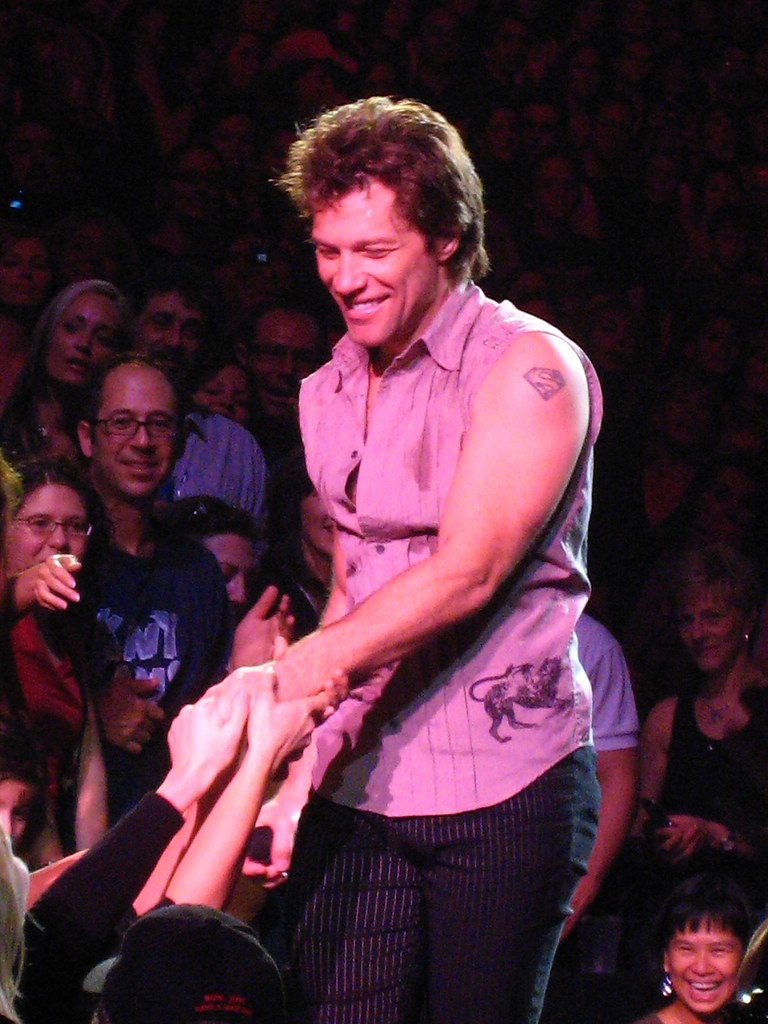
Jon Bon Jovi posted a carousel to Instagram on January 15 pairing a photo of himself in front of a November 2016 issue of PEOPLE Magazine with fresh throwback shots and a picture of bandmate David Bryan at the piano, captioned “Heard we were taking it back to 2016.” He’s one of dozens of famous names who have spent the past several weeks flooding social media with a single, oddly specific joke: 2026, apparently, is “the new 2016.”
Key Points
- The trend, reported by NBC News, took off in the first weeks of January 2026, exactly ten years after 2016.
- Jon Bon Jovi’s post, detailed by AOL, drew directly on his own real 2016 press appearances, including that PEOPLE cover.
- Travis and Jason Kelce were among the earlier celebrities to join in, per the same reporting.
- Posts lean hard on the specific look of that era: matte lips, winged eyeliner, VSCO filters, chokers, and aviator sunglasses.
What’s driving it isn’t just a caption trend. NBC News’ reporting frames it as nostalgia for a specific, pre-algorithm version of the internet — the last stretch before Instagram feeds went from chronological to ranked, before TikTok existed at all, when a boomerang and a Valencia filter were the height of social sophistication.
It’s not the first time the internet has organized itself around a decade-old mirror. In January 2019, users ran a nearly identical bit called the “10 Year Challenge,” pairing a 2009 photo against a 2019 one, a meme so widespread that Forbes and others spent weeks debating whether Facebook had quietly engineered it to train facial-recognition software. This year’s version skips the conspiracy theory and just leans into the aesthetics: dog filters, boxed water, acai bowls, and boho fashion.
Bon Jovi’s post is a useful example of why this particular cycle works so well for famous people. He didn’t need a stylist, a photographer, or a single new photo. The PEOPLE cover was already sitting in a decade-old archive somewhere, and pairing it with a current shot of himself and David Bryan did all the storytelling on its own. It reads less like a marketing move than like flipping through an old phone and deciding the internet should see it too, which is exactly the tone that’s made the trend spread as fast as it has.
For everyone else scrolling past it, the appeal is simpler still. Ten years, it turns out, is exactly long enough to make anything — a filter, a fashion choice, a whole decade — feel worth digging back up. Long enough that the aesthetic reads as history rather than embarrassment, and close enough that most people posting still remember exactly where they were standing when the original photo was taken.

Leave a Reply