

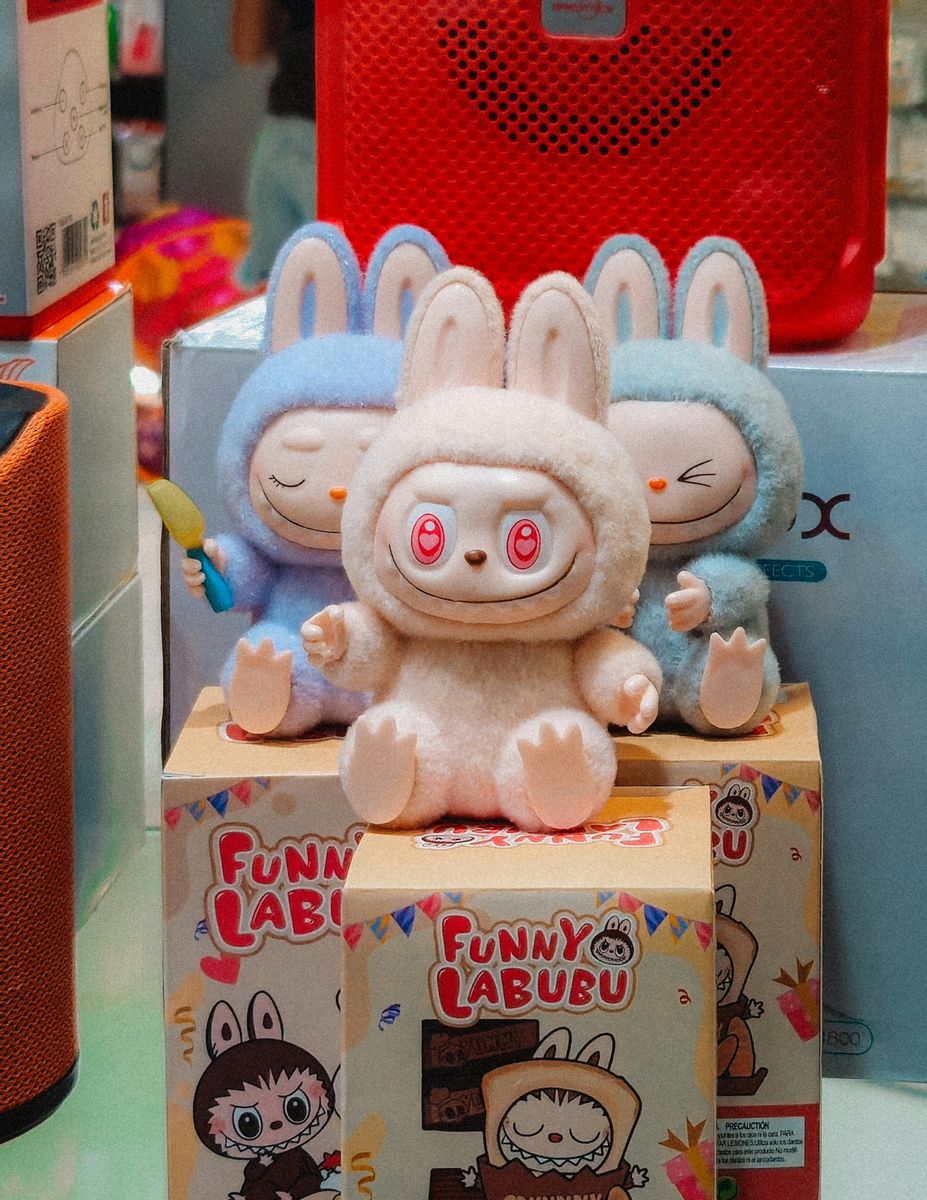
Pop Mart shares have plunged more than 30% over five trading sessions this year, erasing roughly $33 billion in market value and leaving the stock down nearly 60% from its August 2025 record high, according to reporting from The Associated Press. The Labubu craze that turned a wide-eyed, snaggle-toothed plush monster into a global obsession is now behaving exactly like the collectible manias that came before it.
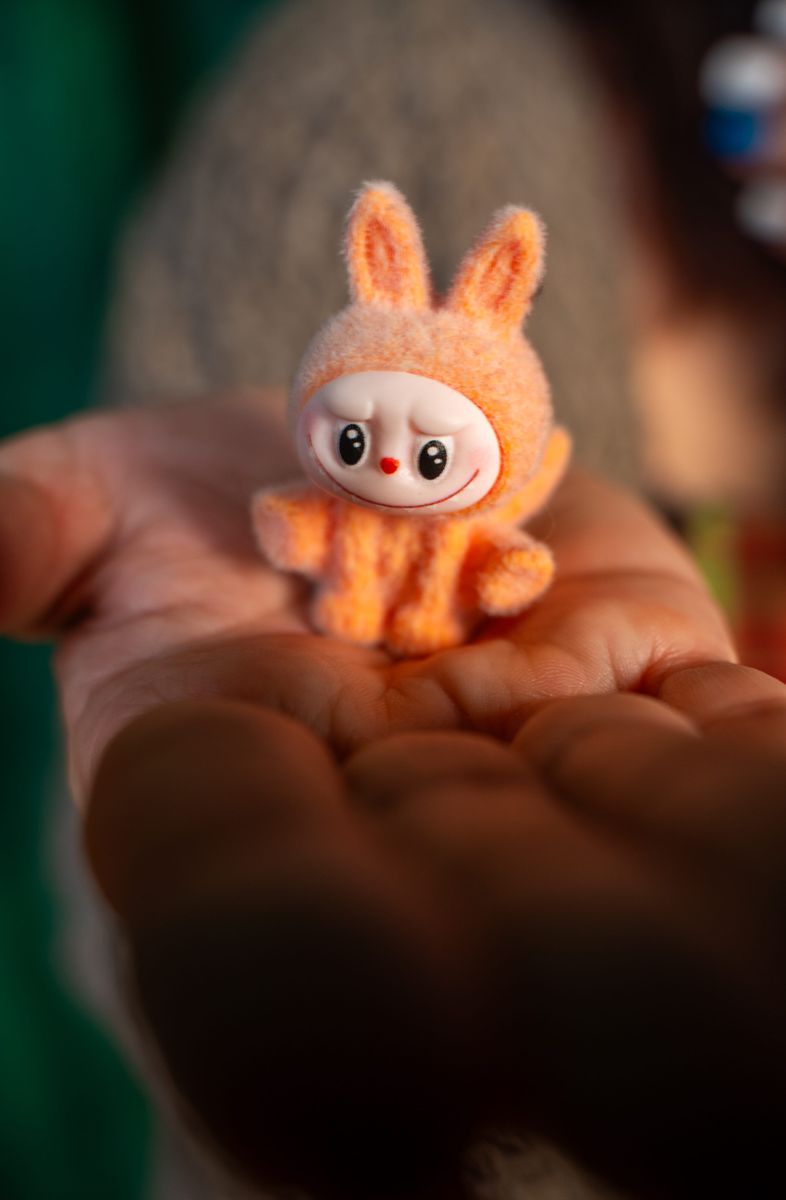
Key Points
- Pop Mart’s stock fell more than 22% in a single session in March 2026 despite reporting strong earnings, as investors grew nervous about the company’s reliance on one toy line, per CNBC.
- The “Monsters” series that includes Labubu now makes up about 40% of Pop Mart’s revenue, up from 23% a year earlier, while other character lines like Crybaby have underperformed.
- Inventory turnover climbed 21% year-over-year to 123 days, a sign shelves are moving slower than during peak Labubu mania.
- A Deutsche Bank analyst warned the market hasn’t “fully factored in a long down-cycle scenario with a much lower margin.”
None of this is unprecedented. It’s the same arc that played out with Beanie Babies in the 1990s, when $5 plush toys were reselling for thousands of dollars and Ty Inc. tried to manufacture scarcity by announcing in September 1999 that every Beanie Baby would be “retired” by year’s end. The company reversed course months later and released new designs anyway. The secondary market never recovered; within a couple of years, animals once fetching four figures were worth nothing.
It also echoes Tamagotchi, the digital pet Bandai launched in Japan in November 1996 and brought to the U.S. the following May. Within six months it had sold 5 million units in Japan alone, and by September 1997 it had cleared 70 million units worldwide, becoming, as the Smithsonian put it, “a billion-dollar global sensation” almost overnight. The American fad burned out within a single holiday season, overtaken by Furbies before most kids had finished raising their first digital pet to adulthood.
Cabbage Patch Kids followed the same curve a decade earlier. Coleco manufactured 2.5 million of the dolls for the 1983 holiday season, but demand overwhelmed supply so badly that History.com reports a Pennsylvania Zayre store was rushed by roughly 1,000 shoppers, five of whom needed hospital treatment, before its entire stock of 240 dolls sold out in half an hour. Supply eventually caught up, and the frenzy cooled into a normal toy line.
Pop Mart isn’t going out of business over this. Toy companies that ride one character too hard tend to shrink rather than disappear, and Labubu still has a devoted following. But the stock chart is telling a very old story: when a toy becomes an overnight status symbol, the unwind usually arrives just as fast as the mania did.

Leave a Reply