

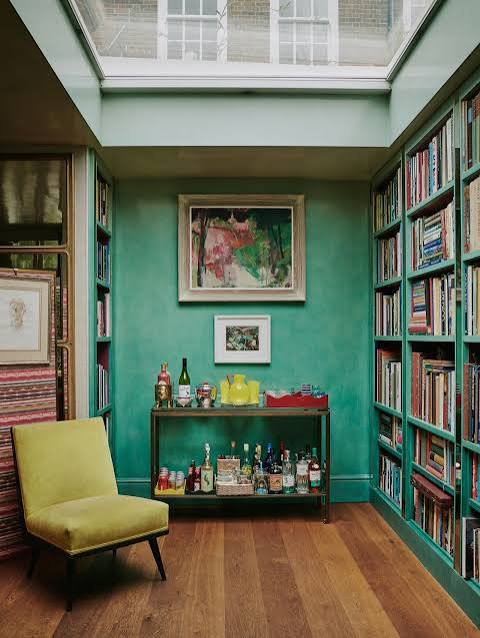
The Ban That Ended an Era of American Paint
On September 2, 1977, the Consumer Product Safety Commission announced a final rule that would permanently change what American paint manufacturers were allowed to put in a can. The agency’s own recall archive confirms the announcement banned lead-containing paint, along with toys and furniture coated in it, slashing the legally permissible lead content in paint from 0.5 percent down to 0.06 percent. The rule became binding 180 days after its formal publication, effective February 27, 1978, per 16 CFR Part 1303.
The Colors That Needed the Lead
Lead compounds weren’t an incidental additive in old paint, they were often the actual source of the color. According to the Museum of Fine Arts Boston’s own pigment-conservation reference, the CAMEO materials database, lead white served as the base for centuries of bright interior whites and pastels, red lead supplied the deep barn-red and rust tones found on countless mid-century exteriors, and chrome yellow produced the saturated mustard-and-gold yellows common in kitchens and schoolhouses.
Why the Threshold Kept Getting Tighter
The 1978 standard wasn’t the final word. Per 16 CFR Part 1303’s current text, the Consumer Product Safety Improvement Act of 2008 pushed the allowable lead content down even further, from 0.06 percent to just 0.009 percent, effective August 14, 2009 — roughly a sixtieth of the original 1977 limit.
What “Illegal” Actually Means for a Vintage Color
None of this means a specific hue is banned in the way a drug or a weapon might be. What’s illegal is manufacturing paint above the lead threshold, not the color itself — so companies that want to sell a historically accurate reproduction of a mid-century red, mustard, or bright white have to reformulate it using modern, lead-free pigments that approximate the original look. The genuine, chemically original version of those beloved shades cannot legally be produced for home use in the United States anymore, full stop.

Leave a Reply