

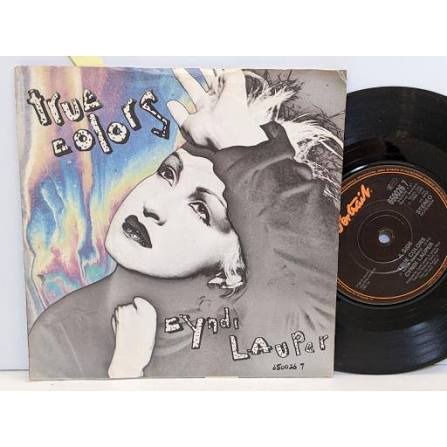
Cyndi Lauper’s “True Colors” hit No. 1 on the Billboard Hot 100 on October 25, 1986, and forty years later the title track has outgrown the album itself to become one of pop music’s most enduring anthems.
Key Points
- The album “True Colors” was released October 14, 1986, on Portrait Records, reaching No. 4 on the Billboard 200 and selling more than seven million copies worldwide, according to Lauper’s own website.
- The title track was written by Billy Steinberg and Tom Kelly, and was originally offered to and turned down by country-pop singer Anne Murray before it reached Lauper, per American Songwriter.
- Lauper has said the demo won her over instantly: “When I heard our demo, I realized it had intimacy, and intimacy was the most important thing,” she told American Songwriter.
- Lauper self-produced the album with Lennie Petze, served as her own art director, and used cover photography shot by Annie Leibovitz.
- The song earned a Grammy nomination for Best Female Pop Vocal Performance, was certified platinum by the RIAA in 2021, and Billboard ranked it No. 9 on its 2025 list of the 100 Greatest LGBTQ+ Anthems of All Time, per Lauper’s website.
The song’s path to anthem status wasn’t a marketing plan — it grew out of loss. Lauper has spoken about writing and recording the track not long after the death of a friend, Gregory Natal, from HIV/AIDS, and that grief shaped how she has treated the song ever since. She later co-founded True Colors United, a nonprofit focused on ending LGBTQ youth homelessness, and launched a True Colors benefit tour years before “ally” became a marketing buzzword. In 2022, she performed the song live at the White House when President Biden signed the Respect for Marriage Act into law.
Musically, “True Colors” was also a hard pivot from the record that made her famous. After the maximalist, synth-heavy pop of “She’s So Unusual,” “True Colors” stripped down to a plain piano ballad — a genuinely risky move for an artist barely three years into stardom, betting that a quiet song could hit as hard as her hits full of hooks and thrown-off one-liners.
Four decades on, the song has outlived nearly every other single from 1986’s Billboard charts as a piece of active cultural language, still deployed at rallies, benefit concerts and, now, White House ceremonies — proof that a ballad written in grief can end up doing more lasting work than any chart record ever could.

Leave a Reply