

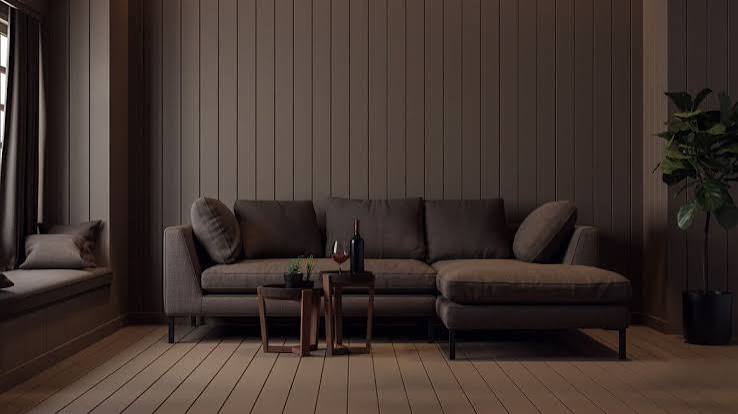
Thirty-three percent of interior designers named chocolate brown their top trending color for 2026, according to 1stDibs’ ninth annual trade survey of 468 design professionals — nearly double the 17 percent who said the same thing back in 2022. No other color in the survey’s multi-year tracking moved that far that fast, which makes chocolate brown less a seasonal favorite and more a genuine reversal of nearly two decades of interior design defaulting to gray.
The Numbers
1stDibs’ survey, conducted by the research firm Surveys & Forecasts among members of the platform’s Trade 1st Program in July and August of 2025, tracks color preference year over year, which is what makes the 17-to-33-percent jump meaningful rather than a single-year blip. The same report found burgundy surging from 7 percent to 21 percent year over year and butter yellow more than doubling from 14 to 30 percent — chocolate brown’s rise is part of a broader, multi-color pivot away from the cool grays and greige tones that dominated the 2010s, rather than an isolated trend. Separately, Houzz’s own 2026 trend research independently clocked chocolate brown search interest up 153 percent year over year on its platform — two different data sources, one measuring designer preference and one measuring consumer search behavior, arriving at the same color at the same moment.
Why Brown, Specifically
Chocolate brown carries none of gray’s clinical, showroom-ready coolness — it reads as warm, grounded, and, not coincidentally, deeply associated with the wood-paneled, leather-and-lacquer interiors of the 1970s. Unlike a true black or a stark navy, brown photographs as inviting rather than severe, which makes it easier to commit to as a dominant wall or upholstery color rather than a small accent. It also pairs unusually well with the vintage furniture designers are already sourcing more of this year — a deep brown wall or sofa gives mid-century wood tones, brass hardware, and aged leather somewhere to sit visually instead of fighting a white backdrop.
Where It’s Showing Up
Full lacquered walls are the boldest application, but most of the color’s growth is happening at the furniture level first: a chocolate brown velvet or leather sofa, a lacquered console or bar cart, or kitchen cabinetry in a deep brown instead of the black or navy that dominated the past several years of “moody kitchen” trends. Vintage furniture in genuine dark walnut, rosewood, or mahogany also benefits directly from the shift — pieces that read as slightly dated against a gray-and-white room suddenly look intentional and expensive against a chocolate-brown wall or rug.
How to Use It Without It Reading as Dated
The failure mode with a strong brown, the same way it was with the 1970s originally, is letting it go flat and monochromatic — an all-brown room with no material contrast reads heavy rather than warm. Designers pulling this color into 2026 projects are generally pairing it with lighter neutrals like cream or bone, texture contrast like a woven jute rug against a lacquered brown table, and metallic accents in brass or warm gold rather than cool chrome, which keeps the color feeling current rather than like an unrenovated basement rec room.
The Pattern Behind the Number
A color moving from 17 to 33 percent of designer preference in four years is a bigger shift than most single-season trend cycles produce, and it’s happening alongside similar jumps for burgundy and rust — collectively, the return of a genuinely warm, saturated palette after roughly fifteen years of gray dominance. Brown’s specific advantage is that it’s the warmest of the group and the easiest to live with at scale, which is likely why it’s the one designers are naming as their outright favorite rather than just an accent worth trying.

Leave a Reply