

Wall art decor searches are up 110 percent. Gallery prints are up 80 percent. Both numbers come from the same source: Etsy’s Seller Trend Report: Spring and Summer 2026, which groups them under a trend the platform calls Everyday Exhibits. Etsy’s own description of the category is specific about what’s driving it — a blend of “expressive design with nostalgic nods to childhood bedrooms, early-2000s pop culture, and the beloved objects that shaped us.” In plain terms: people are buying art and prints that recreate the visual clutter of a bedroom they grew up in, and the platform’s search data says the appetite for it is climbing fast.
What “Everyday Exhibits” actually means
Etsy’s trend report treats Everyday Exhibits as a personal-gallery concept — walls that function less like curated art collections and more like a physical scrapbook. The report specifically calls out early-2000s pop culture and childhood-bedroom ephemera as reference points, which is a narrower claim than generic “vintage” or “retro” decor. It points at a specific decade’s visual language: the poster walls, mix of band flyers, magazine cutouts, and personal photos that defined a teenage bedroom two decades ago, now being recreated deliberately as adult decor rather than left behind as a phase.
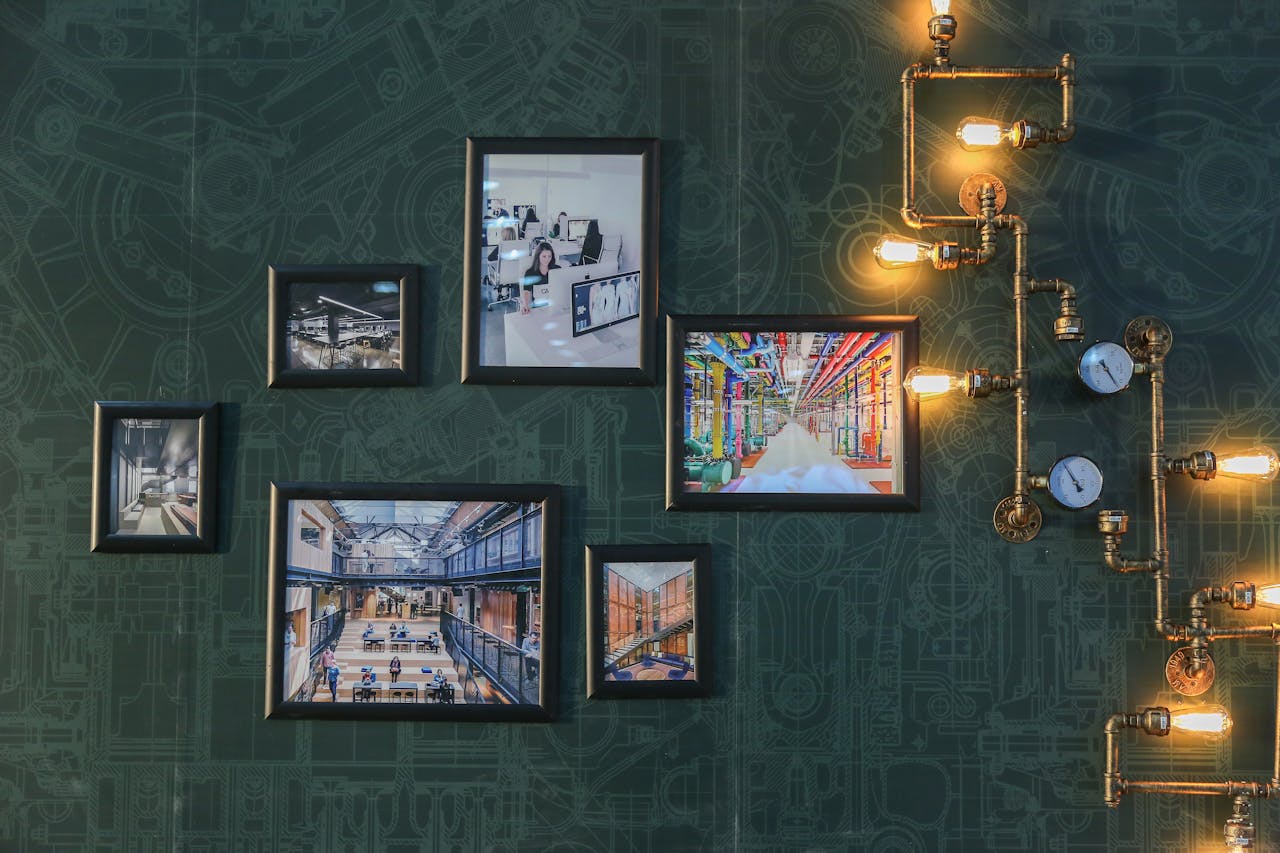
Why wall art and gallery prints move together
The two figures Etsy reports — 110 percent for wall art decor broadly, 80 percent for gallery prints specifically — describe the same shopping behavior at two different scales. Wall art decor is the umbrella category; gallery prints are the format that makes a Everyday Exhibits wall possible at volume, since building out a dense, layered wall requires buying multiple smaller pieces rather than one statement piece. The report also notes that Etsy is leaning into lifestyle imagery and gallery-wall mockups specifically to help shoppers “envision how pieces live together” — a tell that the platform sees this as a multi-item purchase pattern, not a single-print trend.

The early-2000s specificity is the tell
Etsy naming early-2000s pop culture specifically, rather than a broader “Y2K” or generic vintage label, matters. It puts the trend’s core audience at a fairly precise age band: people who were children or teenagers in the early-to-mid 2000s and are now old enough to be furnishing their own homes with disposable income. That’s a nostalgia cycle following a well-documented rhythm — roughly 20 to 25 years between an era’s original moment and its adult-decor revival — and it lines up with the same clock that brought ’90s and ’80s aesthetics back into decor rotation in recent years.
What separates Everyday Exhibits from a straightforward “buy nostalgic art” trend is the emphasis on personal, object-based ephemera rather than purely decorative prints. Etsy’s own framing — “the beloved objects that shaped us” — points toward printed reproductions of childhood-era packaging, toy photography, cassette and VHS-inspired graphics, and similar object portraiture, layered in with more traditional gallery prints. It’s decor that’s meant to read as autobiography.
Why this differs from a straightforward vintage trend
Vintage-decor trends usually reach back further than 20 years — mid-century, ’70s, and ’90s aesthetics have all had extended runs in home decor precisely because enough distance exists between the original era and the present for the look to read as historical rather than simply dated. Early 2000s is a tighter window, and Etsy naming it directly suggests the platform’s data is picking up a younger cohort of shoppers than a typical vintage-decor trend usually draws. It also means the source material is different: less mid-century furniture and ceramics, more printed ephemera, packaging graphics, and object photography specific to a decade defined by flip phones, low-rise jeans, and a very particular strain of bubble-lettered graphic design.
Reading the numbers as a category, not a fad
A single trending search term can be a fluke; two related figures climbing together — the umbrella category and its dominant format — inside a platform’s own official reporting is a stronger signal. Etsy’s Spring and Summer 2026 report treats Everyday Exhibits as one of its named trends for the season, not a footnote, and the specificity of the “early-2000s” and “childhood bedroom” language suggests the platform’s internal data is precise enough to identify a generational cohort rather than a vague aesthetic mood. For sellers and buyers alike, that specificity is the most useful part of the report: it names an era, not just a feeling.

Leave a Reply