

Striped ceilings are up 40 percent. Circus nurseries are up 50 percent. Vintage circus aesthetic searches have climbed 70 percent. And “circus interior” searches specifically have jumped 130 percent, according to Pinterest’s own 2026 trend forecast. The platform has given the look a name: FunHaus, one of 21 aesthetics its data scientists flagged as breaking out in the year ahead. The numbers point to a real shift in how people are decorating, and Boomers and Millennials are the two generations driving the search volume, per Pinterest’s data.
What FunHaus actually looks like
Pinterest’s own description of the trend, published on its Pinterest Predicts business page, sets the tone: “Think bold stripes, sculptural silhouettes and just a wink of clownish charm. The trick is balance: Pair punch-line patterns with pared-back palettes so the space feels elevated, with a touch of camp.” That balancing act is the key detail. This isn’t a literal big-top theme with red-and-yellow tents and popcorn machines. It’s stripe-heavy upholstery, sculptural furniture with playful silhouettes, and pattern used the way a good circus poster uses it — as a graphic device, not a costume.

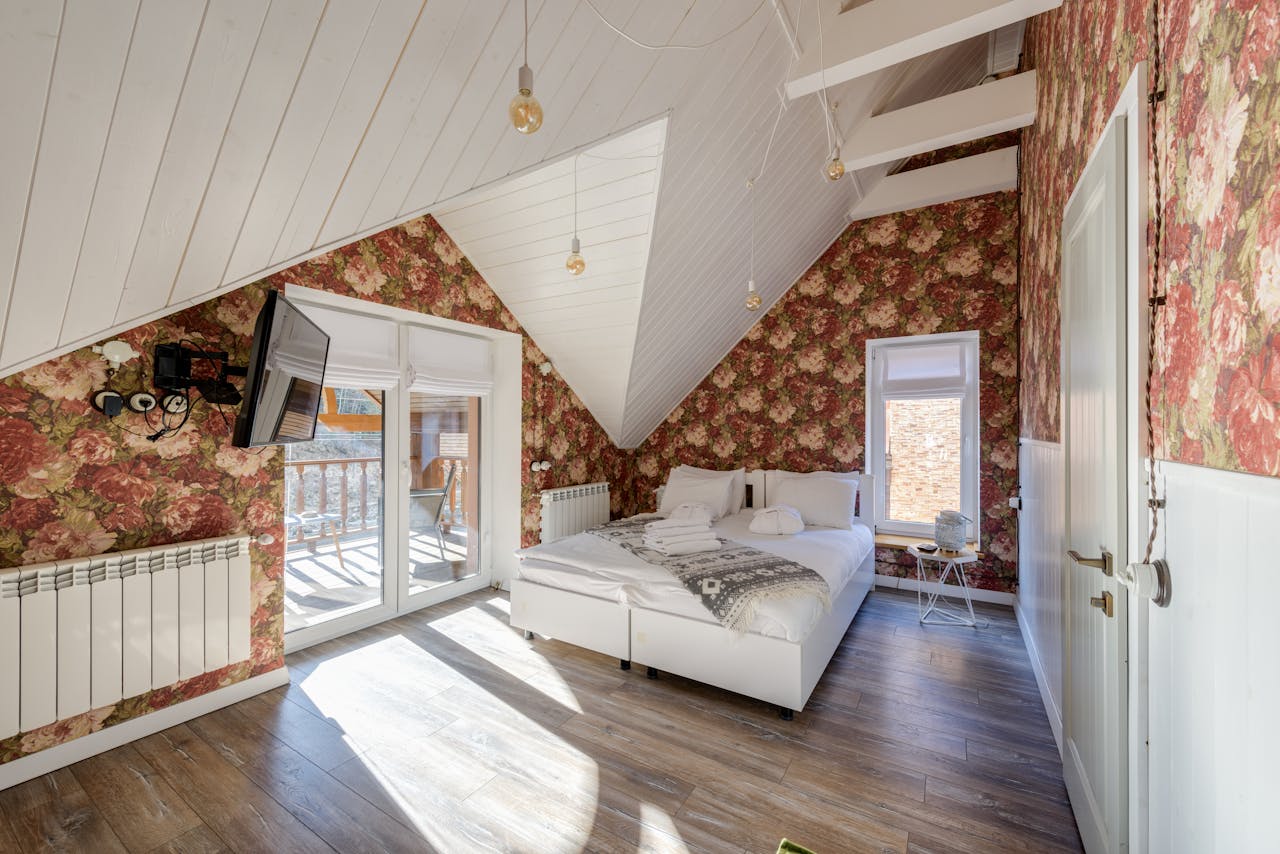
Striped ceilings, specifically, are one of the trend’s clearest signals. A striped ceiling reads as architectural rather than decorative — it changes how a room’s proportions feel without requiring a renovation, which explains why it’s an easy entry point for people testing the aesthetic. The “circus nursery” search spike is a more specific data point: Pinterest’s forecast ties the pattern-forward, sculptural sensibility to baby and kid spaces as much as adult living rooms, which tracks with the platform’s broader observation that this is a nostalgia-driven trend rather than a strictly maximalist one.
Why nostalgia is doing the heavy lifting
Pinterest’s 2026 forecast is built around three larger currents shaping all 21 trends: nonconformity, self-preservation, and escapism. FunHaus sits squarely in that last category. Axios’s coverage of the report frames the full slate of trends as evidence that people are decorating for delight and distraction rather than resale value or minimalist restraint — a pullback from the beige, algorithm-friendly interiors that dominated the past several years. A striped ceiling or a sculptural, clown-adjacent side table doesn’t photograph like a showroom. It photographs like a mood, which is arguably the point.
That two generations as far apart as Boomers and Millennials are searching for the same aesthetic is worth sitting with. Circus imagery carries different nostalgia triggers for each — traveling tent shows and variety programming for one generation, a more stylized, Instagram-and-thrift-store version of the same iconography for the other. Pinterest’s platform doesn’t distinguish motive from its search data, but the overlap suggests FunHaus isn’t a niche micro-trend confined to one age bracket the way some of the platform’s other 2026 predictions are.
The sculptural furniture angle
The “sculptural silhouettes” half of Pinterest’s own description points at furniture and object design specifically, separate from the pattern-and-color half of the trend. Think rounded, almost cartoonish forms — a lamp base shaped like a spinning top, a side table with a bulbous, top-heavy silhouette, ceramics with exaggerated curves rather than straight architectural lines. That’s a different design lineage than the stripes, closer to postmodern and Memphis Group furniture from the 1980s than to literal circus imagery, and Pinterest folding both under one trend name suggests the platform’s data scientists are tracking a broader appetite for playful, unserious shapes rather than one narrow visual reference. Vintage sellers already stocking postmodern ceramics or sculptural lighting may be sitting on FunHaus inventory without having labeled it that way.
How the numbers compare to the rest of the report
Circus interior’s 130 percent jump doesn’t happen in isolation — it’s one of 21 aesthetics Pinterest is tracking for 2026, and the sheer specificity of the sub-searches (circus nursery, circus art, striped ceiling) is what separates a genuine emerging category from a single viral image. When a platform sees growth across five or six adjacent search terms rather than one hero phrase, that’s typically the signal data teams treat as durable rather than a passing spike tied to a single celebrity home tour or viral post.
For secondhand and vintage sellers, the practical takeaway sits in the specifics: striped textiles, sculptural ceramic or wood pieces with a playful silhouette, and circus-adjacent ephemera — vintage posters, ticket stubs, carnival-glass pieces — all fall under a search umbrella that’s currently expanding rather than shrinking. Whether FunHaus has staying power past 2026 is a separate question from whether it’s real right now. The search data says it’s real right now, and it’s specific enough — striped ceilings, sculptural silhouettes, a “wink” rather than a full costume — that it reads as a design language rather than a costume party.

Leave a Reply