

For nearly seven decades, one cereal-box mascot has failed at the exact same goal, over and over, in front of an audience that keeps watching anyway. The Trix Rabbit’s entire identity is built on wanting something he can’t have — and General Mills has only let him actually get it once, and only because kids voted to allow it. The character debuted on August 4, 1959, in a commercial called “Rabbit and Carrot,” conceptualized and drawn by artist Joe Harris, at a moment when cereal companies across the country were racing to develop animated mascots that could carry a brand’s identity on television the way a jingle carried it on radio. The premise was simple from day one: the rabbit turns his nose up at a carrot in favor of a bowl of fruit-flavored Trix, and the kids on screen shut him down with a phrase that outlived every other part of the ad — “Silly rabbit, Trix are for kids.”
A Mascot Built to Lose
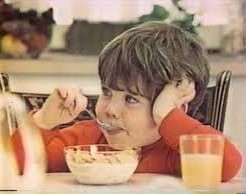
What made the Trix Rabbit different from other cereal mascots of the era was that his defining trait wasn’t confidence or charm — it was failure. Every commercial followed a near-identical arc: the rabbit devises an elaborate disguise or scheme to get a bowl of Trix, gets caught by a group of kids right as he’s about to take a bite, and gets sent away empty-handed with the tagline ringing in his ears. According to General Mills’ own corporate history of the character, that formula proved durable enough to keep the rabbit in continuous rotation on cereal boxes and in commercials for over 60 years, making him one of the longest-running mascots in American advertising.
The 1968 Vote
By 1968, the running joke had built up enough goodwill that General Mills tried something unusual: it put the rabbit’s fate directly in kids’ hands. The company ran a nationwide promotion asking children to vote on a genuinely open question — should the rabbit, after nine years of failure, finally be allowed to eat a bowl of Trix? Per General Mills’ account, “when the votes were in, it was decided — the rabbit would finally have his first taste of Trix.” For one commercial cycle, the character that had defined himself entirely through denial got what he’d been chasing since 1959.
Why the Formula Snapped Back
The 1968 victory didn’t stick, and that was almost certainly the point. A cereal mascot who successfully eats the cereal in every ad has nowhere left to go dramatically — the entire appeal of the character depended on the chase resetting every time. General Mills brought the rabbit back to his usual failing pattern in subsequent campaigns, and later marketing occasionally revisited the “let the rabbit eat Trix” premise as a novelty callback rather than a permanent change, treating the original 1968 vote as a one-time exception that proved the rule rather than a precedent.
The Artist Behind the Character
Joe Harris, the artist who conceptualized and drew the original “Rabbit and Carrot” spot, went on to create other advertising mascots during his career, but the Trix Rabbit became by far his most enduring work — a character built on a single joke that somehow never wore out its welcome with sixty-plus years of new audiences. General Mills has periodically marked the character’s anniversaries with public campaigns, including social-media promotions built around the 60th-anniversary retrospective, treating the rabbit less like an aging piece of ad history and more like an active brand asset worth continually refreshing for each new generation of cereal-eating kids. Few advertising characters from the same era have managed that same trick — staying in continuous, recognizable production for over six decades without a full redesign or reboot.
A Mascot That Outlasted the Rules Around Him
The Trix Rabbit’s run has spanned enormous shifts in how cereal is allowed to be marketed to kids — a subject that got real regulatory scrutiny starting in the 1970s as advocacy groups pushed back on Saturday-morning advertising aimed at children. He survived all of it by staying essentially the same character: eternally scheming, eternally denied, permanently a punchline that never quite lands. Sixty-plus years after “Rabbit and Carrot” first aired, the joke that a national audience of kids once voted to interrupt is still, structurally, the whole show — proof that in advertising, as in sitcoms, a character who never gets what he wants can outlast one who does.

Leave a Reply