

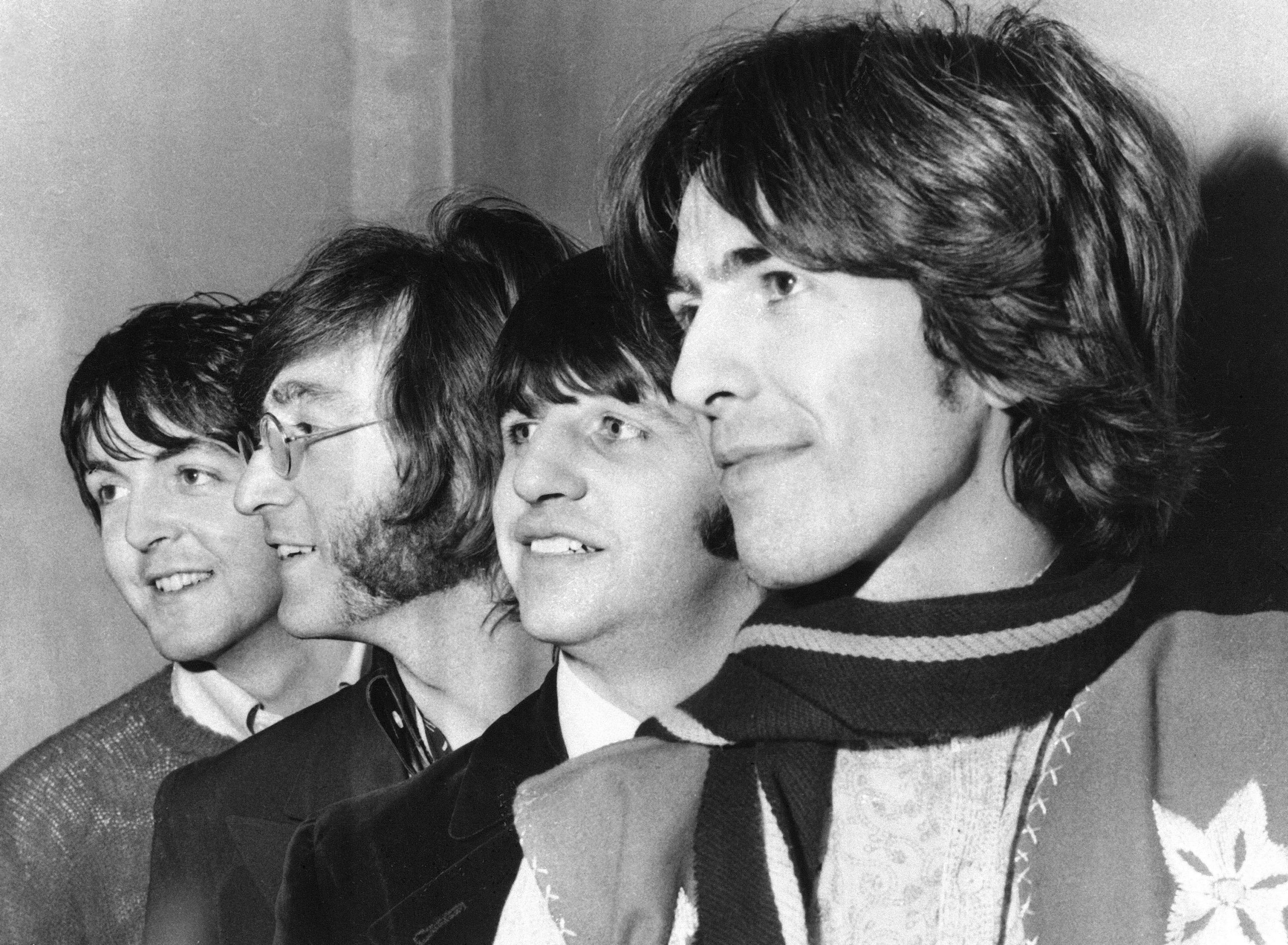
Sixty-two years ago today, on August 28, 1964, ten people crowded into a suite at the Delmonico Hotel on Park Avenue: John Lennon, Paul McCartney, George Harrison, Ringo Starr, Bob Dylan, journalist Al Aronowitz (who’d arranged the introduction), Dylan’s road manager Victor Maymudes, and Beatles associates Brian Epstein, Neil Aspinall, and Mal Evans. The Beatles were mid-tour, riding the peak of Beatlemania. Dylan was already a critical darling but nowhere near as commercially massive. What happened in that room over the next few hours is one of the most retold — and most consequential — celebrity meetings in rock history.
A Mishearing That Started It All
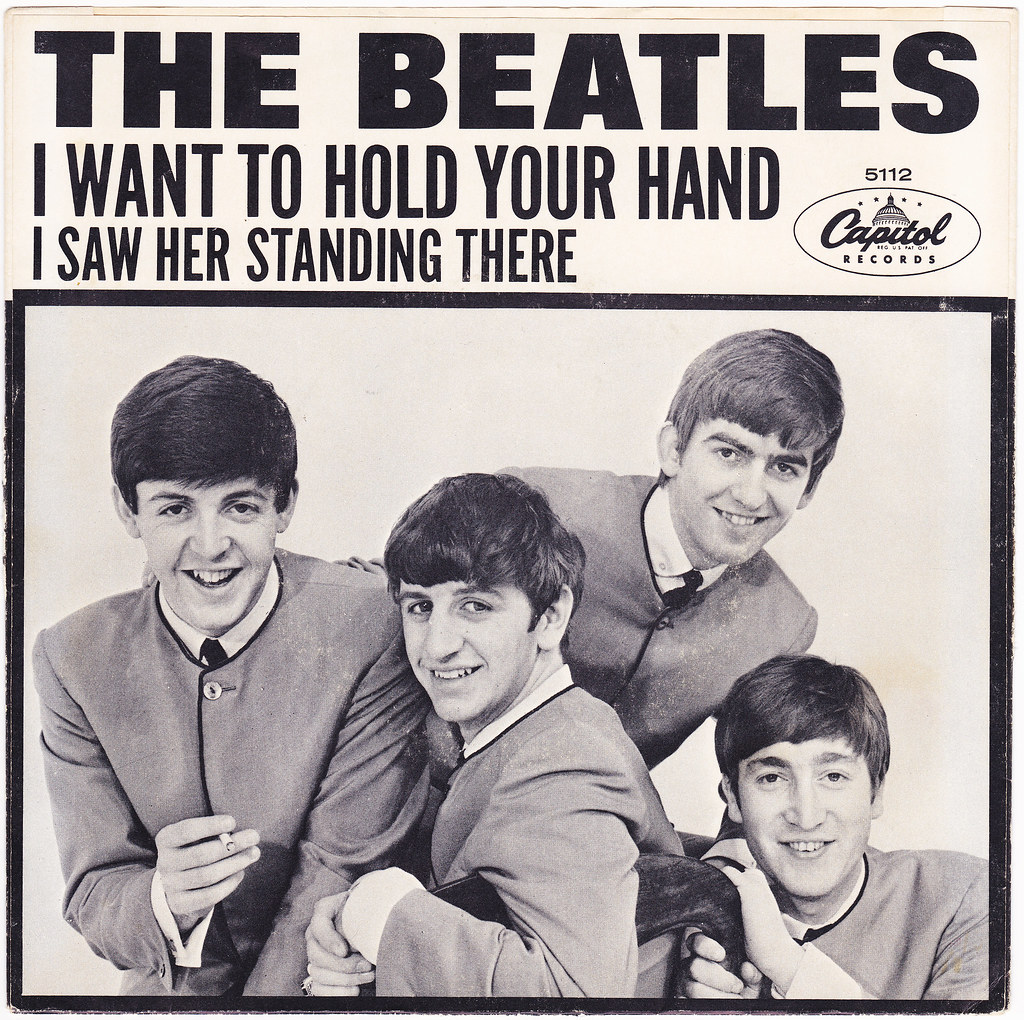
According to accounts compiled by The Beatles Bible, Dylan arrived under the impression the Beatles were already seasoned marijuana smokers — he’d misheard the “I can’t hide” lyric in “I Want to Hold Your Hand” as “I get high.” When it became clear the band had never actually smoked marijuana, Dylan introduced them to it that night. Ringo went first, reportedly ending up on the floor laughing; the rest of the band and entourage followed. Best Classic Bands’ account of the same night describes Paul McCartney, mid-high, insisting that Mal Evans write down a profound thought he’d just had — which turned out, the next morning, to simply read “there are seven levels.”
More Than a Party Story
It’s tempting to file this under rock-and-roll trivia and move on, but the Delmonico meeting mattered for reasons well beyond the anecdote. Dylan and the Beatles were, at that point, operating in almost separate lanes of popular music — Dylan the folk-scene truth-teller with a typewriter’s worth of lyrics per song, the Beatles the clean-cut hitmakers selling millions of singles built on “yeah yeah yeah” hooks. American Songwriter’s retrospective on the meeting frames the night as the beginning of a mutual influence that ran both directions afterward: the Beatles’ lyrics grew markedly more introspective and personal in the years that followed, while Dylan moved toward the electric, full-band sound that would define “Bringing It All Back Home” and “Highway 61 Revisited” the following year. Neither shift can be pinned on one hotel room alone, but biographers have consistently pointed to this exact meeting as the moment the two camps stopped circling each other and started actually talking.
Why the Timing Lined Up
The meeting happened at an unusually charged moment for both acts. The Beatles were less than a year removed from their February 1964 American arrival and still adjusting to a level of fame that had no real precedent. Dylan, meanwhile, was about to release “Another Side of Bob Dylan” and was already privately experimenting with a more personal, less overtly political songwriting style than the protest material that had made his name. Two artists mid-transformation, meeting for the first time in a hotel room with nowhere else to be — it’s the kind of coincidence that biographers love because, unusually, the facts actually support the mythology.
What Came Next for Both Acts
The years immediately following the Delmonico meeting bear out the influence biographers keep pointing back to. Dylan plugged in an electric guitar for his set at the Newport Folk Festival less than a year later, in July 1965, alienating a chunk of his folk-purist audience but permanently expanding what a “Dylan song” could sound like. The Beatles, meanwhile, moved from the relatively straightforward pop of “A Hard Day’s Night” toward the more personal, lyrically dense songwriting of “Rubber Soul” by the end of 1965 — a shift Lennon himself later credited in part to sitting with Dylan’s lyrics and realizing pop songs didn’t have to stay surface-level. Neither artist has ever framed one hotel room as the sole cause of a career-long evolution, but the timing between the meeting and both shifts is close enough that biographers treat it as a genuine turning point rather than a coincidence.
The Longer Echo
Dylan and the Beatles would go on to reference each other’s work for years — Lennon’s harmonica-driven songwriting on later albums, Dylan’s growing interest in rock instrumentation, McCartney and Dylan’s decades-long mutual admiration on record. None of that required the Delmonico meeting to have happened exactly the way it’s remembered, joints and all. But 62 years later, the date still shows up on music-history calendars for a reason: it’s the rare celebrity encounter where the “everything changed after this” claim actually holds up against what came next.

Leave a Reply