

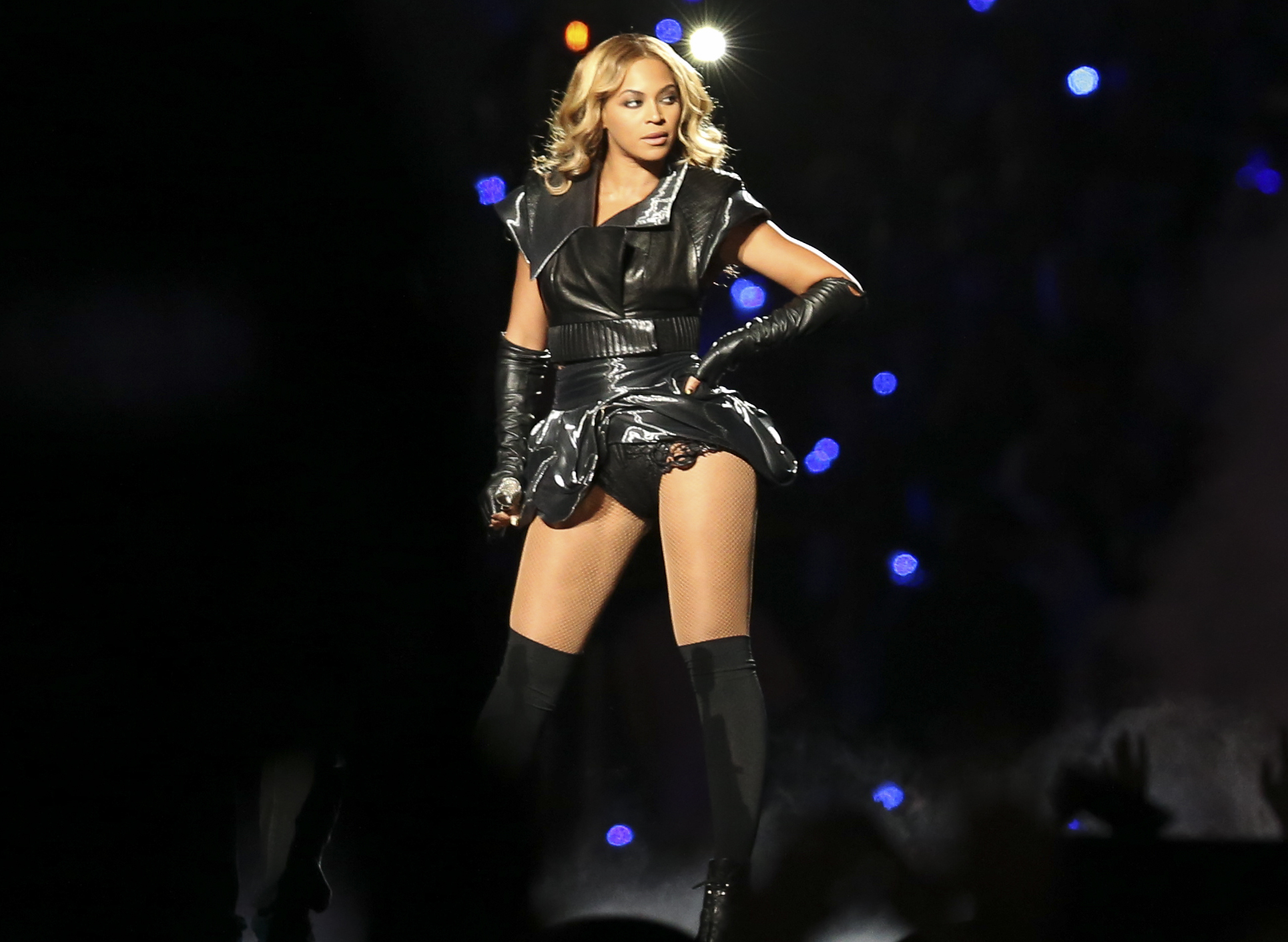
On August 28, 2016, at Madison Square Garden, Beyoncé walked away from the MTV Video Music Awards with eight moonmen in a single night, all of them tied to her Lemonade visual album, and the marquee win — Video of the Year for “Formation” — pushed her career VMA total to 24, surpassing Madonna’s previous record of 20. It happened exactly ten years ago this week, and the video that anchored the sweep, a six-minute short film shot largely in New Orleans, is still cited as one of the most analyzed music videos of the decade.
Eight Wins Out of Eleven Nominations
Beyoncé didn’t sneak up on the field that night — she went in as the clear favorite and still outperformed the odds. Mic’s coverage of the nominations put her at 11 total nods for Lemonade heading into the ceremony, more than any other artist that year, and she converted eight of those eleven into wins — a conversion rate that made the night feel less like a competition than a coronation. She wasn’t competing in an empty field, either: the same ceremony gave Rihanna the Michael Jackson Video Vanguard Award for a career-spanning medley performance, and Britney Spears delivered one of her most talked-about live sets in years as part of the broadcast, which makes Beyoncé’s sweep read less like a default win and more like a deliberate, repeated choice by voters over strong competing options.
According to NME’s rundown of the ceremony, “Formation” alone took Video of the Year, Best Pop Video, and Best Direction, Best Choreography, Best Editing and Best Cinematography, while “Hold Up” separately won Best Female Video and the long-form Lemonade film won Breakthrough Long Form Video. CBS News’s complete winners list from the night corroborates the sweep, noting the ceremony also crowned Calvin Harris for Best Male Video, Twenty One Pilots for Best Rock Video, Drake for Best Hip-Hop Video, and gave Rihanna the night’s top honorary award. Beyoncé didn’t just win the top prize — she won more of the night’s competitive categories than any other nominee combined.
Time’s coverage of the ceremony put the record-breaking context in plain numbers: with 24 career VMAs after that night, Beyoncé passed Madonna’s longstanding record of 20, making her the single most-awarded artist in the show’s history at that point. She also performed a five-song medley from Lemonade live during the broadcast, the kind of full-production moment VMA night is built around, arriving just months after the album itself premiered as an HBO special and roughly six months after her Super Bowl 50 halftime appearance — meaning the VMA sweep capped a year in which Beyoncé had already dominated television, streaming and stadium tour headlines before the trophies even arrived.

A Video That Argued With the Culture
“Formation” hadn’t been an uncontroversial pick going into the ceremony. The video, which dropped the day before Beyoncé’s 2016 Super Bowl halftime performance, wove together imagery referencing Hurricane Katrina, Black Southern identity and police violence — including a shot of Beyoncé atop a sinking New Orleans police cruiser. It drew public criticism from figures including then-New York City Mayor Rudy Giuliani, who called it “outrageous,” and prompted some police unions to call for boycotts of her subsequent tour dates, tensions that were still fresh when the VMAs handed the video its top honor months later.
That the Video of the Year win came anyway, in a room full of the industry’s own voters, mattered as a statement about which pop cultural artifact of 2016 the industry considered definitive. “Formation” beat out nominees including Adele and Justin Bieber for the top prize, a fact NME’s coverage flagged as evidence of just how decisively voters had lined up behind Beyoncé’s project over safer, more conventional pop contenders that year.
The Long Tail of One Video
A decade on, “Formation” has kept accumulating institutional recognition well past its VMA night, later winning a Grammy for Best Music Video and turning up on Rolling Stone’s and Billboard’s respective best-of-era rankings. But the VMA sweep remains the clearest single data point for how completely the industry closed ranks around the video in real time, in the same year it was generating op-eds and boycott threats. Ten years out, it’s less remembered as one more awards-show moment than as the night a visual album about grief, infidelity and Black Southern identity became, officially, the industry’s video of the year — not despite the discomfort it caused, but with that discomfort fully priced in.

Leave a Reply