

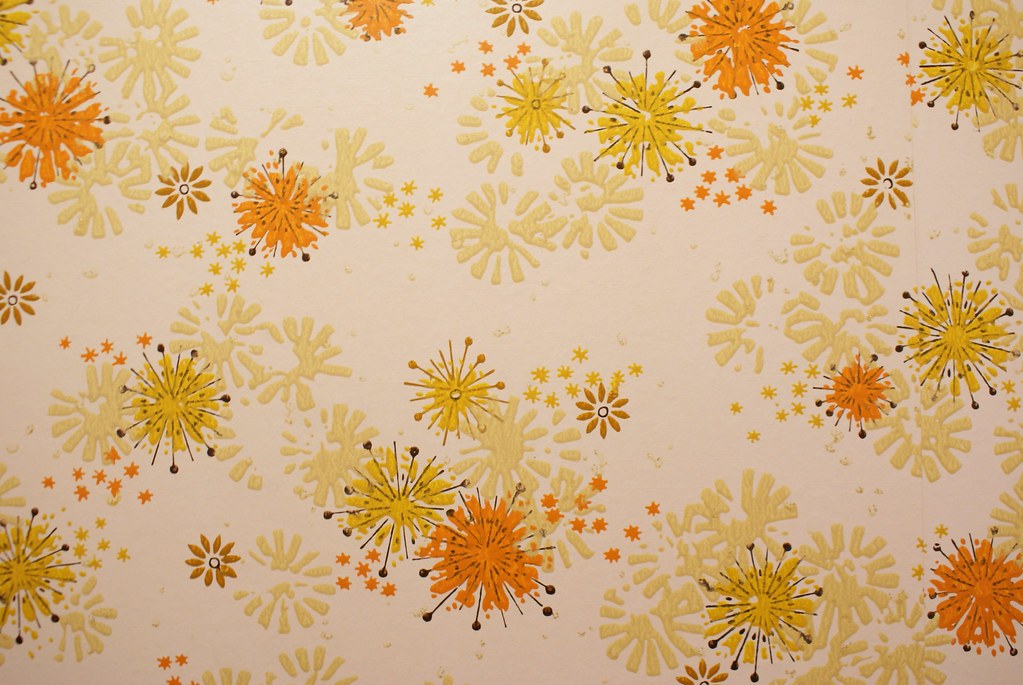
Sweden’s oldest wallpaper maker built an entire collection out of patterns it hadn’t printed in decades, pulling designs named Garbo, Schlager, and Vildvin out of storage and putting them back into production. Boråstapeter, founded more than 110 years ago in the city of Borås, released the line — called Vårt Arkiv, or “Our Archive,” according to the company’s own press release — at the end of May 2021, drawing on prints that spanned the turn of the century, Art Deco, 1950s retro, and loud 1970s colorwork. It’s not a nostalgia gimmick tacked onto a new season. It’s a manufacturer reopening its own vault and deciding the old designs were simply too good to leave there.
Digging Back Through the Pattern Books
The Boråstapeter revival was steered by Ingela Wingborg, the company’s senior designer, who went back through the firm’s own archive to select prints worth reissuing rather than commissioning anything new. “It has been so wonderful to work with these old patterns again and show them in a new light, for a new era and in new homes,” Wingborg said in the company’s release announcing the collection. Eleven patterns made the cut, including Nocturne, Madam, Jane, Gråäng, Bladverk, Anita, Alicia, and Acanthus alongside Garbo, Schlager, and Vildvin — names that read like a guest list from the decades they came from.
The company didn’t outsource the nostalgia, either. Every roll is still printed in Boråstapeter’s own factory in Borås using water-based paints on paper sourced from sustainable Northern European forestry, the same release notes, which makes the reissue less a licensing deal and more a straightforward decision to run the old plates again. Boråstapeter now sits inside the WallVision Group alongside Cole & Son, Perswall, Wall&Decò, and Pappelina — a cluster of wallpaper houses that collectively hold a staggering amount of printable design history.
An Ocean Away, a Bigger Vault Cracks Open
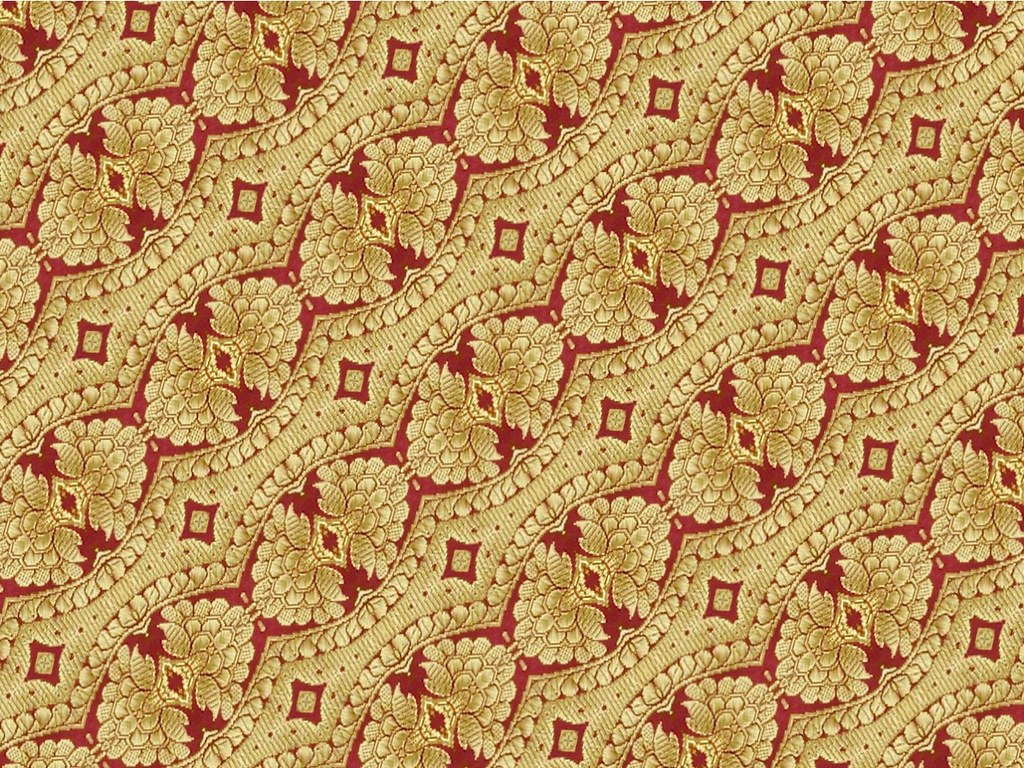
Boråstapeter isn’t the only heritage mill treating its back catalog as inventory rather than dead weight. Sanderson Design Group, the British firm dating to 1860, launched its own standalone brand simply called Archive, built entirely from pattern books the company had accumulated across a century and a half of business. “We’ve blown the doors off the Sanderson Design archive vault, unleashing 160 years of daring design,” the company said, according to coverage of the launch in Homes & Gardens. The range spans wallpaper, fabric, and made-to-order curtains and blinds, and includes designs like Golden Lily and the Art Nouveau-inflected St Sebastian pulled straight from the vault rather than redrawn from scratch.
What separates a project like Archive from a typical “vintage-inspired” launch is sourcing: these aren’t new patterns styled to look old, they’re the actual historic printing designs, reactivated. Sanderson keeps production in the UK, and the brand frames its entire identity around the idea that the archive itself — not a mood board referencing it — is the product.
Why Now
Both revivals landed at a moment when maximalist pattern was already clawing its way back into interior design conversations after roughly two decades of gallery-white walls, and heritage mills are uniquely positioned to meet that appetite without inventing anything. They already own the intellectual property, the printing know-how, and — crucially — the actual archived artwork, which means a reissue can move from storage to showroom far faster than a brand-new print developed from scratch. It’s a low-risk bet dressed up as a bold one: reissue something that already sold once, to a market primed to want exactly that look again.
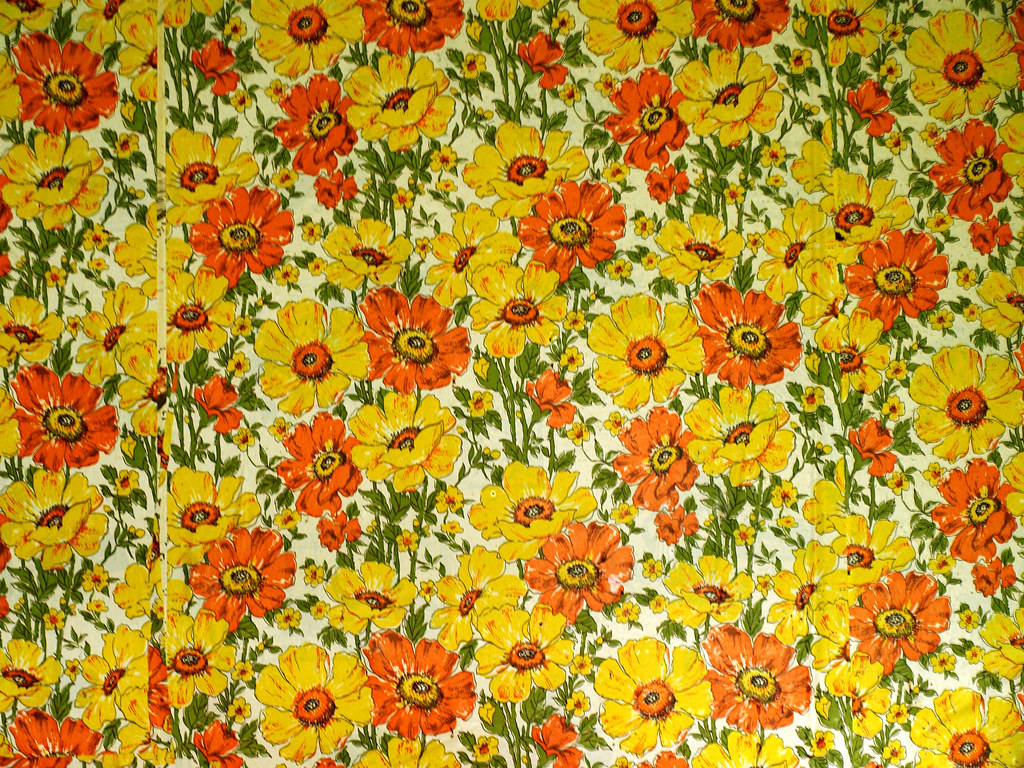
There’s also a practical reason these particular decades keep resurfacing: the 1970s produced some of the boldest, most graphic wallpaper repeats ever printed, precisely because manufacturers of that era were competing to be noticed in a crowded showroom rather than to blend into a neutral rental. That original boldness is exactly what makes a pattern like Vildvin or St Sebastian usable now — it was never designed to be subtle, so it doesn’t read as dated so much as unapologetic, which happens to be back in style.
The through-line connecting a Swedish factory floor and a British archive vault isn’t really nostalgia marketing — it’s inventory management with better branding. When the thing sitting in storage is a century of proven, beautiful pattern, printing it again isn’t a retro stunt. It’s just good business finally catching up to what was already on the shelf.

Leave a Reply