

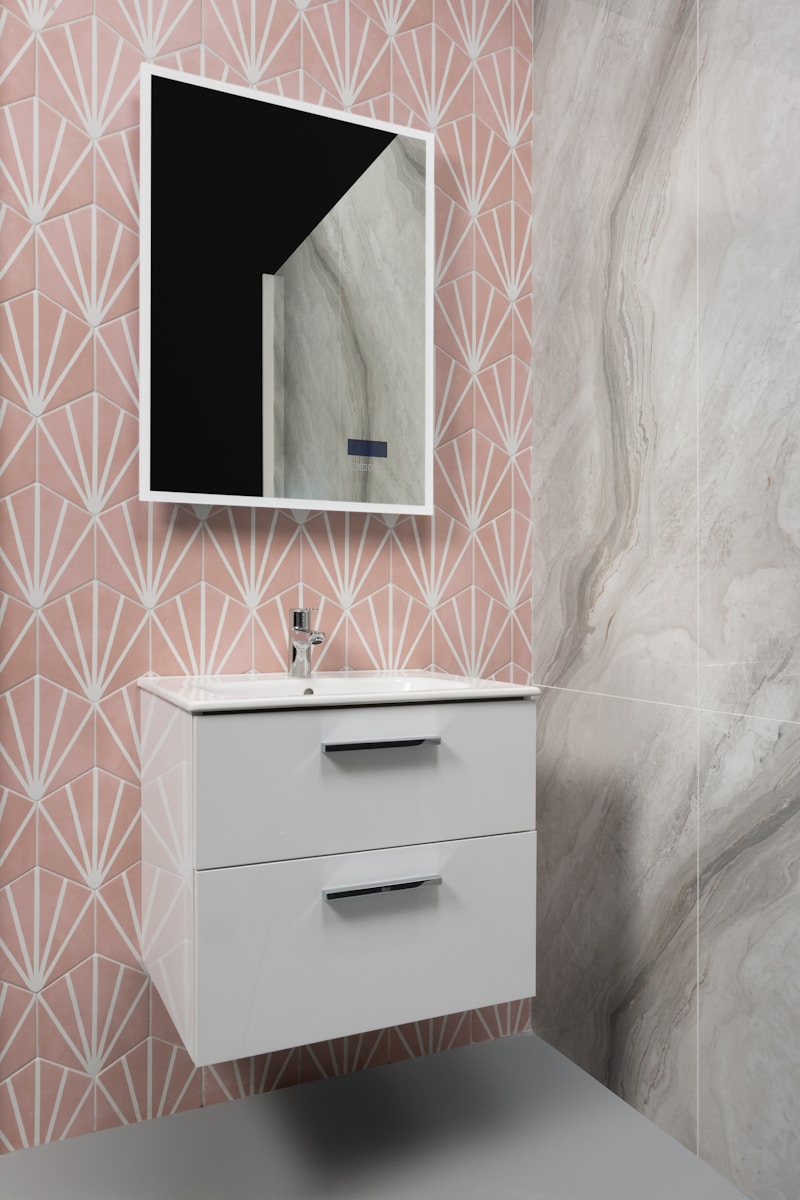
A single color choice by one First Lady left a permanent mark on American plumbing. Mamie Eisenhower’s fondness for pink was visible everywhere in her wardrobe and her decorating, and when she brought that preference into the White House during the 1950s, manufacturers and homeowners nationwide followed her lead so closely that the shade she favored still carries her name today. Decades after she left the White House, “Mamie Pink” remains shorthand for one of the most recognizable — and most divisive — color trends in American home history.
A First Lady’s Favorite Color Becomes a Household Name
Mamie Eisenhower’s affection for pink was well established before she ever reached Washington, showing up consistently in her clothing, accessories, and decorating choices, according to the White House Historical Association’s biography of Mamie Eisenhower. As First Lady from 1953 to 1961, she refreshed the White House master bedroom in the shade that would come to bear her name, and extended splashes of pink to Camp David and the Eisenhower family home in Gettysburg, Pennsylvania, per the same source. Like Eleanor Roosevelt before her, Mamie became one of the rare First Ladies to have a color named in her honor — a distinction that turned a personal preference into a design movement, according to a HistoryFacts retrospective on the trend.

How the “Pink Palace” Nickname Started
Eisenhower didn’t stop at one bedroom. She decorated extensively with pink throughout the White House residence, bathrooms included, and the sheer extent of it prompted reporters at the time to nickname the building “the Pink Palace,” according to HistoryFacts. Historians frame that shift away from traditional white sanitaryware as more than decorating whimsy — it doubled as a visual marker of postwar optimism, a deliberate departure from wartime austerity toward a softer, more domestic vision of American prosperity in the 1950s.
From the White House to the Rest of America
The trend didn’t stay confined to Pennsylvania Avenue. Fixture manufacturers had already been experimenting with colored bathrooms for decades — American Standard introduced a shade called “Rose du Barry” as early as 1929, alongside offerings like “Ming Green” and “Royal Copenhagen Blue,” according to Old House Journal’s history of colored bathroom fixtures. But it was the specific shade tied to Mamie Eisenhower that caught on hardest during her husband’s presidency, and estimates suggest roughly one in four homes built between 1946 and 1966 incorporated some form of pink bathroom, per HistoryFacts. Pink tile, pink tubs, and pink toilets became a fixture — sometimes literally — of new construction and remodels alike, a color statement that read as optimistic and modern rather than dated, exactly the opposite of how later generations would come to see it.
The marketing groundwork for that boom had actually been laid decades earlier. A 1929 Home Builders Catalog told the industry that color had arrived in the bathroom “in its fullest glory,” according to Old House Journal, and manufacturers spent the next two decades pitching colored fixtures to homebuilders, architects, and landlords as a point of differentiation. What Mamie Eisenhower’s White House added wasn’t the concept of colored plumbing — that had existed since the 1920s — but a famous, universally recognized face to attach to one specific shade, at the exact moment postwar suburban construction was accelerating fast enough to make that shade ubiquitous.
Why the Trend Eventually Faded — and Why It’s Back
The pink bathroom’s decline tracked a broader shift in American taste: as Cold War anxieties intensified and the space race took hold, design preferences swung toward colder, more futuristic palettes, and the soft postwar pastels of the Eisenhower years fell out of fashion, according to HistoryFacts’ account of the trend’s arc. Many of those original fixtures, though, were built to last, and plenty of midcentury homes still have their pink bathrooms fully intact seventy-plus years later — bathrooms that today’s renovators are just as likely to preserve as rip out, since the color has cycled back into favor with a new generation drawn to its warmth and history.
What began as one woman’s personal taste ended up outliving her presidency, her decade, and even the appliances it was originally installed in — proof that a First Lady’s bathroom redo can shape a national aesthetic more durably than most acts of Congress.

Leave a Reply