

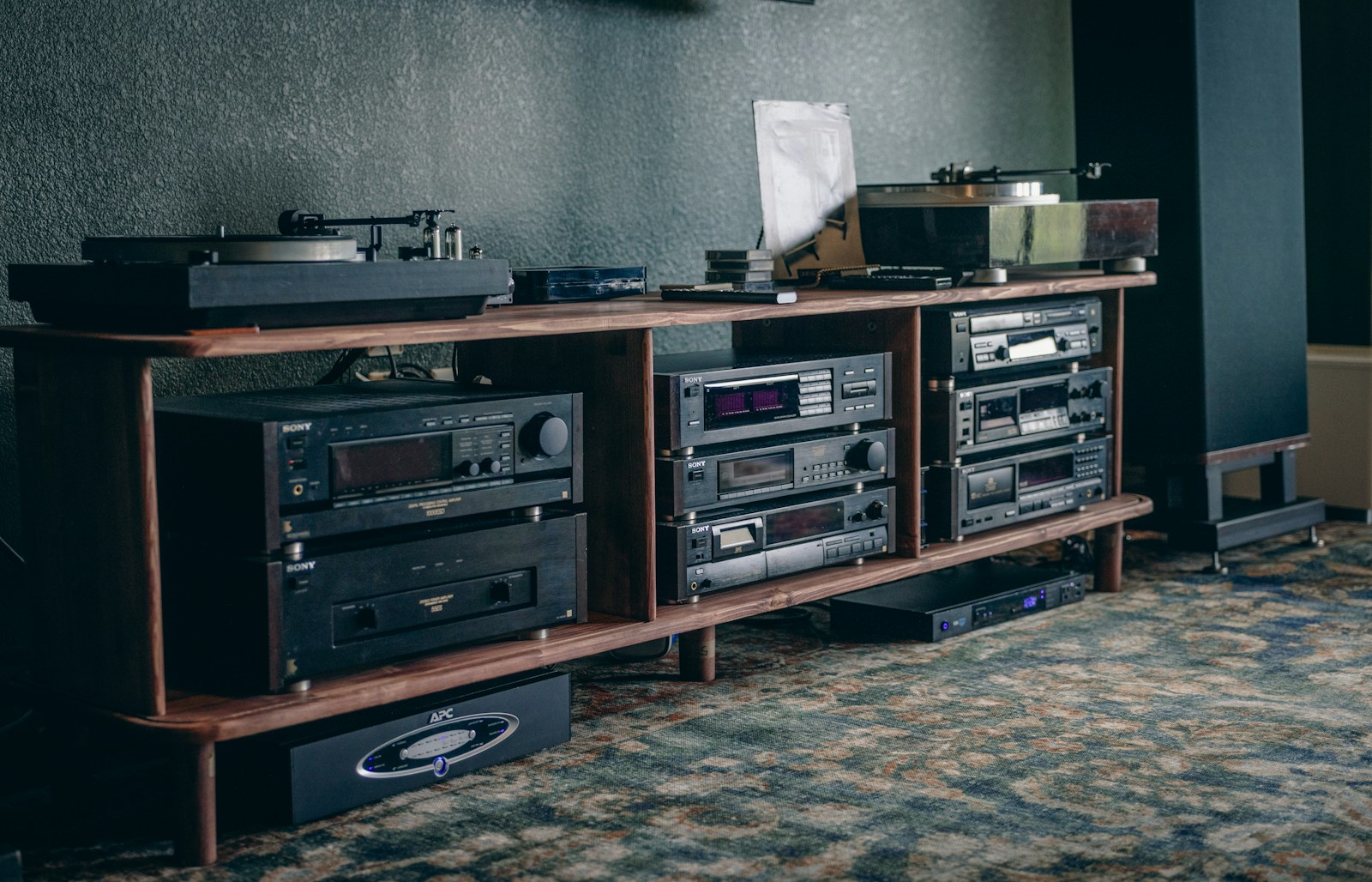
A working console stereo from the 1950s or 60s is, by most measures, obsolete furniture: too heavy to move easily, built around a turntable and tube radio nobody plugs in anymore, and designed for a living room layout most people don’t have. None of that has stopped it from becoming one of the most actively hunted pieces in vintage furniture right now — not for the electronics, but for what’s underneath the lid.
What People Are Actually Buying
On 1stDibs’ marketplace for vintage stereo and bar consoles, listings currently span from $135 pieces needing full restoration to museum-grade examples near $50,000, with the average sale landing around $4,800. The category includes stereo consoles with bars built directly into the cabinetry, modular space-age units, and combination pieces that double as end tables or dry bars — work by known mid-century names like Adrian Pearsall, Marcel Breuer, Jens Risom, and the Canadian audio-furniture brand Clairtone shows up regularly among the listings. That’s a real, active resale market, not a one-off design-blog trend piece.

Why the Cabinet, Not the Electronics
The appeal has almost nothing to do with functioning audio equipment. As Houzz’s coverage of the category puts it, these consoles were “designed with so much care” that they work as standalone furniture even with the guts removed — a stereo cabinet built in 1962 simply has better proportions, joinery, and hardware than almost anything comparable sold new today. Most buyers gut the nonfunctioning turntable and tape deck, drill a discreet hole in the back panel for modern wiring, and repurpose the cavity for bottles, glassware, or a hidden Bluetooth speaker.
How People Are Styling Them
The refinishing approach varies by how loud you want the piece to read. Some owners lean into “a punchy color to give it a mid-century kick,” per Houzz — one example cited involved painting a laminate cabinet cherry red with white hardware for what the piece described as a Regency Glamour look, paired with black accents. Others go the opposite direction, choosing Scandinavian blond-wood consoles that read as quiet and minimalist next to contemporary furniture, or seeking out gold-leafed armoire-style cabinets modified with sliding doors to hide the speakers entirely. For anyone not ready to gut an original, both CB2 and Urban Outfitters currently sell reproduction stereo-style bar cabinets at prices comparable to a real vintage find in fair condition.
A Parallel Trend, Same Instinct
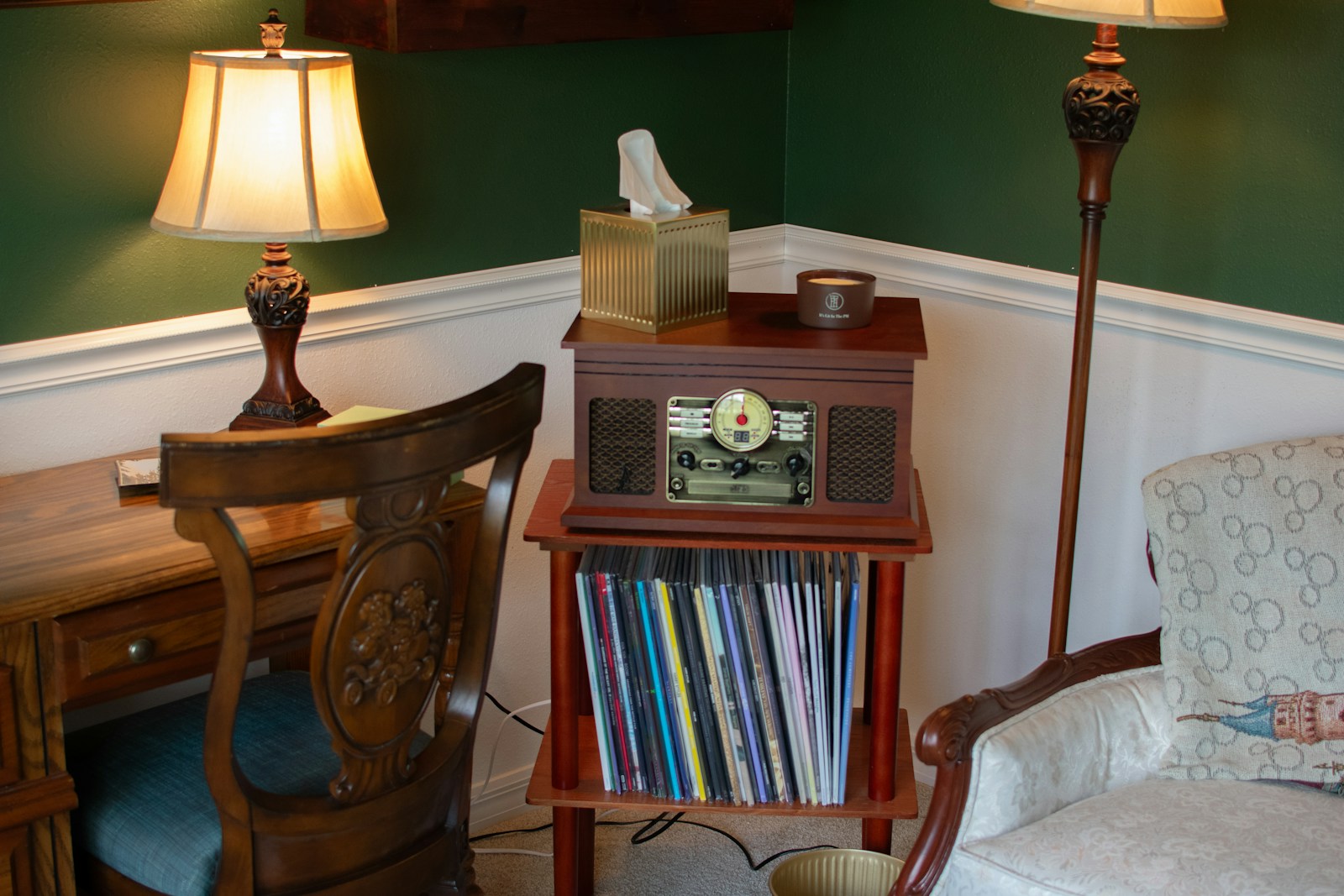
The pull toward physical, furniture-grade audio isn’t limited to salvaged vintage pieces, either. Wallpaper’s coverage of the current hi-fi furniture market points to a wave of new brands — among them H Miller Bros, Wrensilva, and Miniforms — building cabinet-scale speaker and turntable furniture explicitly because streaming audio has become invisible, and people want something in the room that “puts your love of music on show,” as one of those designers put it. New consoles built to look vintage are effectively chasing the same instinct that’s sending shoppers to estate sales for the real thing: a physical object in the living room that signals someone cares about how music sounds and looks, not just that a speaker exists somewhere in the house.
What to Check Before You Buy One
Weight is the first practical issue — a full console with intact electronics can run well over 150 pounds, so plan the move before the purchase, not after. Second, decide up front whether you want to preserve any working audio components (a functioning tube amp adds real value to collectors) or whether you’re comfortable gutting the cabinet entirely for storage. And because the category spans everything from unbranded 1960s department-store consoles to documented designer pieces, it’s worth learning to spot maker’s marks or hardware details before paying near the top of that $135-to-$50,000 range.
It’s also worth checking condition on the parts nobody photographs well: veneer that’s lifted or water-stained on the top surface, hinges and latches that no longer sit flush, and any sign the cabinet has been stripped of its original hardware and fitted with mismatched replacements. Those details separate a $200 estate-sale find that just needs cleaning from a $200 estate-sale find that needs a cabinetmaker. Given how wide the current price spread runs — from three-figure fixer-uppers to five-figure documented designer pieces on the same marketplace — condition is doing most of the work in where a given cabinet lands on that scale.
What used to sit quietly in a den holding a family’s record collection is now doing the same job it always did — anchoring the room and holding what people are drinking — just with the turntable swapped for a bottle of gin.

Leave a Reply