

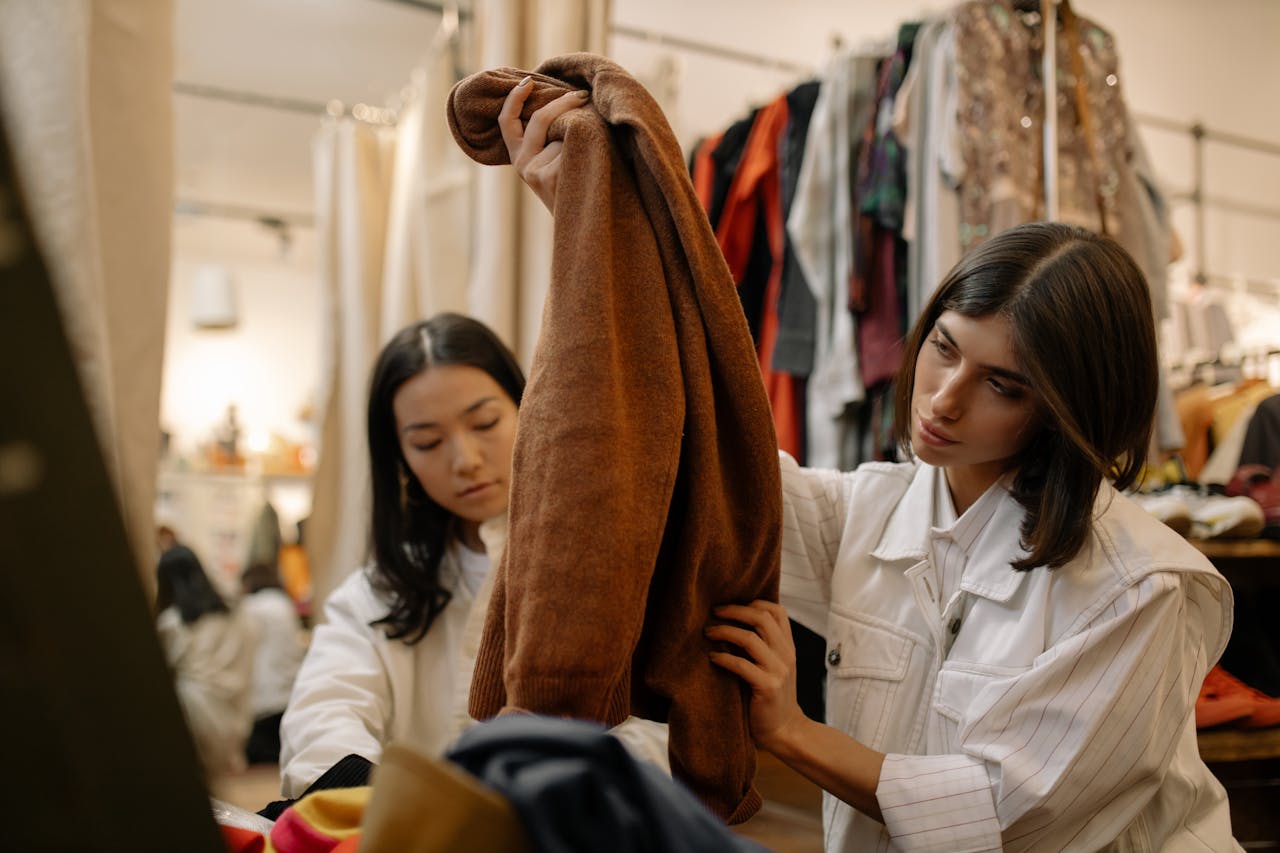
Global resale just crossed a number worth sitting with: $393 billion by 2030, according to ThredUp’s newly released 14th Annual Resale Report. That’s a projection built on 2025 sales data showing the secondhand market already growing at nearly double the pace of the apparel industry as a whole. In the U.S. alone, resale is expected to hit $78.8 billion by 2030, powered by a domestic market that grew roughly four times faster than traditional retail clothing in 2025. For anyone who’s spent an afternoon hunting a thrift rack for a specific decade or a specific label, the industry finally has numbers to match the obsession.
The Math Behind the Moment
The $393 billion figure represents about 10% of total global apparel spending, and ThredUp’s data, compiled with the research firm GlobalData, projects the global secondhand market expanding at roughly 9% a year between 2025 and 2030, twice the growth rate of the overall apparel market. The 2025 numbers alone tell the story: secondhand sales grew 13% while new apparel sales were nearly flat, according to the report. In the U.S., that gap is even starker: resale is now outpacing broader retail clothing sales 4X, with an additional $23.3 billion in value expected to enter the market as the shift plays out. The projections aren’t pulled from a press release’s imagination, either: ThredUp built this year’s report on GlobalData analysis, a survey of 3,268 U.S. consumers, and interviews with 50 fashion brands, giving the “14th Annual” in the title some actual weight behind it.
The Bottleneck Isn’t Shoppers — It’s Inventory
What makes this year’s report different from past editions is where it locates the growth ceiling. It isn’t demand. ThredUp CEO and cofounder James Reinhart put it plainly in the report: “Resale is no longer just growing, it’s taking direct market share. In 2025, the U.S. secondhand market grew nearly 4X faster than the broader retail clothing market. The next phase of this market will be defined by who can best unlock supply and use AI to connect that inventory with the next generation of shoppers.” In other words, the constraint on how big resale gets isn’t whether people want a $12 pair of vintage Levi’s — it’s whether enough of them show up on a rack or a listing page in the first place.
Gen Z Is Writing the Next Chapter
The generational math backs that up. ThredUp’s report finds that 71% of all secondhand market growth through 2030 will come from Gen Z and Millennial shoppers, a cohort the report describes as largely new spending rather than money simply shifted from other retail categories. Increasingly, that spending isn’t even happening on dedicated resale apps — nearly half of secondhand discovery now happens on social platforms and influencer feeds rather than traditional marketplaces, per the report. It’s less a store and more a scroll: someone posts a haul video, tags the brand, and a decades-old cardigan finds a second closet within the hour.
What “Unlocking Supply” Looks Like on the Ground
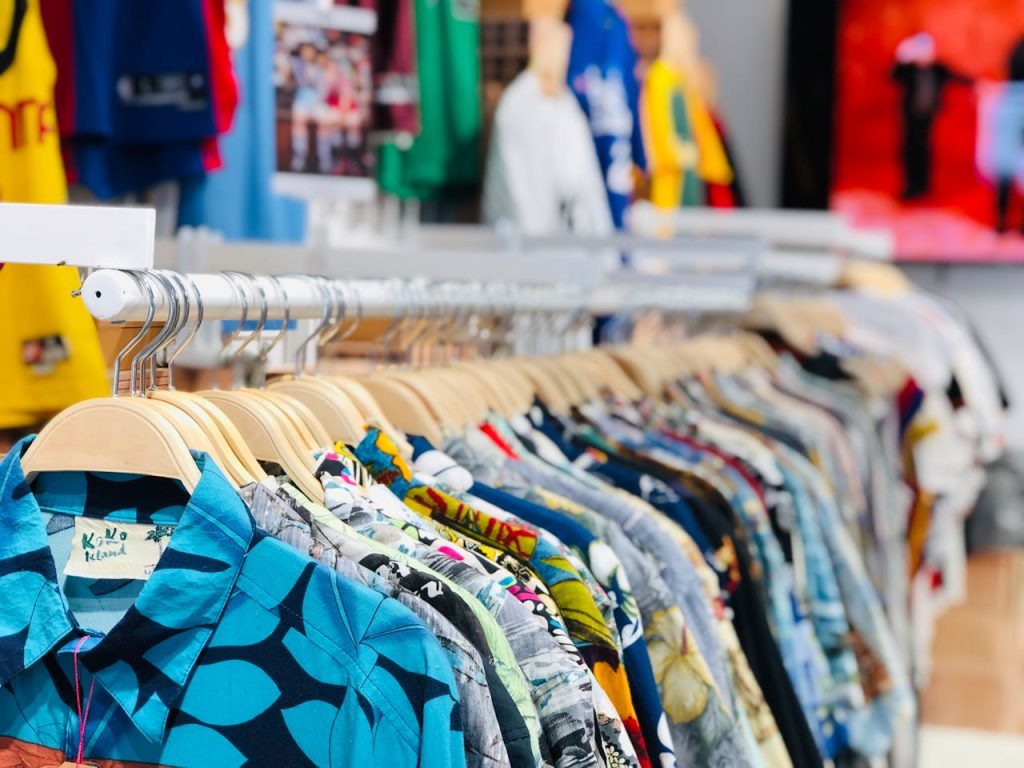
Reinhart’s inventory problem isn’t abstract if you actually shop secondhand. Every collector who’s ever hit six estate sales in a weekend looking for one specific denim jacket already understands the constraint the report is describing in corporate language: there is only so much good stuff in circulation at any given moment, and the market’s growth depends on more of it surfacing: from closets, from donation bins, from the consignment racks that used to be a niche errand and are now a category retailers are racing to compete in. The report’s framing treats that as a business problem to be solved with better logistics and AI-assisted listing tools. Anyone who thrifts for a living, or just for fun, would call it Tuesday.
New Clothes Are Losing the Race
Maybe the starkest line in the whole report is the one comparing resale directly to retail’s new-goods pipeline. Over the next five years, ThredUp projects secondhand growing twice as fast as the rest of the fashion industry combined, effectively outpacing new clothing sales two-to-one. WWD’s coverage of the report frames the shift as fashion moving from an acquisition race, brands and platforms fighting to sign up first-time resale shoppers, into a fight for wallet share among people who already buy secondhand and are simply buying more of it.
None of this is really a story about spreadsheets. It’s the same instinct that sends someone digging through a bin for a specific concert tee or a redline-selvedge pair of jeans, now showing up in a market-research report with a dollar sign attached. The thrift rack didn’t change — the accounting around it finally caught up to what regular shoppers already knew.

Leave a Reply