


Vintage accents are having a real moment in the U.S. housing market. Mentions of vintage details in for-sale listing descriptions rose 17 percent year over year, according to Zillow’s 2026 home trends report, released in October. Artisan craftsmanship references climbed even further, up 21 percent, and mentions of whimsical touches gained 15 percent. Meanwhile, two once-dominant selling points are cooling off fast: marble sink mentions dropped 15 percent, and man cave references fell 10 percent. Zillow pulled the numbers from an analysis of millions of active U.S. listings, tracking the exact words agents reach for when they want a house to stand out. The pattern underneath it is blunt: buyers are tired of homes that all look the same.
What Buyers Are Chasing in the Listing Copy
The company’s own release frames the shift as a rebellion against sameness. “Cookie-cutter design is fading as homeowners lean into individuality,” Zillow’s home trends expert, Amanda Pendleton, said in the report, adding that the change is showing up “from handmade tiles to bespoke décor.” Zillow’s data team essentially read listing copy the way a copywriter would, flagging which phrases were showing up more often this year than last. Artisan craftsmanship edged out vintage accents as the fastest-growing phrase in the personalization category, and both outpaced the broader push toward saturated color that anchored the rest of the report.
What “Vintage” Actually Looks Like on a Listing
None of this is abstract. The examples Zillow points to are specific: hand-glazed tile, one-of-a-kind hardware, décor that reads as chosen rather than ordered in bulk. Outlets covering the report grouped that vintage-and-artisan bump with some of 2026’s other unusual buyer asks, including reading nooks and backyard pickleball courts, as further evidence that house hunters now want a property that reflects a specific life rather than a real estate template. That tracks with something record hunters and thrift shoppers already know cold: an object with a past sells itself. A tile that looks machine-stamped reads as builder-grade. A tile with a visible thumbprint reads as chosen on purpose.
The Slow Fade of the Marble Sink and the Man Cave
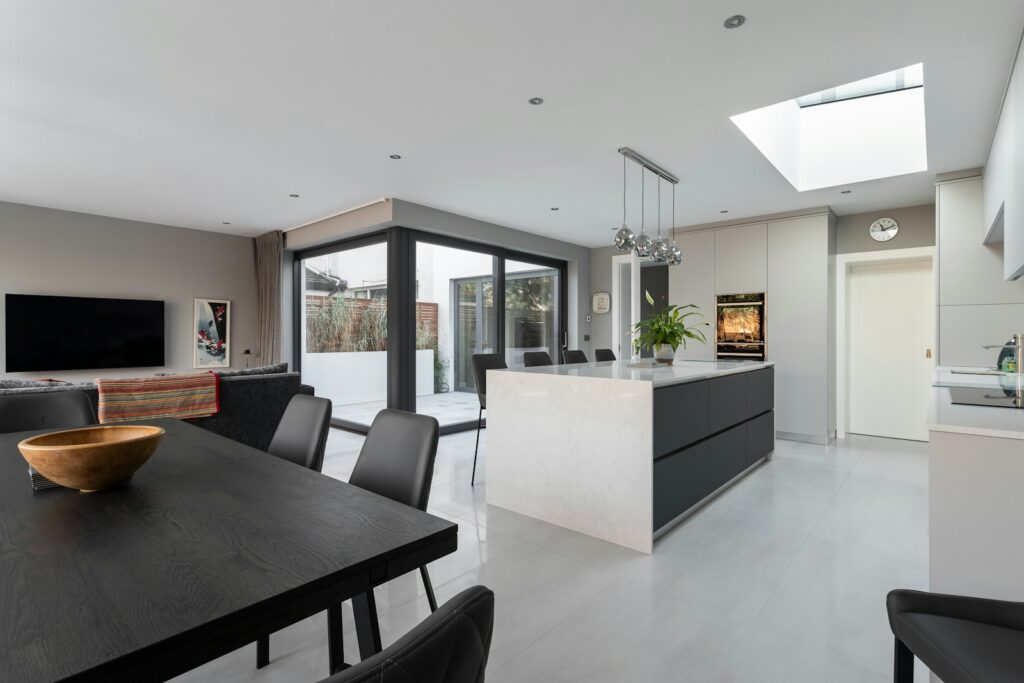
On the other end of the trend line, two 2010s real estate darlings are losing their grip. Marble sink mentions are down 15 percent, which Zillow attributes to the stone being “high-maintenance and prone to staining, making them less practical for busy households.” Man cave references dropped 10 percent, a sign that the single-purpose den built around one hobby is losing ground to rooms built around a life, not a label. Trade press covering the same data read it as part of a bigger pivot away from the gray-on-gray minimalism that dominated listing photos for the better part of a decade. Floor Daily, covering the report for the flooring industry, described the overall shift as a move “toward maximalist territory,” with personality-driven detail replacing the neutral palettes that once photographed safely for every buyer.
A Market Catching Up to Secondhand Culture
It’s worth being precise about what the data does and doesn’t show. Zillow isn’t measuring sales prices or appraisals here, only the language sellers’ agents choose when they write a listing, which means it’s really a snapshot of what agents believe will catch a scrolling buyer’s eye. But that’s exactly why it matters. Listing copy is written to sell, fast, to a stranger scrolling on a phone, and for years the safest words in that copy were the blandest ones: updated, move-in ready, neutral palette. An agent choosing to write “vintage” or “artisan” instead is making a bet that a buyer will read those words as a selling point rather than a warning sign. Zillow’s numbers suggest that bet is paying off more often than it used to.
None of this means vintage is a trend with an expiration date stamped on it. It means the version of “move-in ready” that agents were selling five years ago, flat gray walls, quartz counters everywhere, a barn door hung for no structural reason, has stopped being the automatic selling point it once was. A house that looks like it belongs to somebody in particular, mismatched cabinet hardware, an inherited hutch, a hand-glazed backsplash, now reads as the upgrade instead of the compromise. The real estate market is only just catching up to what secondhand shoppers and record collectors figured out a long time ago: the object with a story beats the object with a price tag, every time.

Leave a Reply