


A heart-failure patient is questioning the authenticity of his family’s support after being discharged from the hospital. Initially, he felt surrounded by love and encouragement during his stay, but the warmth has all but evaporated now that he is home. Facing a financial crisis and the impending loss of his possessions, he is left reeling and uncertain about how to handle his relationships moving forward.
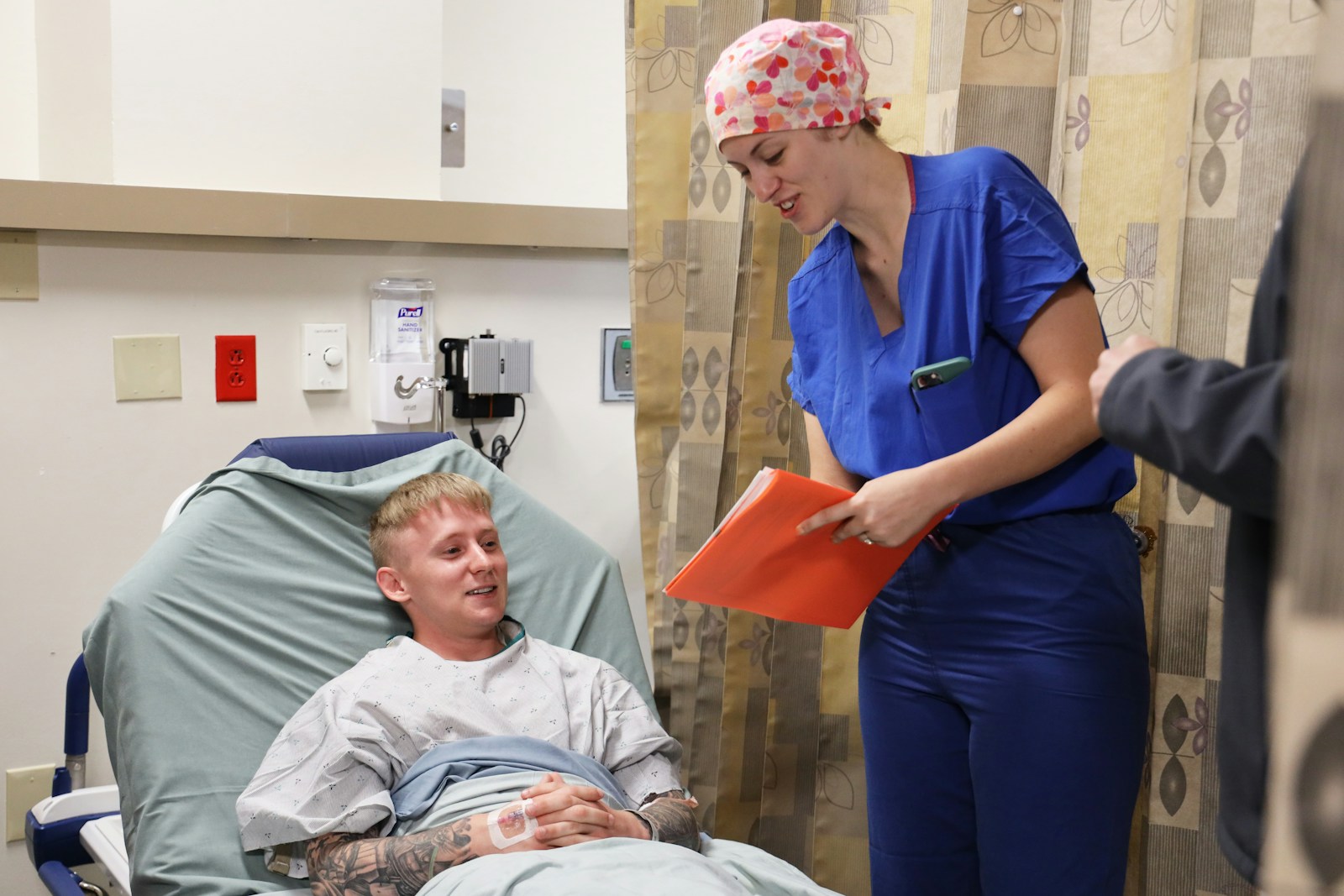
The patient, who shared his story on Reddit, was diagnosed with heart failure in November. During his hospitalization, he received continual support from family, which provided him with the strength to endure a challenging time. As he battled his health issues, their presence gave him a sense of hope and community.
However, after returning home, that support faded quickly. Now, without a steady income and feeling abandoned, he is concerned about losing everything he owns. He expressed frustration over his family’s lack of financial assistance during this tough period. What was once a circle of care has turned into a source of stress, amplifying his health concerns and emotional burden.
The patient confronted his feelings of disillusionment head-on. He began to notice that his family’s interest in his wellbeing only peaked when he was in the hospital. Now that he is home, that attention has faded, leaving him to navigate his health challenges and financial struggles alone. This realization has led him to consider withholding future health updates from relatives, fearing they only care when it suits them.
His situation raises questions about genuine support versus opportunistic affection. The patient feels that disclosing information about his heart condition could lead to further disappointment, as he believes his family’s concern fluctuates based on their convenience. The pain of this realization has him pondering whether sharing his struggles is worth the potential isolation from family members who seem only to step in when it’s convenient.
Many people can relate to the disconnect that can occur in family dynamics, especially during times of crisis. One reader expressed empathy, stating that it’s common for families to rally during significant health scares but then retreat once the immediate danger appears to have passed. Another reader pointed out that true support often translates into action, particularly when financial issues arise, emphasizing that emotional support does not always equate to tangible help.
This patient’s story highlights a prevalent issue many individuals face: assessing the reliability and sincerity of family support systems during crises. The heart-failure diagnosis should ideally have brought family closer together, but the lack of ongoing, tangible support has instead created a rift that the patient now must navigate alone.
As he considers his next steps, the patient feels torn between keeping his family in the loop and protecting himself from further disappointment. He is left wondering if he is overreacting to the situation. Can he trust them to care beyond the immediate moment? Should he even share updates about his health if it only leads to hurt and frustration?
In grappling with these questions, he realizes that the issue is not merely his health but his relationships with those who are supposed to care for him. The uncertainty of being without a reliable support system weighs heavily on him, leaving him feeling more isolated than ever. In his heart, he hopes for a change in his family’s behavior, but he isn’t sure it will come.
The complexity of family support during tough times is undeniable. It becomes especially challenging when health complications arise, and individuals find themselves navigating not just their physical ailments but also emotional ties and familial obligations. The patient must now decide whether to open up about his struggles or shield himself from potential rejection and disappointment.
This situation illustrates the difficulty of trust within family dynamics, particularly when facing severe health challenges. As the patient reflects on his family’s recent behavior, he struggles to reconcile the love he once felt with the disappointment that seems to follow him home. As he contemplates the future, he remains uncertain about how to maintain family connections or whether doing so would be a source of comfort or stress.
More from Vinyl and Velvet:

Leave a Reply