

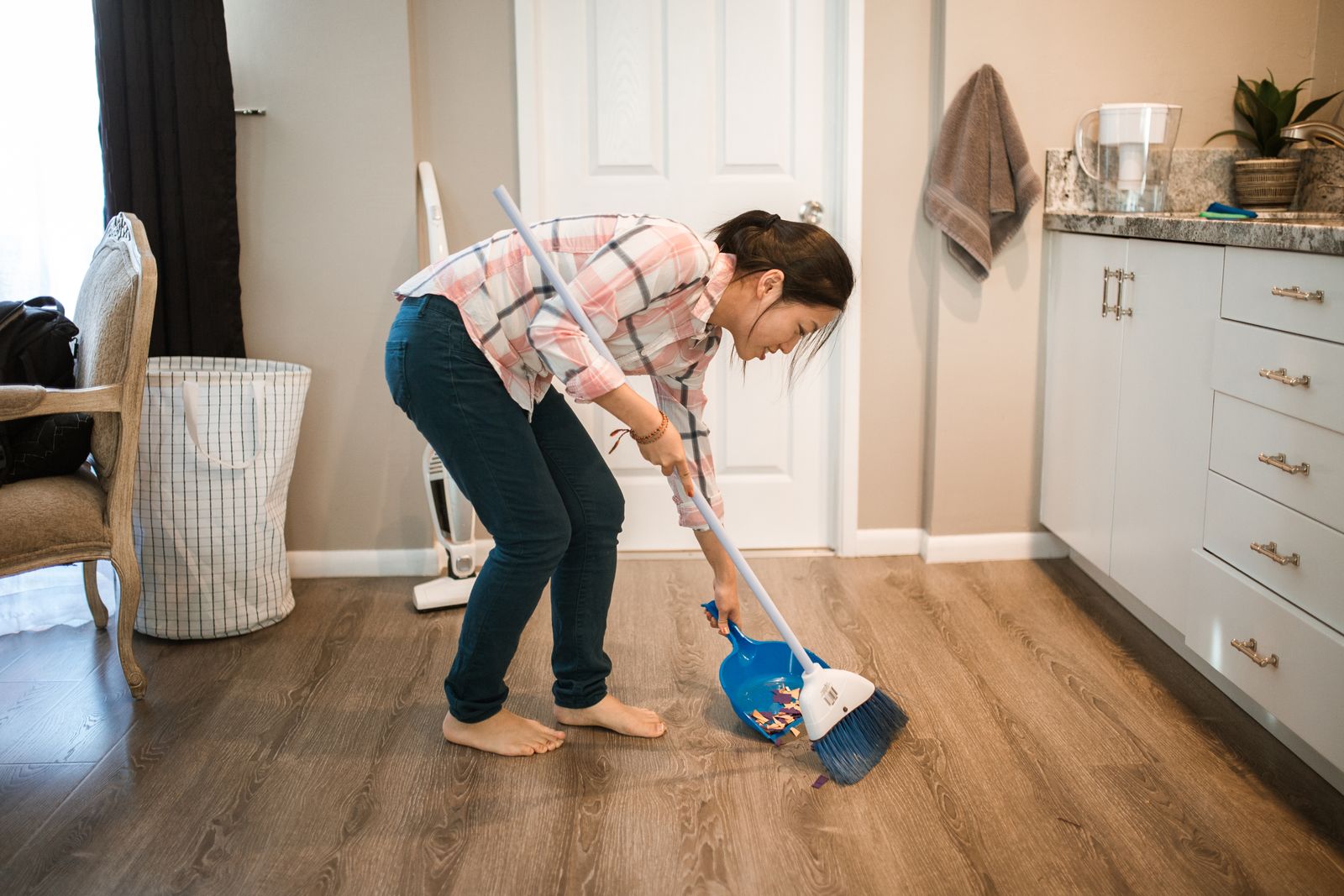
An unemployed family member recently shared their frustration on social media after attempting to clean their entire house for working relatives. They hoped to create a comfortable environment for their parents and brother, who often returned home exhausted from their jobs. However, the effort backfired, leaving them feeling unappreciated and overworked.
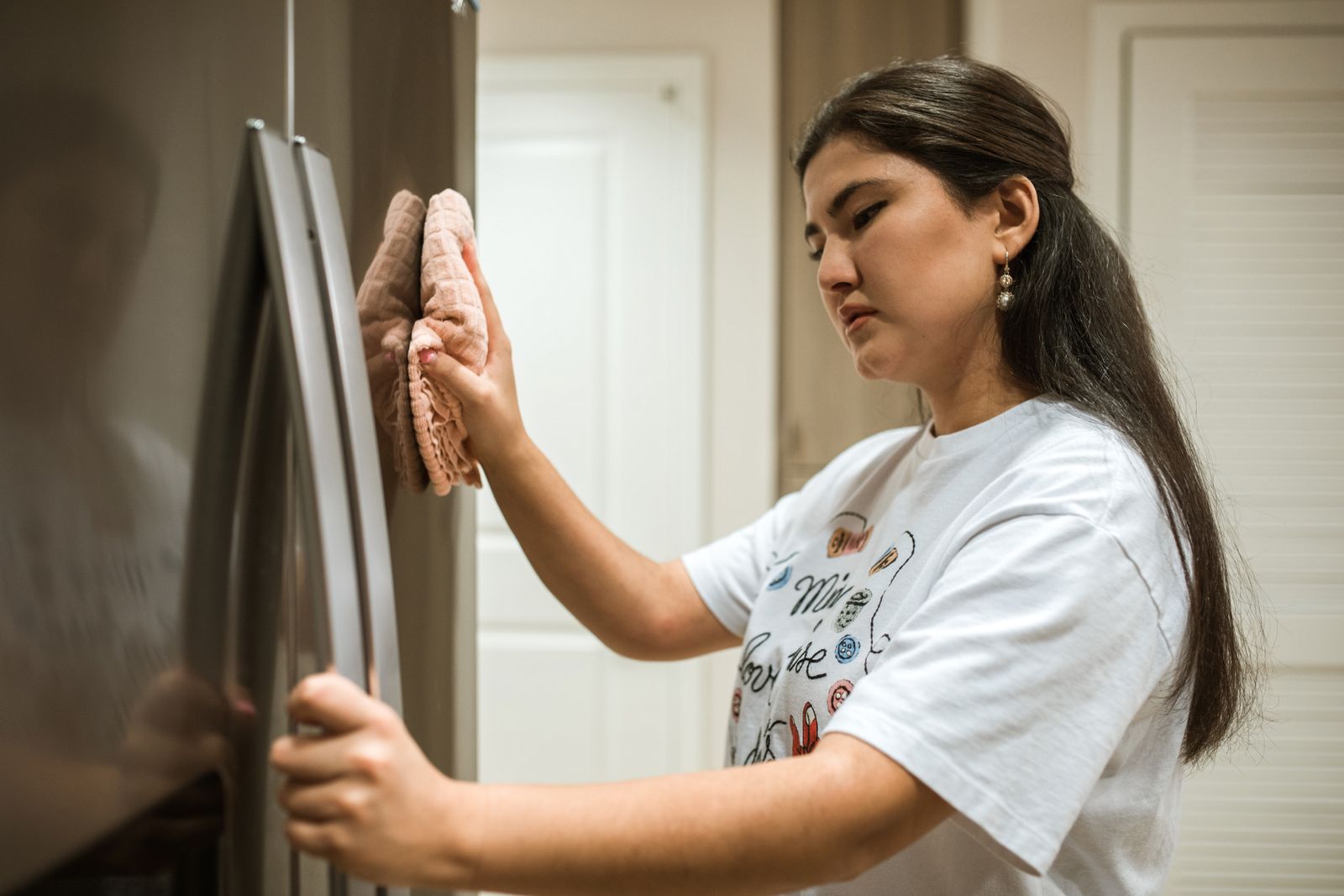
The family member explained that they had been trying to stay productive despite being unemployed. In an effort to contribute to the household, they took it upon themselves to clean up while their relatives were out working. They envisioned a tidy home where their family could relax after long days. Unfortunately, that vision quickly shattered.
<p“Every time I clean, they just mess it up again,” the family member lamented. After putting in hours of hard work, they returned to find their relatives had left their mark, making the living space chaotic once more. Instead of gratitude, they received criticism. The family called them lazy, accusing them of simply lounging around during the day. The contrast between their efforts and the family’s response was stark.
Feeling like their contributions went unnoticed, the cleaner expressed deep frustration. “I have to clean up after their mess, and they don’t treat me nicely,” they wrote. No acknowledgment or thanks came their way, even after they had worked hard to improve the household environment. Instead, if they left any mess, they faced the same accusations of laziness.
The family member’s feelings of resentment grew. They noted how they felt worse than a maid, pointing out that at least a maid gets paid for their work. The unpaid cleaner is essentially left to juggle domestic responsibilities with little regard for their feelings or efforts. This comparison added an extra layer of sadness to the situation, emphasizing the lack of respect they felt.
Readers engaged with the story, offering sympathy and advice. One person told them, “Your family might not realize how much you’re doing. Have you talked to them about how you feel?” Suggestions ranged from communicating their feelings to setting boundaries regarding household tasks.
Another reader noted the imbalance in expectations, saying, “It’s not fair that they expect you to clean while they get to relax after work. You deserve to rest too.” This perspective resonated, highlighting the pressures placed on those who try to help without receiving anything in return.
Among the responses was a strong sentiment of solidarity. People who shared similar experiences commented on the emotional toll of being unappreciated in family dynamics. The consensus was clear: it’s painful to feel like your efforts are ignored while being criticized for the perceived lack of contribution. It stirs a sense of helplessness, especially when trying to support loved ones.
As the family member grappled with their feelings and the reactions from others online, the reality of their situation weighed heavily on them. They faced a choice: should they confront their family about their feelings of disrespect and hopelessness? Or should they continue to clean in silence while enduring the accusations of laziness?
Some readers advised focusing on self-care, suggesting that the cleaner should remember their worth. “You can’t pour from an empty cup,” one commenter remarked, emphasizing the importance of prioritizing one’s mental health over unreciprocated labor. This perspective offered a glimmer of hope amidst the turmoil.
Ultimately, the family member remains uncertain about their next step. They are caught in a cycle of cleaning and criticism, and the lack of appreciation continues to take a toll on their well-being. The internal conflict persists as they consider whether to address the issue directly or continue to shoulder the burden.
More from Vinyl and Velvet:

Leave a Reply