

A new McDonald’s employee found herself in an unexpected stand-off with her manager during a hectic lunch rush. Instead of helping in the kitchen, she was instructed to remain at the register, leaving numerous customer orders unattended.
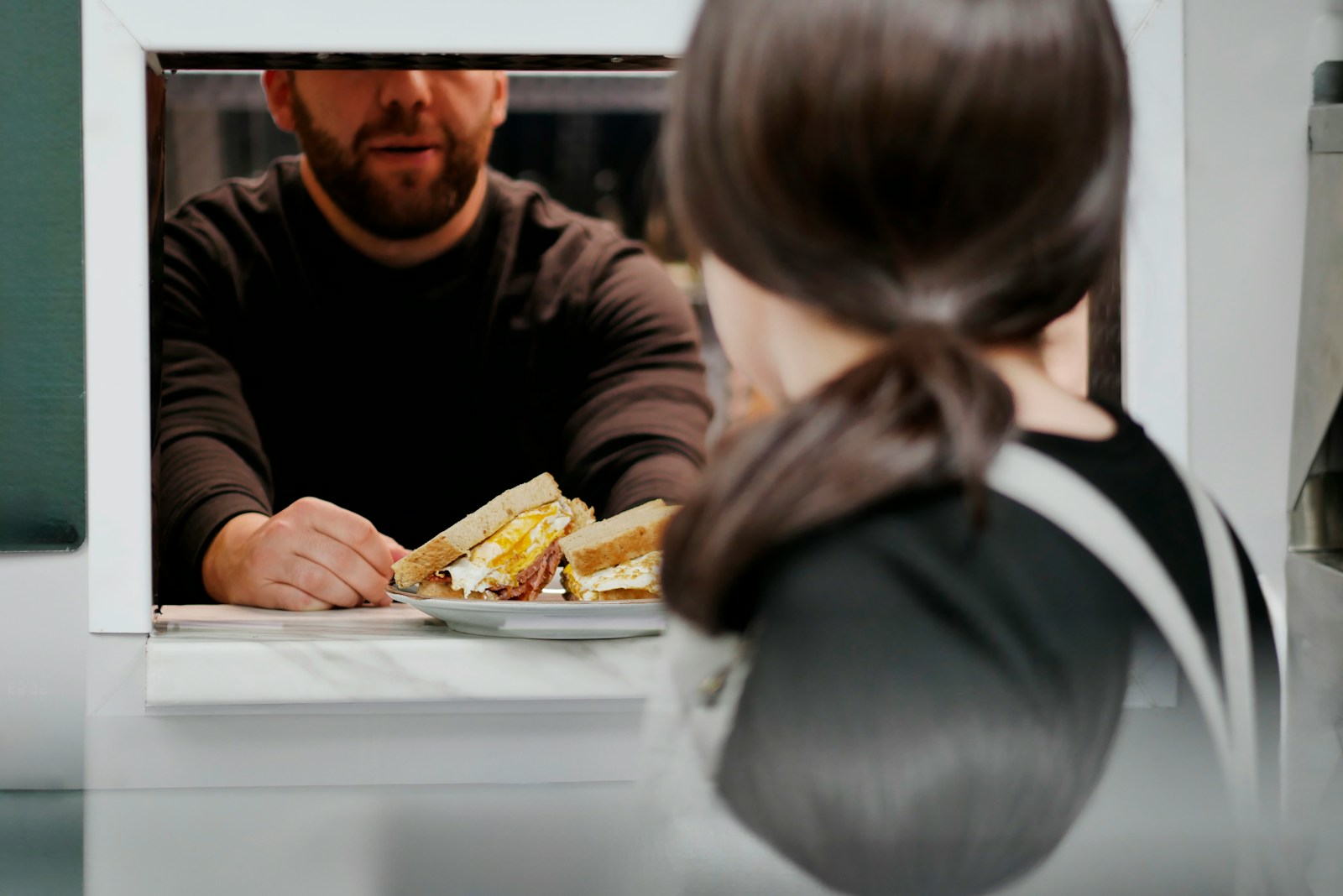
The employee, who had been working at the fast-food chain for just two weeks, was primarily responsible for customer service tasks, including bagging orders and preparing drinks. On her last hour of the shift, she approached the back to assist with order preparation but was met with resistance.
When she tried to help during an unusually busy moment, her manager insisted that she stay at the front. “I mean it, stay out of the kitchen,” was the manager’s firm directive. Faced with no immediate customers, the employee complied, but the situation quickly became chaotic as orders went unfulfilled.
For an entire hour, the new employee stood idly by the register while finished bags piled up, empty cup racks grew sparse, and customers waited in frustration. She watched as one customer grew increasingly irate about the delay in receiving their order, which she knew was already prepared and simply needed to be handed over.
Despite her attempts to explain that she couldn’t go to the back to fetch items, she repeated, “I’m sorry, I would get that for you but I’m not allowed back there right now.” Compounding the issue, drink orders from kiosk customers also went unfulfilled because she had no access to the back where the drinks were prepared.
As the minutes ticked by, confusion mounted. Another employee suggested she give customers their drink cups, but again she was met with a wall. “I would love to but I’m not allowed to go back there and see what they ordered,” became her refrain. It was clear that her inability to assist only amplified the strain on her fellow workers and the customers waiting for their meals.
Finally, after what felt like an eternity of standing at the register, she was approached by a shift lead. Recognizing the chaos unfolding, the lead insisted that she needed to help and urged her not to “shrink my duty.” At this point, the new employee fully detailed her predicament, explaining the unreasonable restrictions imposed by her manager.
Fortunately, a general manager overheard the conversation and took immediate action, stepping in to address the issue directly. This response led to her manager pulling her aside to offer an apology. The manager explained that she was simply overwhelmed and didn’t mean to restrict the new employee’s ability to help.
While the apology seemed sincere, the situation raised questions about communication and support in the fast-paced environment. Employees at drive-thrus and fast-food counters often face high stress levels, and a lack of teamwork only makes the burden heavier.
Several online observers reacted to the story, highlighting the absurdity of the situation. One person told her, “It seems ridiculous that they wouldn’t want you to help out during a rush—after all, a team thrives when everyone pitches in.”
Another reader pointed out that it highlights a larger issue within many fast-food chains: inadequate training and support for new employees. They suggested that such miscommunication could easily lead to a decline in customer satisfaction, which should be a top priority.
As for the new employee, the experience left her contemplating her next moves. While she appreciated the manager’s apology, she wondered about the policies being enforced in the restaurant. Would she continue to face restrictions in future busy shifts? Would she be able to help when the team truly needed it?
The unanswered questions lingered in her mind. Navigating these early days in the job had turned out to be more complicated than she ever expected. Now, she was left to decide how to approach her role moving forward.
More from Vinyl and Velvet:

Leave a Reply