

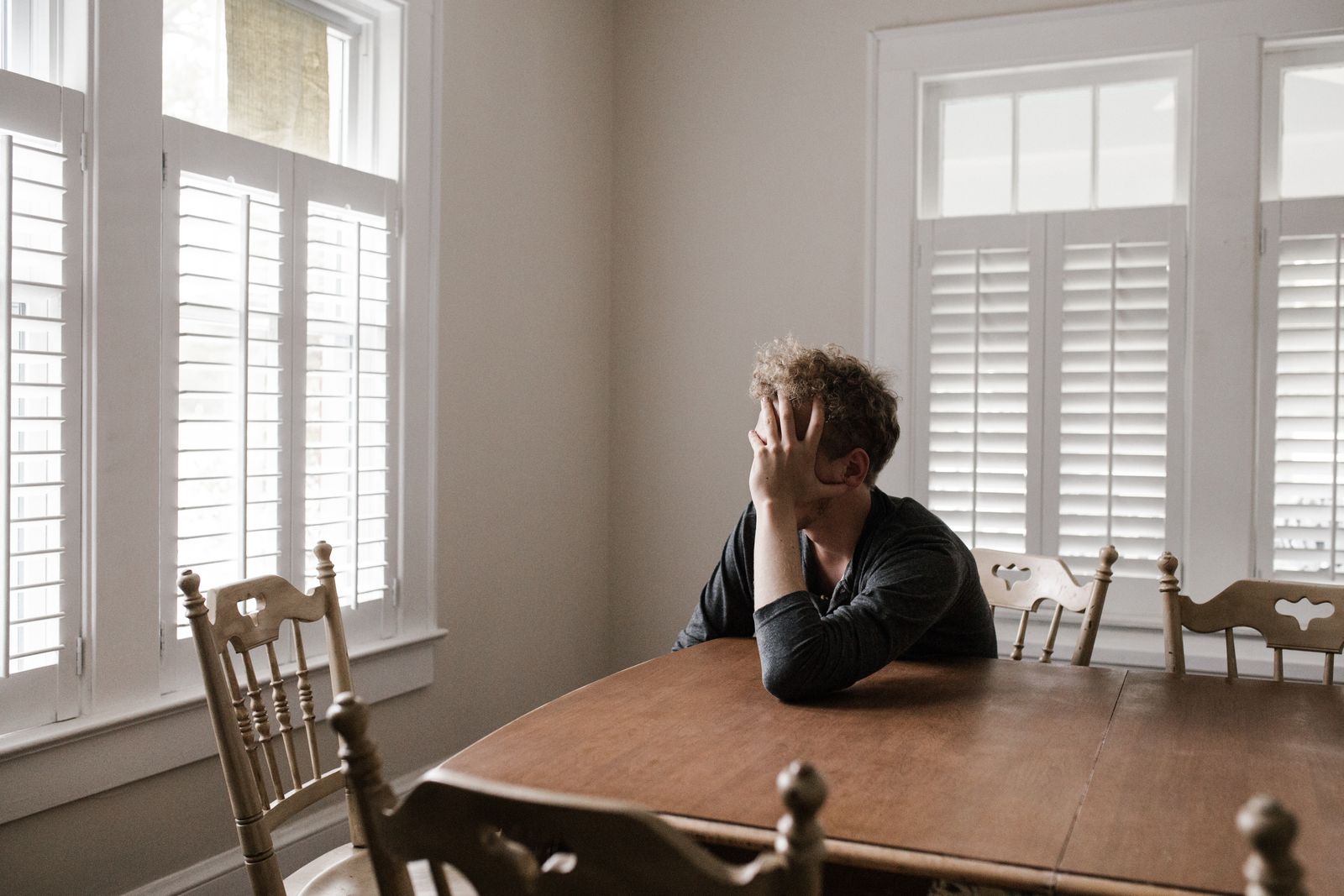
A young man recently shared his harrowing experience of family dynamics that spiraled out of control following his sister’s battle with leukemia. At the time, he was just seven years old, with a seemingly stable family life until his sister fell ill when she was nine. What began as a hopeful medical journey swiftly turned into a nightmare that altered the family’s atmosphere forever.

Initially, the prognosis for his sister’s illness looked promising. Doctors suggested a good chance of recovery, which provided a glimmer of hope for the family. As time passed, however, her condition deteriorated, and the impact on family relationships became evident. The young boy found himself increasingly isolated as his parents devoted most of their attention to their ailing daughter. Responsibilities fell on him, leaving him to fend for himself while his parents struggled with emotional turmoil.
The once vibrant family home turned toxic. The boy’s parents expressed their stress through anger. He faced relentless criticism for asking for basic needs, with his father losing his job due to his short temper and his mother’s emotional support dwindling. As the boy sought help in school, he found himself met with frustration at home, creating a cycle of negativity that he could not escape. His emotional needs went unaddressed, and his grades slipped while he suffered the fallout of his parents’ preoccupation.
As illness consumed his sister, the family dynamic continued to fracture. The boy became a target for frustration in a household filled with turmoil. The anger directed at him escalated, culminating in a heated argument at age fourteen. He expressed his hurt, warning his parents that they would be left alone when his sister passed. Tragically, his prediction came true eighteen months later when she succumbed to her illness. The family unit remained fractured, prompting his grandparents to intervene and take him in, but the distance from his parents was a painful choice.
The young man did not attend his sister’s funeral, barred by his parents who held resentment toward him. What followed was a smear campaign led by his parents, who painted him negatively to anyone who would listen. For years, the boy remained in the shadows, cut off from the family narrative and struggling to find his place in a world that had turned against him.
Time passed, and eventually, the young man established a life independent of his parents, allowing for some semblance of peace. However, his past continued to haunt him. Recently, his parents have tried to bridge the chasm between them, reaching out through social media and via his grandparents, insisting they want to reconcile. Their attempts, however, only stirred old wounds.
Despite his parents’ overtures, the now 25-year-old remains resolute in his refusal to reconnect. He conveyed his sentiments through a detailed message, making it clear that he had no interest in mending their relationship. His grandparents, wishing for harmony, urged him to reconsider, suggesting therapy that includes his parents. This stance leaves the young man in a state of internal conflict, balancing his disdain for his parents with his affection for his grandparents.
His grandparents, though well-meaning, also drew criticism for their complicity during the years he suffered neglect. Many moments of his childhood were lost to their focus on his sister’s illness rather than recognizing the toll it took on him. Now, they encourage reconciliation even as the wounds remain fresh for the young man.
As he navigates these complex feelings, he grapples with the contradictions of loyalty to his grandparents and the desire to maintain a boundary against his parents. The tension lies in their belief that working on their relationship is what will bring peace while he feels justified in his stance against them.
One person told him, “The past is the past, but self-care comes first.” Another reader remarked that reconciliation should never come at the cost of one’s mental health, urging the young man to stick to his convictions. With varying opinions on the matter, he feels the weight of expectation from his family while wrestling with his own emotional truth.
This young man’s story underscores the complexities of familial relationships, particularly how trauma can ripple through generations. As he stands at a crossroads, he must decide whether to pursue reconciliation for the sake of his grandparents or hold firm to his long-held feelings of betrayal and hurt. The path forward remains uncertain as he continues to search for clarity amidst the chaos left in his wake.
More from Vinyl and Velvet:

Leave a Reply