

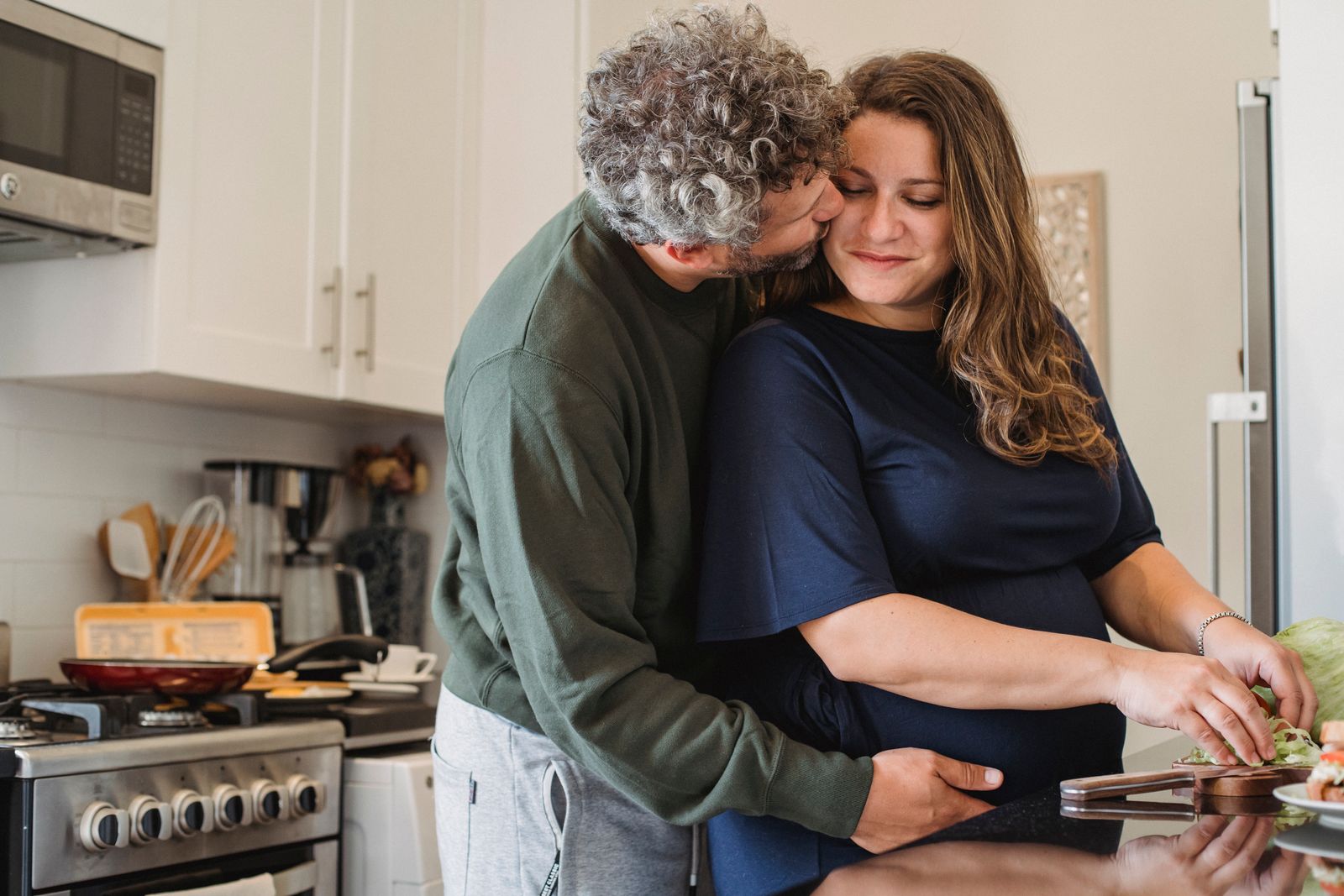
A man recently shared a story on Reddit about his frustrating experience while cooking dinner for his wife. The couple has been married for 15 years, but a simple cooking session took a turn into an argument that left him confused and concerned.

As he descended the stairs after a long day, he noticed a steak he had thawed earlier on the counter. He assumed he had put it back in the fridge, but his wife explained that she had taken it out to cook herself. He offered to cook it instead, thinking she might appreciate him taking over, but his offer was met with skepticism.
She insisted that he didn’t know how to cook a steak and asserted that she had purchased it to prepare. Although he reminded her that he had bought it the day before and that she usually enjoyed his method of cooking, she remained firm in her position, claiming he could cook it if he wanted. This exchange set the tone for the evening, as the tension between them began to simmer.
As he started cooking, he noticed her watching him intently, breathing heavily, a clear sign of her growing agitation. He followed a technique he had learned from a Gordon Ramsay YouTube video, which involved a unique sear, rest, and sear method. After resting the steak for a few minutes, she interrupted him, stating that he was doing it wrong, igniting an internal struggle within him.
The accusation that he was incorrect felt like an unnecessary challenge, and he was determined not to engage in an argument. Explaining his method and where he learned it from only fueled her suspicion. She declared, “I watch Gordon Ramsay, and I never heard of that. It makes me think you are lying.” Being called a liar hit close to home for him, and he chose to stay silent instead of escalating the confrontation.
Despite the tension, he finished preparing the meal, adding potatoes as a side. When he presented the steak to her, her displeasure was palpable. She tasted it, acknowledging it was good, but added that it “needed more finesse.” This comment left him perplexed. He had researched his cooking method thoroughly and even considered the seasoning he had used, which included a mix of salt, pepper, garlic, onion, and paprika. He could hardly comprehend what she meant by “finesse.”
Confusion turned to frustration as he started to wonder if her critiques were legitimate or simply an excuse to provoke a fight. In the months leading up to this incident, he had sensed a shift in her behavior—an increasing tendency to argue about tasks he performed, all while claiming he wasn’t doing them correctly. This pattern left him feeling bewildered and increasingly anxious about their interactions.
His attempt to understand what “finesse” required led him to question if he should add fresh herbs or perhaps explore other culinary techniques. More importantly, he wondered if there was a deeper issue at play within their marriage. Was his wife genuinely critiquing his cooking or was this part of a larger pattern of discontent in their relationship?
As he reflected on the evening, he wrestled with his emotions. His instinct was to seek clarity and resolution but the accusations felt like landmines he was trying to avoid. He recalled how he had worked with a therapist to learn not to react impulsively to accusations, yet navigating this new dynamic seemed increasingly challenging.
In the wake of the dinner mishap, he reached out to the online community, asking others for their perspectives on the situation. He wondered if they too had experienced similar patterns in long-term relationships and sought insights on how to address the growing tension he felt. One person told him, “It sounds like she might have frustrations that are unrelated to your cooking.”
Another reader suggested that there might be underlying issues affecting her behavior, urging him to have an open conversation about their relationship. They emphasized that communication was vital for understanding changes in dynamics that had crept into their marriage.
As he processed these comments and sought to unravel the complexities of his wife’s critiques, he found himself standing at a crossroads. Could these culinary disagreements be a reflection of deeper relationship struggles? Would addressing the friction help, or would it lead to further conflict? The uncertainty weighed on him.
At the end of the day, he was left pondering the intricacies of their relationship and how to bridge the growing divide. He knew something needed to change, but he was unsure of the best path forward.
More from Vinyl and Velvet:

Leave a Reply