

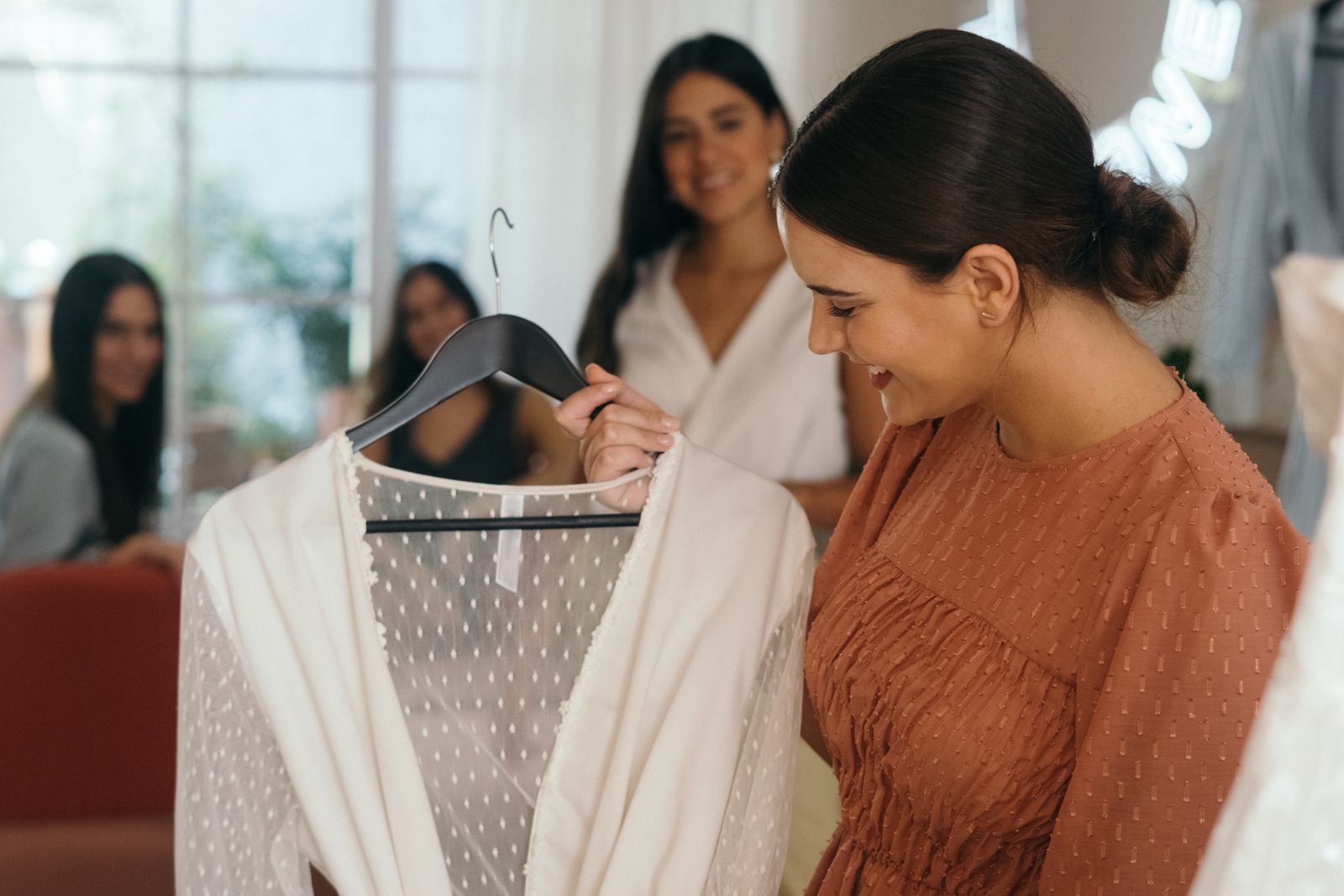
A recent online post has brought to light an emotional family conflict centered around a wedding dress and the tangled feelings attached to it. The story begins with a woman in her late twenties, who faced a painful breakup just months before her wedding, leading her to cancel everything, including the wedding dress she had once cherished.
After a year filled with excitement and planning, the woman, who shared her experience on Reddit, found herself deeply hurt when her engagement fell apart. She had invested both money and emotion into the wedding preparations, with the dress symbolizing her hopes for a future that never came to fruition. Despite the cancellation, the wedding dress remained in her closet—a tangible memory of a time that had turned bittersweet.
Fast forward to the present day, her younger sister Meera recently became engaged and is planning her own wedding for the upcoming spring. During a casual conversation, Meera approached her sister with a proposition: could she borrow the wedding dress, which has been sitting unused? Meera argued that it would save her thousands of dollars, as wedding expenses can quickly add up, especially for a new couple starting their lives together.
However, the woman felt this request was far more complex than Meera understood. To her, the dress was more than just fabric; it represented a significant chapter in her life, one filled with joy that had soured into pain. She explained her feelings to Meera, making it clear that she was not ready to part with an item that held so much meaning for her, even if it was not currently being used.
Meera’s response was one of frustration. She accused her sister of being selfish for not helping out during a time when her own wedding preparations were overwhelming. The tension escalated when their mother sided with Meera, insisting that the logical choice would be for the sister to support her family member in need. This put additional strain on the already fraught family dynamics.
As these conversations unfolded, the atmosphere during family dinners grew noticeably tense. The woman noticed that Meera had grown distant, hardly speaking to her, while their mother continued to press the issue, framing her daughter’s decision as a refusal to support her sister. This conflict made family gatherings uncomfortable, leaving the woman feeling isolated in her grief over what her wedding had represented.
To many, this situation raises questions about family loyalty and the importance of emotional attachments. One reader noted that while weddings are indeed expensive, emotional value cannot be overlooked. Another person pointed out that it would be different if the sister sought to borrow the dress for a genuine and loving reason, rather than as a mere financial solution.
Despite the family pressure, the woman remains firm in her decision, grappling with the notion of fairness. “Why should I have to let go of something that is deeply personal to me just to alleviate my sister’s costs?” she pondered, highlighting the emotional turmoil that often accompanies family obligations.
The discussion has resonated with many online, prompting various perspectives on the balance between familial duty and personal sentiment. Some encouraged her to hold her ground, while others suggested finding a compromise, such as offering to help her sister find a different dress. The emotional toll of the canceled wedding and the subsequent family rift serves as a powerful backdrop to the shared experience of love, loss, and the complexities of family relationships.
As the story continues to unfold, it remains to be seen whether the woman will ultimately reconsider her stance. This dilemma speaks not only to the bonds of sisterhood but also to the pressure we often feel to prioritize practicality over personal emotions in our relationships.
More from Vinyl and Velvet:

Leave a Reply