

A young woman recently revealed that her mother has been sneaking into her bedroom almost every night while she sleeps. The unsettling revelation came during a car ride when the daughter, preparing to leave for college soon, casually mentioned she had begun shutting her bedroom door at night.
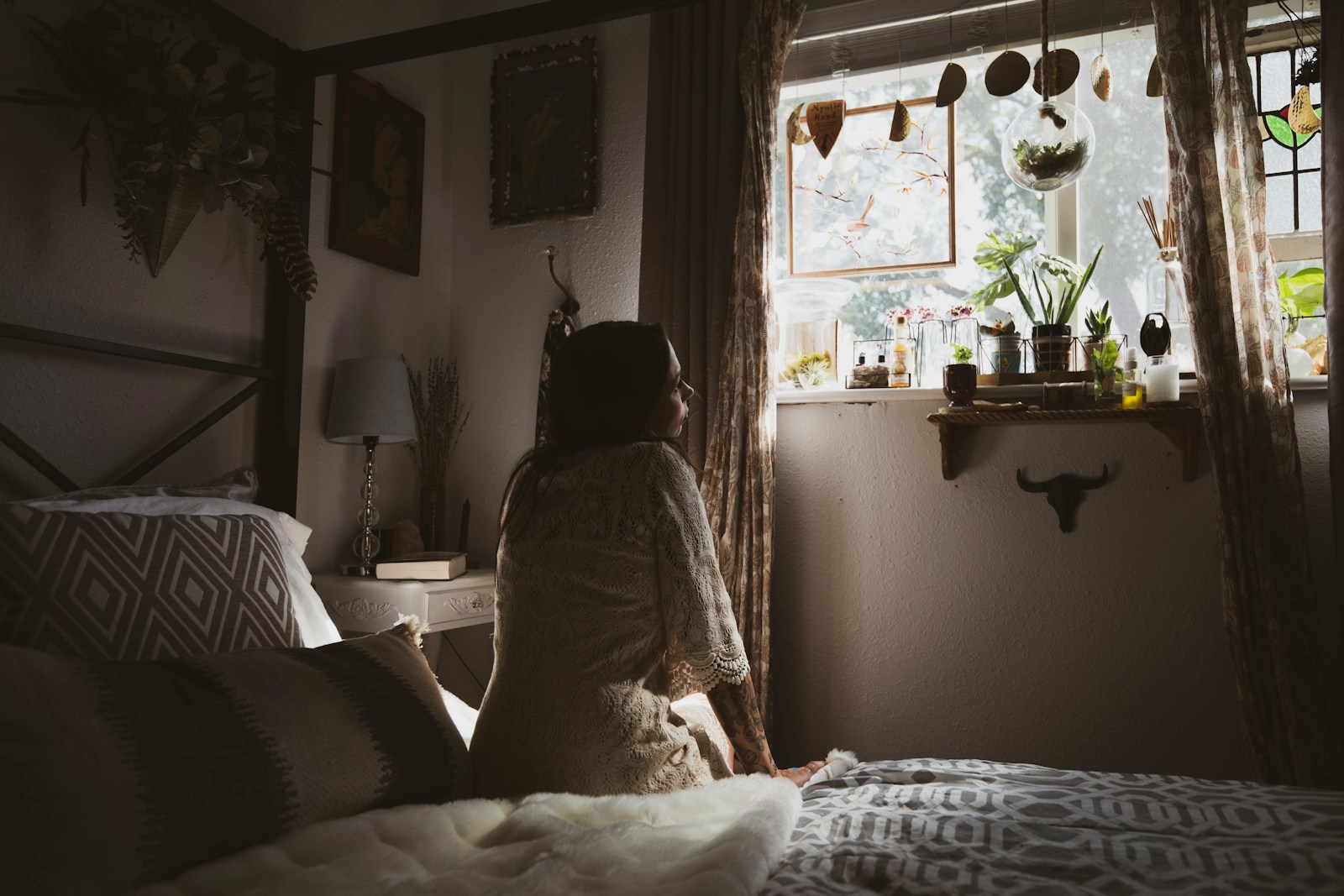
The mother responded with an unexpected inquiry about why her daughter had closed the door. Her tone suggested she had a deeper reason for asking, as if she was trying to camouflage her real feelings. When the daughter pressed for clarity, the mother’s answer took a surprising turn: she admitted that closing the door had complicated her nightly routine of quietly entering her daughter’s room to watch her sleep.
Initially, the daughter thought her mother was joking, but as the conversation unfolded, it became clear that her mother was serious. The admission seemed bizarre and intrusive. The mother stated that she felt unable to sneak inside without waking her daughter, which left the young woman feeling perturbed. The thought of her mother watching her sleep, even if it appeared benign, added an uncomfortable layer to their relationship.
In the weeks leading up to college, this revelation has heightened the daughter’s excitement about leaving home. The feeling of constantly being observed in her own space became exhausting. “I’ve felt like I’m being watched at all times,” she shared, conveying her relief that soon she would have her own private space away from her mother’s watchful eyes.
This scenario resonates with anyone who values their personal space and privacy. The daughter’s experience, while unique, strikes a chord with those who understand the need for boundaries, especially as one transitions to adulthood. Many young adults face challenges in establishing independence from their parents, and this situation exemplifies that struggle.
In today’s social media landscape, stories like this one often draw comments from users sharing their thoughts and personal experiences. One person remarked, “That’s such an invasion of privacy. You need to set some boundaries.” Another reader expressed disbelief, suggesting that while some parents might be overly affectionate, this behavior crosses a line.
The dynamics of parent-child relationships can be complicated, especially as children grow up. What might seem like a harmless act of affection to one person can feel suffocating to another. The daughter’s mother may have thought her nightly visits were a way of maintaining a closeness, but instead, they created anxiety and discomfort for her daughter.
This situation also highlights a broader conversation about parental boundaries and the importance of respecting the individual needs of growing children. Many young adults are learning to advocate for themselves, establishing what is acceptable and what is not as they prepare for life on their own.
The daughter’s decision to shut her door was a simple yet powerful act of asserting her independence. It was a clear signal that she craves privacy and space, particularly as she steps into a new chapter of her life. Her mother’s inability to understand this boundary suggests a disconnect that can be common in parent-child relationships, especially when it comes to the transition into adulthood.
As the daughter prepares to leave for college, she’s left contemplating whether to address her mother’s behavior directly. Should she confront her about the late-night visits? Or is it better to simply put distance between them as she steps into this new phase of life? The unresolved tension makes it clear that this is not a simple matter of motherly affection but rather a fundamental clash of needs for space and autonomy.
This story serves as a reminder that every relationship is unique, shaped by individual experiences and feelings. As the daughter navigates her feelings about her mother’s actions, she faces a choice about how to create the distance she craves while still honoring their bond.
More from Vinyl and Velvet:

Leave a Reply