

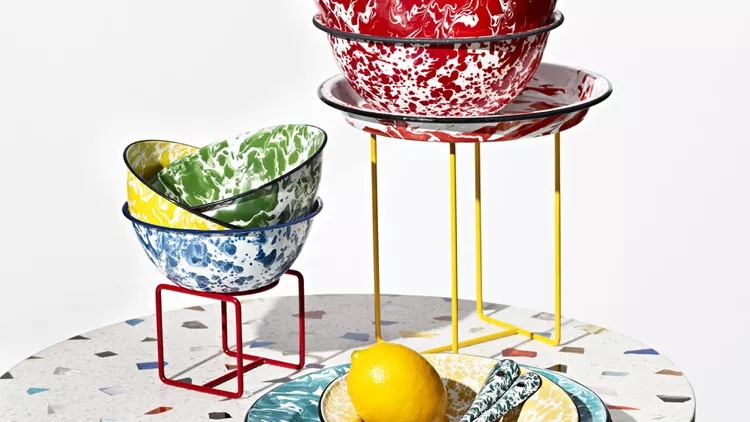
Vintage household pieces are no longer just nostalgic clutter, they are fast-moving collectibles that serious buyers chase across auctions, estate sales, and online marketplaces. When you understand which older items collectors cannot find enough of, you can spot value hiding in plain sight on your shelves or in family storage. Here are eight specific categories of vintage household items that consistently attract attention, high bids, and passionate competition.
1) Mid‑century modern teak furniture
Mid‑century modern teak furniture is one of the most aggressively hunted categories because buyers want clean lines, compact proportions, and durable hardwood that still feels contemporary in small spaces. Original sideboards, low‑profile credenzas, and sculptural dining chairs from the 1950s and 1960s routinely sell far above generic secondhand pieces, especially when they retain original hardware and finish. Collectors look for Danish and Scandinavian makers, readable labels, and construction details such as dovetail joints that signal quality and authenticity rather than later reproductions.
For you as a seller or picker, the stakes are significant: a teak wall unit that might look like ordinary “old furniture” to a casual donor can translate into a four‑figure sale when properly identified and photographed. Because supply is finite and many pieces were discarded during earlier decorating cycles, competition for intact examples keeps rising. That scarcity encourages you to check every estate sale living room and dining room for overlooked teak, even if the rest of the décor looks dated or mismatched.
2) Pyrex mixing bowls and casserole sets
Vintage Pyrex mixing bowls and casserole sets have shifted from everyday kitchen workhorses to display‑worthy collectibles that enthusiasts track pattern by pattern. Early opalware bowls in nesting sets, refrigerator dishes with matching lids, and promotional casserole designs in colors like turquoise, pink, and avocado green are especially sought after when the glaze is glossy and free of dishwasher damage. Collectors often organize their shelves by specific pattern names, hunting for missing sizes to complete a four‑bowl stack or a coordinated bakeware run.
Because these pieces were mass‑produced and heavily used, pristine examples are rarer than they appear, which is why you see bidding wars for complete sets with minimal wear. If you are sorting through an older relative’s cabinets, checking the bases for Pyrex marks and comparing patterns can turn an ordinary‑looking bowl into a valuable listing. The broader trend toward colorful, open‑shelf kitchens keeps demand strong, since buyers want functional pieces that also photograph well for social media and resale platforms.
3) Cast‑iron skillets and Dutch ovens
Vintage cast‑iron skillets and Dutch ovens from makers such as Griswold and Wagner are prized because they combine cooking performance with collectible history. Earlier pans were machined to a smoother interior finish than many modern counterparts, which seasoned cooks say delivers better nonstick results once properly seasoned. Collectors inspect the underside for clear logos, pattern numbers, and heat rings, details that help date each piece and distinguish a rare early mold from a more common later run.
For home cooks, the appeal is practical as well as nostalgic, since a restored skillet can move from stovetop to oven and then to the table for decades of use. That durability, paired with finite supply, keeps prices strong for uncracked, flat‑sitting pans. If you find a rusted example at a yard sale, it is often worth rescuing, because careful cleaning and seasoning can revive value that the original owner never realized was sitting in a camping box or basement shelf.
4) 1970s and 1980s stereo receivers
Stereo receivers from the 1970s and 1980s attract collectors who want analog sound, tactile controls, and the visual drama of brushed aluminum faces and glowing dial lights. Brands such as Pioneer, Marantz, Sansui, and Yamaha built heavy units with discrete components and large transformers, features that audio enthusiasts associate with warmer sound and easier repair. Collectors pay close attention to model numbers, wattage ratings, and whether the original knobs, meters, and wood cases remain intact.
As streaming listeners rediscover vinyl and physical media, these receivers serve as the centerpiece of hybrid systems that blend old and new technology. That crossover appeal pushes prices up for fully serviced units and even for “parts or repair” examples that can be restored. If you come across a dusty receiver in a garage, testing basic power‑on behavior and checking for corrosion can help you decide whether it is a candidate for resale to hobbyists who specialize in refurbishment.
5) Vintage barware and cocktail sets
Vintage barware and cocktail sets, from etched highball glasses to chrome‑plated shakers, have surged in popularity as home entertaining trends revive classic drink rituals. Collectors look for coordinated sets that include matching glasses, ice buckets, and tools, especially when they feature mid‑century motifs like atomic starbursts, gold rims, or tiki imagery. Original caddies and carriers add value because they show how the set was meant to be displayed on a bar cart or sideboard.
For hosts, these pieces offer a quick way to give a living room or dining area a tailored, period‑correct look without major renovation. The stakes for resellers are clear: a complete set in good condition can command far more than a box of mismatched glassware, so it pays to keep components together. As cocktail culture continues to emphasize presentation, buyers are willing to pay a premium for barware that photographs well and signals attention to detail when guests arrive.
6) Retro kitchen canisters and bread boxes
Retro kitchen canisters and bread boxes from the 1940s through the 1970s appeal to collectors who want storage that doubles as décor. Metal, enamel, and early plastic sets labeled for flour, sugar, coffee, and tea are especially desirable when all pieces are present and the typography matches across the set. Popular color schemes include pastel mint, butter yellow, and bold primary tones that contrast with today’s neutral kitchens, making these items instant focal points on countertops.
Because these containers were used daily, dents, rust, and fading are common, so intact paint and legible lettering significantly affect value. For you, that means checking lids for smooth operation and interiors for odor or staining before listing or displaying them. As more people embrace vintage‑inspired kitchens, these canisters and bread boxes help bridge practicality and style, giving collectors a way to organize staples while reinforcing a cohesive, nostalgic design story.
7) Hand‑woven quilts and vintage linens
Hand‑woven quilts and vintage linens, including embroidered pillowcases and tablecloths, draw collectors who appreciate textile craftsmanship that is difficult to replicate at scale today. Quilts with clear patterns, such as Double Wedding Ring or Log Cabin, and visible hand‑stitching tend to command higher prices than machine‑stitched counterparts. Provenance also matters, so any documentation or family history that ties a quilt to a specific maker or region can increase interest among buyers focused on folk art and regional traditions.
For households sorting through inherited linens, the temptation is to treat them as worn bedding, but collectors see them as one‑of‑a‑kind artworks that can be displayed on walls or folded at the foot of a bed. Condition is crucial, yet minor wear or small stains do not always destroy value if the pattern and stitching are exceptional. As sustainable design gains traction, these textiles also appeal to buyers who prefer repurposed materials over newly manufactured décor.
8) Early electric clocks and kitchen timers
Early electric clocks and kitchen timers from the mid‑20th century have become coveted because they capture the moment when households first embraced plug‑in convenience. Collectors seek wall clocks with bold numerals, chrome bezels, and cloth‑covered cords, along with countertop timers that feature mechanical dials and audible bells. Models that still run accurately, or that can be serviced with basic electrical work, are especially desirable, though even nonworking examples can sell as display pieces if the faces and casings remain attractive.
For you, the key is to inspect cords for safety and note whether the motor hums or the hands move when powered, since functionality affects both price and buyer expectations. These clocks and timers resonate with people who enjoy industrial design and the aesthetics of early modern kitchens, so they often end up in carefully curated photo backdrops and themed interiors. As smart devices quietly replace everyday objects, the charm of a ticking vintage clock only grows stronger among collectors.
More from Vinyl and Velvet:

Leave a Reply