

Plenty of “junk” at the back of cupboards and in dusty lofts is quietly gaining value, especially as collectors chase nostalgia and short production runs. By looking closely at forgotten home items, from old cookware to attic boxes, it is possible to spot pieces that are worth saving rather than sending to the charity shop or bin. Here are 10 categories that deserve a second look before you declutter.
1) Vintage ceramic kitchenware
Vintage ceramic kitchenware, especially patterned mixing bowls, casserole dishes and serving platters, is one of the most overlooked categories hiding in plain sight. Expert appraisers interviewed about valuable pieces in grandma’s kitchen highlight that certain glazes, colorways and discontinued patterns can command strong prices when they are in good condition. Chips and hairline cracks reduce value, but complete sets with lids, matching saucers or original serving stands are often worth keeping.
These ceramics matter because they capture specific eras of design and manufacturing that are difficult to reproduce today. Collectors often search for particular shapes or backstamps to complete a display, which means a single survivor from a long-lost set can still be desirable. Before donating old bowls or platters, I would check the maker’s mark on the base, compare patterns online and photograph any distinctive detailing, since those small clues can turn a dusty dish into a worthwhile keeper.
2) Retro cookware and cast iron
Retro cookware, especially heavy cast iron skillets and enamelled pans, has moved from everyday workhorse to collectible status. Specialists who assess forgotten items that could be worth a small fortune point out that original finishes, intact handles and clear maker’s marks are key signs of value. Early examples from well-known foundries, or limited color runs of enamel, can attract buyers who want both performance in the kitchen and a piece of design history on display.
The stakes are practical as well as financial. Good cast iron can outlast modern non-stick pans by decades, so keeping and restoring it can save money while reducing waste. I would avoid scrapping older skillets just because they look dull or rusty, since careful cleaning and seasoning often brings them back to life. In a market where new premium cookware is expensive, a rediscovered pan can be both a useful tool and a quietly appreciating asset.
3) Mid‑century glassware and bar sets
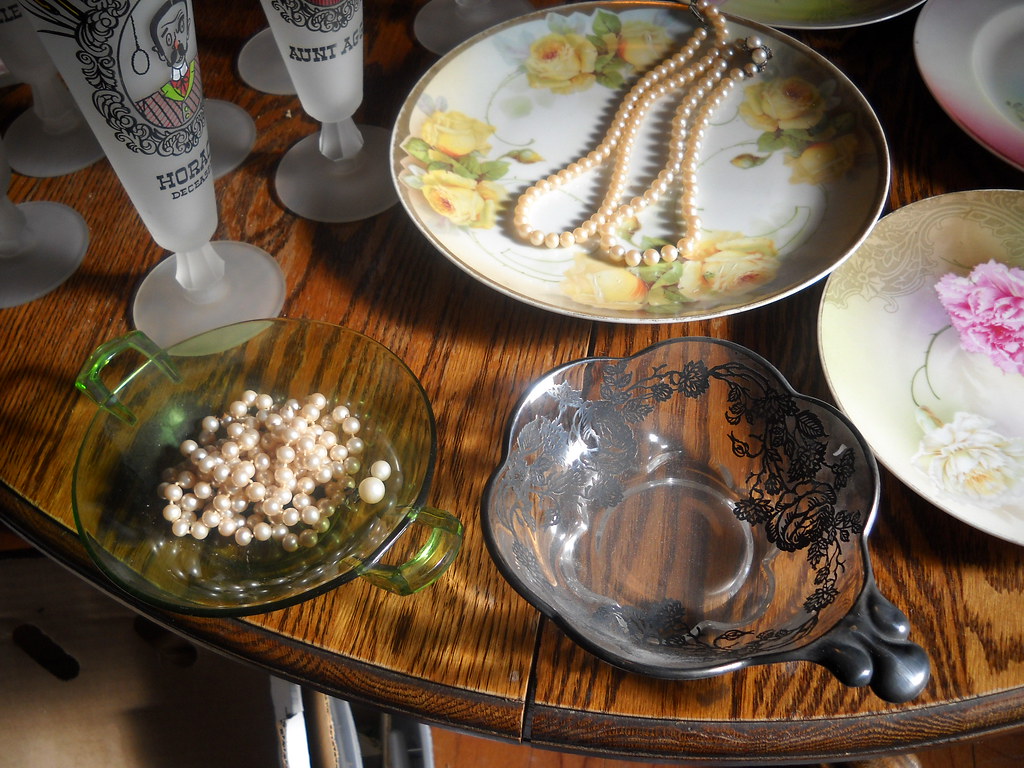
Mid‑century glassware, from cocktail coupes to patterned tumblers, is another category that often sits forgotten at the back of cupboards. Experts who evaluate hidden stories and potential value in home items note that original bar sets, especially those with matching decanters and glasses, can be surprisingly sought after. Etched motifs, colored stems and intact gold rims are all details that collectors look for when deciding what to buy.
These pieces track broader trends in how people entertained at home, which is why complete sets tend to outperform odd glasses. I would handle them carefully, checking for cloudiness or dishwasher damage that can reduce appeal. Even so, a small group of well-preserved glasses can be worth saving for future dinner parties or resale. As more people recreate vintage cocktail culture, demand for authentic glassware is likely to remain strong, making that old bar set a smarter keeper than it first appears.
4) Attic trunks of childhood toys
Attic trunks filled with childhood toys are classic examples of items that feel sentimental but can also carry real market value. Reporting on valuable items hidden in lofts highlights that boxed action figures, early gaming consoles and complete board games are among the most promising finds. Original packaging, instruction leaflets and unbroken accessories are crucial, since collectors often pay a premium for sets that look close to how they left the shop.
The implications go beyond a one‑off sale. As specific franchises gain new film or streaming adaptations, interest in earlier merchandise tends to spike, lifting prices for well-preserved examples. I would separate mass‑produced, heavily worn toys from those that still have boxes or limited‑run branding, and research recent auction results before deciding what to keep. Even if you choose not to sell, understanding the potential value can influence how carefully you store these pieces for the next generation.
5) Old vinyl records and hi‑fi gear
Old vinyl records and the hi‑fi gear that plays them are often stacked in spare rooms, yet they remain one of the most active corners of the second‑hand market. Specialists who advise on forgotten valuables frequently single out first pressings, limited live recordings and albums with controversial or withdrawn cover art as records worth saving. Turntables, amplifiers and speakers from respected audio brands can also attract buyers, particularly if they have been serviced and still function reliably.
For owners, the stakes are cultural as well as financial, because these collections document musical tastes and recording technology that shaped entire eras. I would avoid throwing out records without checking matrix numbers, condition and sleeve details, since small variations can make a big difference in price. Even when individual albums are not especially rare, curated bundles by genre or artist can appeal to new collectors who are building their first analog setup.
6) Early tech and obsolete gadgets
Early tech and obsolete gadgets, from brick‑style mobile phones to first‑generation laptops, are moving from clutter to collectible. Appraisers who look at forgotten home items often note that original accessories, such as chargers, manuals and packaging, significantly increase desirability. Devices that marked a turning point in consumer technology, like early portable music players or pioneering digital cameras, tend to attract enthusiasts who document the history of design and engineering.
The broader trend is that nostalgia for the early internet and pre‑smartphone era is driving renewed interest in hardware that once felt disposable. I would keep an eye out for limited‑edition colorways, developer prototypes or models linked to landmark product launches, since these can stand out in a crowded market. Even non‑working units may have value for parts or display, so careful storage and basic cleaning are worthwhile before deciding whether to sell or keep them.
7) Discontinued kitchen gadgets
Discontinued kitchen gadgets, especially those that solve a specific task unusually well, can be worth saving even when professional organizers urge people to clear their counters. Advice on items organizers would throw out often targets duplicates and flimsy tools, but it also highlights how some older designs outperform modern replacements. Sturdy manual slicers, heavy‑duty hand mixers and well‑engineered can openers are examples of gadgets that can justify a place in a drawer.
The key is to distinguish between genuinely redundant clutter and discontinued tools that are hard to replace at the same quality. I would test each gadget, checking whether it still works smoothly and whether spare parts or blades are available. In a market where many new tools are built to a lower standard, a reliable older gadget can save money, reduce waste and even appeal to buyers who prefer durable, low‑tech solutions in their kitchens.
8) Antique trunks, chests and suitcases
Antique trunks, wooden chests and old suitcases often sit untouched in lofts, yet they combine decorative appeal with potential resale value. Experts who examine home items that might be worth a small fortune point to original travel labels, intact hardware and distinctive maker’s badges as signs that a piece is worth attention. Leather‑bound cases with solid stitching and unbroken locks are especially attractive to buyers who repurpose them as coffee tables or storage.
These items also tell personal and social histories, from migration stories to changing travel habits, which can increase their emotional and monetary value. I would avoid over‑restoring them, since stripping patina or replacing fittings can reduce authenticity. Instead, gentle cleaning, careful repair of loose linings and good photographs of any labels or stamps can help you decide whether to keep them as characterful furniture or explore specialist resale channels.
9) Decorative mirrors and wall art
Decorative mirrors and wall art, especially pieces that predate mass‑produced prints, are another category that deserves a second look. Appraisers who guide people through navigating the appraisal process often stress the importance of original frames, undisturbed backings and signatures or gallery labels. Gilt or carved wooden frames can sometimes be more valuable than the artwork they surround, particularly when they feature period‑specific detailing.
The stakes here involve both aesthetics and investment potential. A mirror with foxed glass and a distinctive frame can anchor a room’s design, while certain prints or paintings may appreciate as interest in particular artists or movements grows. I would inspect the back of each piece for labels, dates or handwritten notes, and photograph any identifying marks before deciding whether to keep, restore or sell. Even modest works can gain value when their provenance is documented.
10) “Outdated” home tools that still work
“Outdated” home tools that still work, such as manual sewing machines, hand drills and analog measuring devices, are often written off as clutter despite their usefulness. Organizing advice that encourages people to discard older gear in favor of streamlined spaces sometimes overlooks how robust these tools can be. When a device still performs its core function reliably, it can be worth saving both for practical projects and for potential resale to hobbyists who prefer mechanical precision.
Keeping these tools has wider implications for sustainability and resilience, since they do not rely on batteries, software updates or fragile plastics. I would check for smooth movement, intact parts and any original instruction booklets, which can add appeal. In an era of frequent product obsolescence, a well‑maintained manual tool can outlast several generations of cheaper replacements, making it a smart item to preserve rather than discard in the next clear‑out.
More from Vinyl and Velvet:

Leave a Reply