

Across attics, basements, and overstuffed kitchen cabinets, everyday objects that once felt disposable are quietly turning into serious collectibles. As nostalgia reshapes what you value, items you grew up using without a second thought are now commanding attention from dedicated buyers and seasoned appraisers. If you know what to look for, those “forgotten” household staples can shift from clutter to a meaningful windfall.
The most sought after pieces tend to combine strong design, recognizable brands, and a clear link to a specific era, from midcentury cookware to early franchise merchandise. By focusing on condition, completeness, and cultural relevance, you can quickly sort the truly collectible from the merely old and start treating your home like a curated archive instead of a storage unit.
1. Vintage Pyrex and Colorful Cookware
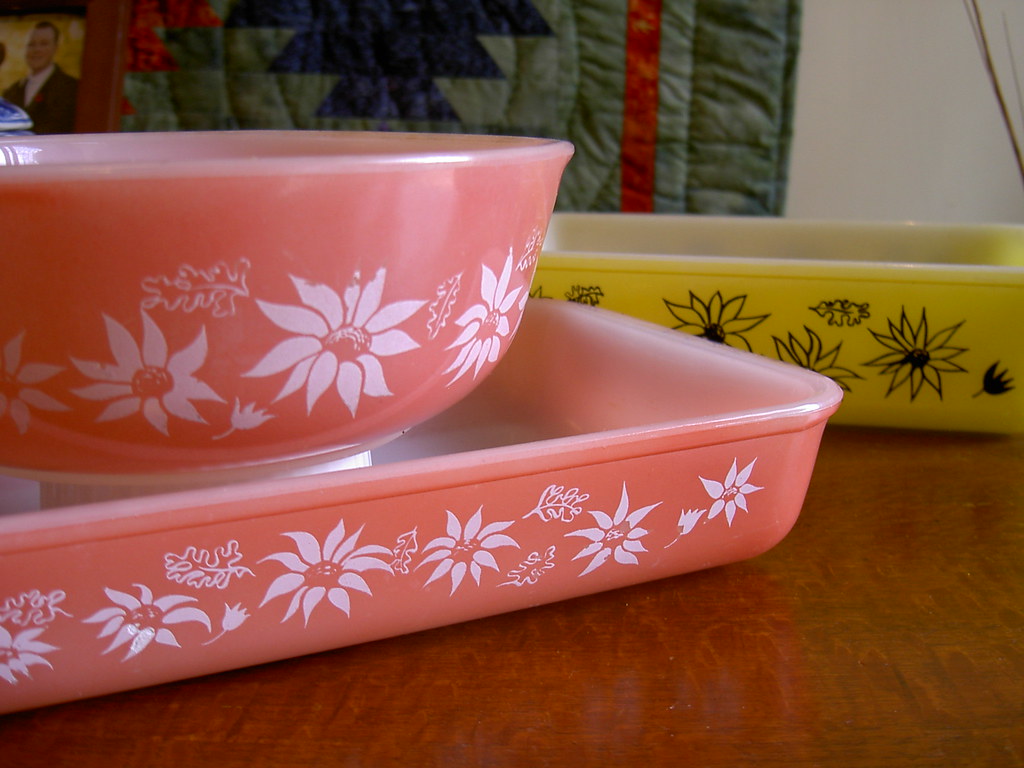
Few kitchen items have made a bigger leap from workhorse to collectible than vintage Pyrex mixing bowls and casserole dishes. Sets that once lived permanently on your grandmother’s counter are now prized for their saturated colors, atomic age patterns, and durability that modern glassware rarely matches. Collectors hunt for complete nesting sets, rare colorways, and limited designs, which is why Vintage Pyrex Dishes Those cheerful bowls and bakeware are singled out as standout examples of forgotten kitchen gear that has become highly valuable.
The same appetite for midcentury style is lifting other cookware lines that once felt purely practical. Copper bottom pots, enamel stockpots, and branded stainless sets that sat untouched for years are now being reassessed by appraisers who specialize in turning attic finds into cash. Guides that walk you through Let old household items reveal that cookware is no longer just about function, it is about pattern names, production runs, and whether you have the original lids and matching pieces.
2. Tupperware and Forgotten Plastic Brands
Plastic storage containers that once symbolized everyday frugality are now edging into collector territory. Early Tupperware, with its pastel hues, modular shapes, and party-era marketing, has crossed from pantry staple to design object, especially when you find complete sets with intact seals. Reporting on Tupperware and other once ubiquitous brands notes that nostalgia for midcentury entertaining is driving renewed interest in these molded pieces, particularly in colors and shapes that are no longer produced.
Beyond the big names, lesser known plastic lines from supermarkets and department stores are also gaining traction when they capture a specific look or logo from a bygone era. Collectors gravitate toward items that still have their original lids, stacking systems, or printed graphics, since those details anchor the pieces to a particular decade. As with other Everything in-demand home items, condition is crucial, so containers without warping, staining, or dishwasher damage tend to command the strongest prices.
3. First Edition Books and Early Pop Culture Tie-ins
Bookshelves that look ordinary at a glance can hide some of the most valuable collectibles in your home. First printings of popular titles, especially those that launched major franchises, are highly sought after when they retain their original dust jackets and show minimal wear. Appraisal guides that catalog THE contents of the ATTIC highlight First Edition Books as a category where a single volume can be worth far more than the rest of the shelf combined.
Modern fantasy and young adult series have joined the ranks of classic literature in this market. Early printings tied to global franchises, such as the original runs of the Harry Potter novels, can be especially valuable when they include misprints, specific publisher markings, or regional cover art that was later changed. Videos that walk through Nov era household finds often point to these early pop culture tie-ins as sleeper assets, since many owners still treat them as casual reading copies rather than collectibles that deserve protective sleeves and careful storage.
4. Bathroom Wall Art and Kitsch Decor
Decor that once felt tacky or overly specific is now being reappraised as a snapshot of domestic life in earlier decades. Framed prints, novelty plaques, and themed pieces that hung in hallways and powder rooms are attracting buyers who want authentic period details rather than modern reproductions. Lists of small items you can flip for quick cash single out Bathroom Wall Art as a surprisingly strong performer, especially when the imagery leans into midcentury humor, travel motifs, or stylized typography.
The broader market for kitsch is also lifting ceramic figurines, souvenir plates, and novelty clocks that once gathered dust on shelves. Collectors look for pieces that still have their original hangers, labels, or maker’s marks, since those details help verify authenticity and era. Guides that spotlight Mundane Things Worth Collecting emphasize that even mass produced decor can become desirable when it captures a specific cultural moment, from 1970s color palettes to 1990s graphic styles.
5. Vintage Toys, Games, and Childhood Electronics
Childhood entertainment that once lived in toy chests and under beds is now a serious collecting category, especially when items remain complete and in working order. Board games with all their pieces, handheld electronics with original packaging, and early gaming systems can command strong prices from buyers who want to recapture a specific era of play. Video explainers that revisit Nov era household items highlight vintage toys and first generation consoles as some of the most lucrative finds, particularly when they were stored rather than heavily used.
Condition and completeness matter as much as brand recognition. A well preserved handheld game or cartridge with its manual and box can be worth significantly more than a loose, scuffed version of the same title. Broader rundowns of in-demand old home items note that early electronics sit alongside cookware and decor as top categories, which means your closets and entertainment centers deserve the same careful review as your attic trunks.
6. Midcentury Metalware and Revere-style Cookware
Metal cookware that once felt indestructible has aged into a design statement, particularly pieces with distinctive silhouettes, copper accents, or branded handles. Collectors seek out heavy gauge pots and pans that balance function with recognizable style, often focusing on sets that defined midcentury kitchens. Coverage of Once forgotten household brands explains how lines like Revere Ware, which simmered on stoves for decades, are now simmering up extra cash when they resurface in good condition.
Buyers pay close attention to original lids, matching sets, and clear maker’s marks stamped on the base of each piece. Tarnish and patina are not necessarily deal breakers, since many collectors prefer the lived in look of cookware that actually saw service in family kitchens. Broader guides to old home items emphasize that metalware sits alongside glass and plastic as a core category, so it is worth pulling those heavy boxes out from under the counter instead of assuming they are destined for the donation pile.
7. Attic Time Capsules: Trunks, Textiles, and Paper Goods
Attics often function as accidental time capsules, preserving textiles, documents, and small objects that never made it into everyday rotation. Vintage linens, embroidered tablecloths, and branded blankets can attract collectors who specialize in fabric design and regional advertising. Detailed rundowns of items that might be worth a fortune in the attic point out that IN THE ATTIC you are just as likely to find valuable paper goods and textiles as you are big ticket furniture or art.
Old letters, postcards, and promotional materials can also carry value when they document specific events, companies, or locations. Ephemera that survived intact, especially in original envelopes or folders, offers a window into everyday life that historians and collectors prize. Broader lists of Here are things collecting dust in your house emphasize that these seemingly fragile items can be worth a ton today, provided they are stored flat, kept dry, and handled carefully when you finally bring them down from the rafters.
8. Wall Hangings, Knick-knacks, and Small-Format Art
Small decorative objects that once felt like filler on shelves and side tables are now being reconsidered as accessible entry points into collecting. Ceramic animals, carved wooden figures, and novelty souvenirs can all attract interest when they showcase distinctive craftsmanship or period specific design. Lists that outline Here are knick-knacks you can flip for easy cash underline how quickly these pieces add up when you group them by theme, maker, or era.
Wall hangings and small format art prints fall into the same category, especially when they retain original frames or labels from local galleries and craft fairs. Buyers often look for clusters of similar items to create gallery walls or themed displays, which means your scattered pieces may be more valuable as a curated set than as individual sales. Overviews of Nostalgia Antiques Providence Ri Sometimes the most mundane things worth collecting stress that even modestly priced decor can become valuable when it reflects a consistent aesthetic or tells a coherent visual story.
9. Everyday Oddities That Collectors Chase
Beyond the obvious categories, a wide range of everyday oddities has started to attract serious collector attention. Branded shopping bags, promotional mugs, and even obsolete packaging can become desirable when they feature logos or slogans that no longer exist. Lists that revisit Vintage household items show that anything tied to a specific cultural moment, from early tech branding to defunct local stores, can find a second life in display cases and curated collections.
The key is to look at your home through the eyes of someone who values history, design, and storytelling as much as function. When you evaluate items based on their era, condition, and cultural resonance, you start to see why guides that catalog 25 Forgotten Household Items or outline 75 items you have at home focus so heavily on context. The objects that once blended into the background of daily life are now the ones that can connect you directly to collectors, and in many cases, to unexpected cash.
More from Vinyl and Velvet:

Leave a Reply