

You probably have old paper items tucked in drawers that look like clutter but can quietly be worth hundreds or even thousands of dollars. From forgotten tickets to outdated manuals, collectors pay real money for the right pieces in the right condition. By learning which categories are surprisingly valuable, you can sort your paper piles with a sharper eye and avoid tossing something that could meaningfully boost your budget.
1) Vintage concert tickets that prove historic shows
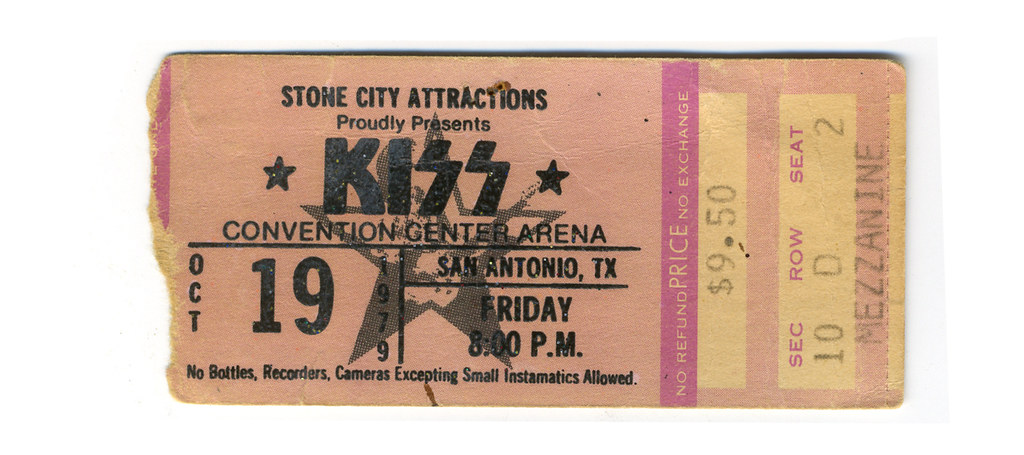
Vintage concert tickets can be worth far more than the price printed on them when they document a culturally important performance. Collectors pay premiums for stubs from landmark tours, final shows, or early appearances by artists who later became global stars, because the ticket is a tangible record that the event actually happened. A well-preserved ticket from a pivotal tour, especially with the venue, date, and artist clearly legible, can sell for many times its original face value in private sales and online auctions.
Condition and context drive the market, so you benefit if your ticket still has sharp corners, bright ink, and no heavy creases. Scarcity also matters, since many attendees threw their stubs away on the way out of the arena. When you combine rarity with a major cultural moment, such as a breakthrough tour or a legendary festival, the stakes rise for collectors who want to own a piece of music history, and that demand is what turns an old scrap of paper into a serious collectible.
2) First-edition paperbacks with original cover art
First-edition paperbacks can command surprising prices when they feature original cover art that later printings abandoned. Publishers often update designs, change logos, or swap illustrators, which means the earliest mass-market versions of popular novels become a snapshot of how the book was first introduced to readers. If your copy lists the earliest printing information on the copyright page and still has its initial artwork intact, it may attract collectors who specialize in specific authors, genres, or design eras.
Value rises when a first-edition paperback remains structurally sound, with a tight spine, minimal page yellowing, and no major stains or writing. Even modest wear can be acceptable if the book is genuinely scarce or marks the debut of a now-famous writer. For you, the implication is simple: before donating or recycling older paperbacks, especially in science fiction, mystery, or literary fiction, check the printing details and cover design, because a seemingly ordinary book could be a sought-after artifact of publishing history.
3) Old sports programs from milestone games
Old sports programs can be far more valuable than the ticket that got you into the stadium, particularly when they document milestone games. Programs from championship matches, record-breaking performances, or debut appearances by legendary athletes serve as detailed time capsules, often including rosters, statistics, and period advertising. Collectors look for issues that clearly identify the matchup and date, since those details verify that the program corresponds to a specific historic moment on the field or court.
Condition again plays a central role, with intact covers, unmarked pages, and minimal folding or tearing adding to the price. Programs that feature early photos or bios of athletes who later entered halls of fame can be especially prized, because they show stars before they became icons. If you have a stack of old game-day booklets, it is worth checking whether any align with famous seasons or records, since fans and memorabilia investors often compete for these paper traces of sports history.
4) Early computer manuals and boxed software paperwork
Early computer manuals and boxed software paperwork have become unexpectedly collectible as the first generations of personal technology age into nostalgia. Printed guides for pioneering home computers, operating systems, or influential programs capture how people first learned to use digital tools that later reshaped daily life. When these manuals survive with their original covers, diagrams, and inserts, they appeal to both retro-computing enthusiasts and design historians who study how complex ideas were explained on paper.
Complete documentation sets, including registration cards, quick-start leaflets, and warranty booklets, can be especially valuable when paired with original packaging. Even if the hardware no longer works, the paper ephemera can stand alone as a collectible record of a specific model or software version. For you, that means old boxes in a closet labeled with early computer brand names or operating system versions might hide manuals that collectors will pay for, turning obsolete instructions into a niche but real source of cash.
5) Vintage travel brochures from vanished destinations
Vintage travel brochures gain value when they promote destinations, hotels, or airlines that no longer exist in their advertised form. These folded leaflets often feature vivid illustrations, route maps, and period typography that document how tourism was marketed in a particular decade. Collectors of aviation history, regional culture, or graphic design seek out brochures that highlight defunct carriers, demolished resorts, or discontinued routes, because the paper becomes one of the few surviving records of those experiences.
Brochures that remain crisp, with intact folds and bright color, tend to command higher prices, especially if they include detailed itineraries or fare information. Items tied to major events, such as world’s fairs or early jet-age promotions, can be particularly desirable. If you inherited boxes of old vacation paperwork, it is worth scanning for brochures that mention long-gone airlines, cruise lines, or attractions, since those pieces can attract buyers who want to preserve the visual and cultural history of travel.
6) Obsolete stock certificates from notable companies
Obsolete stock certificates, sometimes called “scripophily” collectibles, can be valuable even when they no longer represent any financial stake in a company. Certificates from notable businesses, especially those involved in major mergers, bankruptcies, or technological shifts, are prized for their engraved artwork, corporate logos, and signatures of prominent executives. Collectors treat them as historical documents that trace how capital flowed into railroads, utilities, early tech firms, and other industries that shaped modern economies.
Value increases when a certificate is visually striking, un-cancelled, or tied to a company with a dramatic story, such as a famous boom-and-bust cycle. Some buyers focus on specific sectors, like early telecommunications or automotive manufacturing, which can push prices higher for the right names. For you, that means old paper from a relative’s filing cabinet, once kept purely for record-keeping, might now function as a decorative and collectible artifact of corporate history rather than a mere financial relic.
7) Early comic book mail-in order forms and inserts
Early comic book mail-in order forms and inserts, often torn out and discarded by readers, can be surprisingly valuable when they survive intact. These small paper slips advertised premiums like character badges, toy weapons, or exclusive issues, and they usually required cutting into the comic to participate. Because so many were removed or filled out, uncut inserts still attached to vintage comics, or loose but unused forms, are relatively scarce and therefore attractive to dedicated collectors.
Some enthusiasts specifically seek the quirky products and marketing language that appeared in these ads, treating them as a window into youth culture and consumer trends of the time. Inserts tied to now-iconic characters or cross-promotions with major toy lines can be particularly desirable. If you own older comics, checking for intact centerfold ads and order coupons can reveal hidden value, since a complete copy with all original paper components often commands a premium over one that has been clipped or altered.
8) Vintage restaurant menus from famous chefs or landmarks
Vintage restaurant menus can carry significant value when they come from landmark dining rooms or early careers of famous chefs. Menus document pricing, ingredient trends, and culinary styles, offering a detailed snapshot of how people ate in a specific place and time. Collectors of food history and urban culture look for menus that clearly identify the restaurant, location, and era, especially if the establishment played a role in shaping regional cuisine or later earned a reputation as a culinary landmark.
Menus that remain unmarked, with legible printing and intact covers, tend to attract higher bids, particularly when they feature distinctive graphic design or signatures. Items from opening nights, special events, or eras before a restaurant’s major awards can be especially compelling, because they show a famous kitchen before it became widely celebrated. For you, that means old souvenir menus tucked into scrapbooks or boxes might be more than sentimental keepsakes, functioning as collectible records of dining history.
9) Early board game rulebooks and paper components
Early board game rulebooks and paper components can be worth more than the worn-out boxes that surround them. Instruction booklets, score pads, and cardboard charts from first or early printings help collectors verify that a game is complete and authentic. When these paper pieces survive in readable condition, they can be sold separately to enthusiasts who are restoring sets or assembling historically accurate collections of classic titles that have gone through multiple redesigns.
Rulebooks that show original artwork, outdated terminology, or mechanics later revised in newer editions are particularly interesting to hobby historians. They reveal how game design evolved and how publishers responded to changing tastes. If you find old games in an attic, it is worth carefully checking for folded sheets, reference cards, and booklets before discarding anything, because those fragile paper elements can sometimes be the most valuable part of the set for serious collectors.
10) Local event posters and flyers from grassroots movements
Local event posters and flyers from grassroots movements can become highly collectible as social history artifacts. Handbills for community concerts, protests, neighborhood meetings, or independent film screenings often feature distinctive typography, slogans, and artwork that reflect the concerns of a specific time and place. When these pieces document early organizing around issues that later gained national attention, they attract researchers, archivists, and private collectors who want primary-source material.
Posters that remain unfolded, with strong color and clear dates and locations, tend to be most desirable, especially if they are linked to well-known activists, venues, or campaigns. Even small photocopied flyers can matter if they represent the first public steps of a movement that later reshaped local policy or culture. For you, that means boxes of old community paper, once taped to walls or handed out on sidewalks, may now carry both historical significance and real monetary value in the collector market.
More from Vinyl and Velvet:

Leave a Reply