

You probably have a small fortune sitting in cupboards, drawers, and storage tubs without realising it. Many everyday vintage items now attract serious interest from collectors, yet people still toss them during declutters or renovations. By learning which pieces are worth a second look, you can stop throwing money in the bin and start turning forgotten clutter into real value.
1) Mid‑century teak furniture
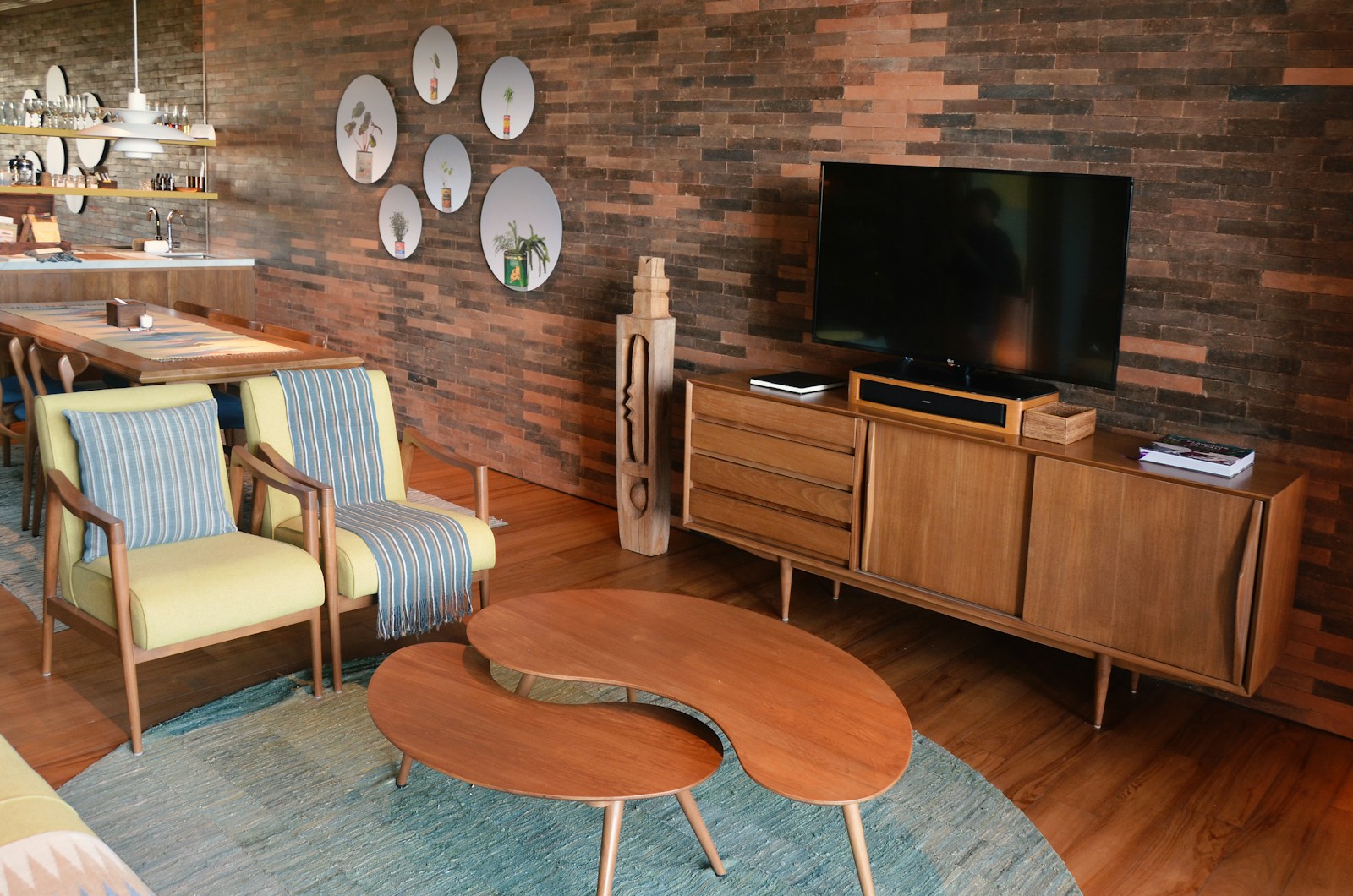
Mid‑century teak furniture is one of the most commonly discarded categories that can actually be worth thousands. Solid teak sideboards, lowline TV units, and dining tables from the 1950s to 1970s are highly sought after for their clean lines and durable construction. In coverage of super valuable items people overlook at home, experts highlight how owners often send these pieces to the tip during kitchen or living room makeovers. The stakes are clear for you as a homeowner, because replacing them with flat‑pack furniture rarely recoups what you could have earned by selling the originals.
Before you donate or dump an old buffet or coffee table, check for solid timber, dovetail joints, and original hardware. Even pieces with worn varnish or minor water marks can be restored, and collectors will often pay a premium for authentic patina rather than a modern reproduction. If you are renovating, consider styling the room around a standout vintage piece instead of ripping it out, because the right teak unit can lift both your interior design and your resale appeal.
2) Vintage vinyl records and turntables
Vintage vinyl records and turntables are another category people clear out without realising their value. Original pressings of classic rock, jazz, and early Australian releases can command strong prices, especially if the sleeves and inserts are intact. Older hi‑fi gear, including heavy turntables with solid platters and separate amplifiers, is often left on the curb during garage clean‑ups, even though collectors actively hunt for specific models. When you throw these out, you are not just losing potential cash, you are discarding a slice of music history that still has a dedicated audience.
To protect yourself from that mistake, look for first pressings, limited editions, and albums with banned or alternate cover art. Check whether your turntable has a recognizable brand badge, a wooden plinth, and a removable headshell, all signs it may be worth servicing rather than scrapping. Even if a unit no longer works, parts like tonearms and cartridges can be salvaged and sold. For tenants and owners alike, a single rare LP or sought‑after deck can cover moving costs, storage fees, or a chunk of your next rent increase.
3) Retro kitchenware and Pyrex
Retro kitchenware, especially patterned Pyrex and stoneware, often ends up in charity bins or landfill when people modernise their kitchens. Yet certain mixing bowls, casserole dishes, and storage containers from the mid‑20th century have become cult collectibles. Distinctive colourways and motifs, such as bright florals or atomic‑era designs, can push prices far beyond what you would expect from an old baking dish. If you casually toss these pieces during a pantry purge, you may be throwing away items that could fund your next appliance upgrade.
When sorting cupboards, separate glass and ceramic pieces with matching lids, clear brand markings, and vivid patterns that have not faded. Sets are especially valuable, so resist splitting them between family members or donation boxes. Even chipped or lightly crazed items can appeal to stylists who use them for photo shoots and display, which means you still have options beyond the bin. For landlords staging a property, styling with authentic vintage kitchenware can also help a listing stand out in crowded rental and sales markets.
4) Old advertising signs and tins
Old advertising signs and tins, once considered pure junk, now sit firmly in the collectible category. Metal petrol signs, enamel shopfront panels, and branded biscuit or tea tins often surface during shed clean‑outs or estate clearances. Because many were exposed to the elements or thrown away decades ago, surviving examples are relatively scarce, which drives demand among decorators and collectors. If you send these straight to scrap metal or general waste, you are effectively discarding ready‑made wall art that others will pay to display.
Look for bold logos, Australian brands, and signs with raised lettering or enamel finishes, even if there is rust or fading. Original mounting holes, dents, and scratches can actually enhance the industrial look that buyers want. Smaller tins with hinged lids are popular for storage and styling, so group them rather than scattering them through donation piles. For you as a homeowner, a single petrol sign or tobacco tin can offset the cost of a skip bin or professional cleaner during a major declutter.
5) First‑generation game consoles and cartridges
First‑generation game consoles and cartridges are frequently tossed when people assume old electronics are worthless. Early systems such as the Nintendo Entertainment System, Sega Mega Drive, and original PlayStation now attract nostalgic buyers who want to replay childhood favourites on original hardware. Boxed consoles, controllers, and game cartridges with intact labels can sell for far more than their original retail price. If you drop them at e‑waste collection points without checking, you may be handing over a collection that could meaningfully boost your savings.
Before you dispose of any gaming gear, gather all cables, manuals, and packaging, because complete sets are especially attractive to collectors. Limited‑run titles, sports games featuring specific athletes, and early role‑playing games can be surprisingly valuable, even if the plastic cases look ordinary. You can also test whether consoles power on, but do not assume a non‑working unit is worthless, as hobbyists often buy them for parts or repair projects. For renters and students, selling a forgotten console bundle can cover bond, textbooks, or a new laptop.
6) Early Apple and retro computers
Early Apple and retro computers are another category that quietly moves from cupboard to landfill during tech upgrades. Beige desktop towers, chunky CRT monitors, and translucent iMacs may look obsolete, yet they have a strong following among collectors and museums. Machines that still boot, include original keyboards and mice, or retain factory stickers can be especially desirable. When you send them straight to recycling, you risk losing both historical value and a potential windfall that could fund your current devices.
Check model numbers on the back or underside of the case, and photograph any serial labels before you decide what to do. Even if a machine no longer works, components like keyboards with mechanical switches, early mice, and branded cables can be sold separately. Software boxes, manuals, and installation disks also appeal to archivists who document the evolution of personal computing. For small business owners clearing out offices, taking an hour to identify and list retro machines can turn a routine clean‑up into a meaningful budget boost.
7) Vintage jewellery and costume pieces
Vintage jewellery and costume pieces often disappear during quick declutters, especially when they are tangled, tarnished, or missing stones. Yet older brooches, clip‑on earrings, and necklaces can be valuable even when they are not made from solid gold or silver. Collectors look for distinctive designs, quality settings, and maker’s marks that indicate a particular era or brand. If you sweep these items into rubbish bags while sorting drawers, you may be discarding pieces that could be restored, resold, or repurposed.
When you sort jewellery boxes, separate anything with hallmarks, signatures, or unusual clasps, and take clear photos before deciding to part with them. Costume jewellery from the 1920s to the 1970s is especially popular for weddings, film productions, and vintage fashion shoots. Even single earrings or broken chains can be used for craft and repair work, which means they still hold value beyond scrap. For families managing estates, carefully cataloguing jewellery before disposal helps avoid disputes and ensures sentimental items do not vanish unnoticed.
8) Classic bicycles and frames
Classic bicycles and frames are regularly left on kerbsides or taken to the tip when garages are cleared. Steel‑framed road bikes, early mountain bikes, and locally built frames can be highly collectible, particularly if they retain original decals and components. Cyclists and restorers seek out specific brands and geometries that are no longer produced, which means your dusty bike could be more than just scrap metal. Throwing it away without checking effectively hands that opportunity to whoever spots it first on hard‑rubbish day.
Inspect the frame for brand names stamped or stickered on the tubes, and note any distinctive lugwork or paint schemes. Even if the wheels are buckled or the drivetrain is rusted, the frame alone can be valuable, especially in smaller or larger sizes that are harder to find. Vintage parts such as quill stems, friction shifters, and leather saddles also attract buyers who want period‑correct builds. For city dwellers short on storage, selling a single classic bike can free up space and help cover rising parking or public transport costs.
9) Old tools and workshop gear
Old tools and workshop gear often head straight to the skip when sheds are demolished or downsized. Hand planes, chisels, vices, and measuring tools from earlier decades were typically made from higher‑grade steel and built to last, which is why woodworkers and mechanics still seek them out. Branded toolboxes and complete sets in original cases can be especially valuable. If you treat them as rusty junk and toss them, you are discarding equipment that could out‑perform many modern budget tools.
Sort tools by type and brand, and look for stamped markings on metal surfaces or engraved wooden handles. Even items with surface rust can usually be cleaned and sharpened, and enthusiasts often prefer restoring older tools to buying new ones. Larger workshop pieces, such as drill presses or bench grinders, can also find second lives in community sheds and maker spaces. For homeowners preparing a property for sale, presenting a tidy, well‑equipped workshop can even enhance buyer perception of the entire house.
10) Vintage rugs and textiles
Vintage rugs and textiles are frequently rolled up and thrown out during flooring upgrades or when tenants move out. Hand‑knotted wool rugs, kilims, and older flatweave runners can be worth far more than modern machine‑made alternatives, even if they show wear. Distinctive patterns, natural dyes, and traditional weaving techniques all contribute to their desirability. When you send them to landfill, you are not only losing potential income, you are also contributing to textile waste that is difficult to manage.
Before discarding any rug, check the back for signs of hand‑knotting, such as irregular knots and fringes that are part of the structure rather than sewn on. Photograph any labels or tags that mention origin or materials, and measure the piece accurately, as size heavily influences value. Even stained or threadbare rugs can be cut down or used in styling, which keeps them in circulation. For investors and downsizers, selling quality vintage rugs can help fund new flooring or professional cleaning for the rest of the property.
11) Early mobile phones and electronics
Early mobile phones and electronics often end up in e‑waste bins as people upgrade to newer models. However, first‑generation smartphones, brick‑style mobiles, and quirky devices like flip phones and pagers have become collectible. Enthusiasts look for boxed units, limited editions, and devices that marked turning points in design or technology. If you dispose of them without checking, you may be throwing away items that document the rapid evolution of communication and still hold resale value.
Gather old chargers, manuals, and accessories, because complete sets are more attractive to buyers and museums. Check whether batteries are removable, and store them separately to prevent leaks while you research values. Even non‑working devices can be used for display, film props, or parts harvesting. For households juggling multiple upgrades, selling a small stash of early electronics can offset the cost of new phones, tablets, or home internet equipment.
12) Retro light fittings and bathroom fixtures
Retro light fittings and bathroom fixtures are often ripped out during renovations and tossed into skips without a second thought. Original pendant lights, wall sconces, pedestal basins, and coloured toilets from mid‑century homes can be highly desirable for people restoring period properties. Matching sets with intact glass shades or distinctive colours are particularly sought after. When you discard them, you are effectively throwing away architectural details that new buyers may later pay to re‑create.
Before demolition starts, carefully remove fittings and check for damage, then photograph them in good light so you can show potential buyers how they look installed. Electricians and plumbers can often advise which pieces are safe to reuse and which are better suited to decorative purposes only. Salvage yards, film set designers, and renovators all hunt for authentic fixtures that match specific eras. For you, taking the time to salvage and sell these items can reduce renovation costs and keep character features in circulation instead of in landfill.
More from Vinyl and Velvet:

Leave a Reply