

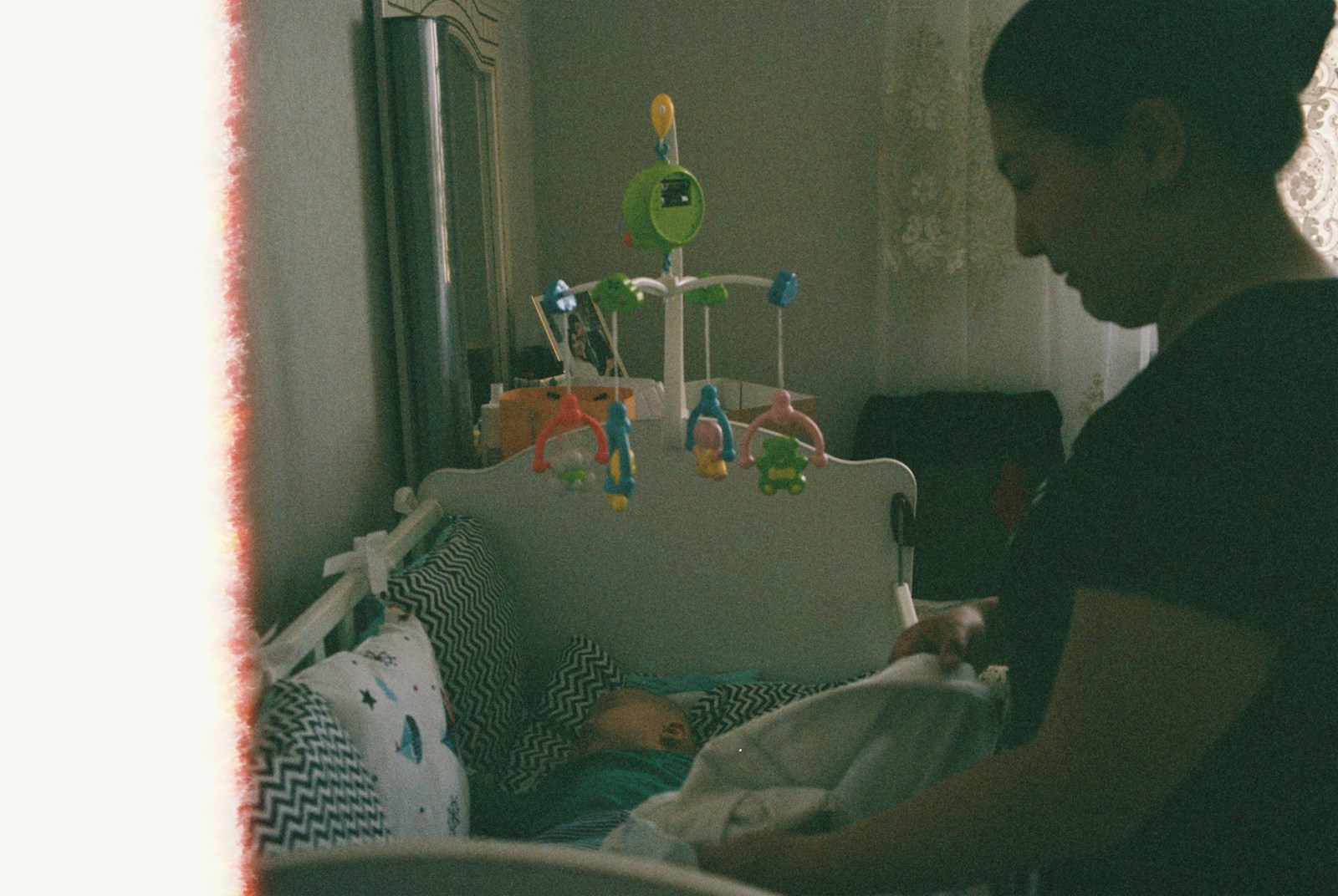
A father seeking to establish a sleep schedule for his toddler found his wife in tears by their daughter’s crib. This emotional moment came after a weekend of friction centered around parenting choices and sleep arrangements in their household.

The couple, married for several years, recently faced challenges as the demands of parenthood began to take a toll on their relationship. The father, 39, returned to work after a week of vacation, eager to implement a more structured schedule for their nearly two-year-old daughter. His wife, 38, had been managing their daughter’s routines while he worked, but the couple’s differing approaches to sleep and meal times created tension.
For months, their daughter maintained an erratic schedule. She would wake up around 11 a.m., eat lunch late in the afternoon, and often stayed awake until midnight. The father found this especially troubling, as it directly impacted his own sleep and productivity at work. Working in education, he knew the importance of a well-rested household, particularly for children.
After discussing the issue to exhaustion, the father devised a plan to change the routine. During his week off, he took charge, successfully transitioning their daughter to a more predictable schedule, with breakfast around 9 a.m. and bedtime around 9:30 p.m. However, when he returned to work, his wife reverted to the previous routine, resulting in late nights and early mornings filled with frustration for him.
On a particularly grueling night when their daughter stayed up until midnight, he resorted to taking a sleep gummy yet still did not manage to fall asleep until 2 a.m. His frustration peaked when, after waking at 6:15 a.m. the following day, he found his wife distracted and not following through on their daughter’s feeding and sleeping schedule.
The father was upset when he realized his wife had chosen to stay up late, neglecting to adjust their daughter’s schedule even after he had made multiple attempts to communicate the importance of a structured routine. Compounded by her chronic health condition as a diabetic, his wife’s late-night habits made the situation even more challenging.
After expressing his concern, he checked on their daughter through the baby monitor only to find his wife crying by the crib. This moment struck him hard—what was meant to be a constructive push for their daughter’s needs turned into emotional fallout for his wife. When he confronted her later, she shared her stress about maintaining a routine while dealing with fatigue and her health issues.
Despite her tears, he continued to emphasize the importance of a routine for their daughter, believing that structure was crucial at her young age. Their discussion quickly escalated into an argument, revealing deep-seated frustrations about their current lifestyle and responsibilities. He expressed anger at her apparent lack of energy to prioritize their child’s needs in favor of her own late-night indulgences, like ordering energy drinks.
Many parents have shared their experiences to highlight similar struggles in establishing routines. Some noted that toddlers thrive on consistency, which can help reduce behavioral issues and provide a sense of security. One parent pointed out, “Setting a schedule can make everyone’s lives easier when done right.” Others cautioned that rigid schedules can be tough to maintain for parents juggling their own needs alongside their children’s.
Intent on finding a resolution, the father returned home after an errand with a variety of treats for his wife and offered her a chance to take a break. When he found her still distressed, he reassured her that they could collaborate on better balancing their parenting duties moving forward.
Despite their efforts to communicate, the couple remains at a crossroads. The father is committed to implementing a structured routine for their daughter, but he must also consider his wife’s feelings and wellbeing. The emotional strain of parenting, coupled with the need for a balanced household, has created a complex situation for them.
This story reflects the ongoing challenges many parents face in balancing their children’s needs with their own. With a little more dialogue, they hope to create a more stable environment for their daughter while also addressing the emotional needs of both parents.
More from Vinyl and Velvet:

Leave a Reply