

A resident in a small neighborhood has expressed frustration over a persistent parking issue caused by their neighbors, who consistently choose to park their vehicles in front of the resident’s house instead of using their own empty driveway. This situation has been ongoing for years and has recently escalated as the neighbors have further converted their garage into a storage space, leaving even less room for parking on their property.
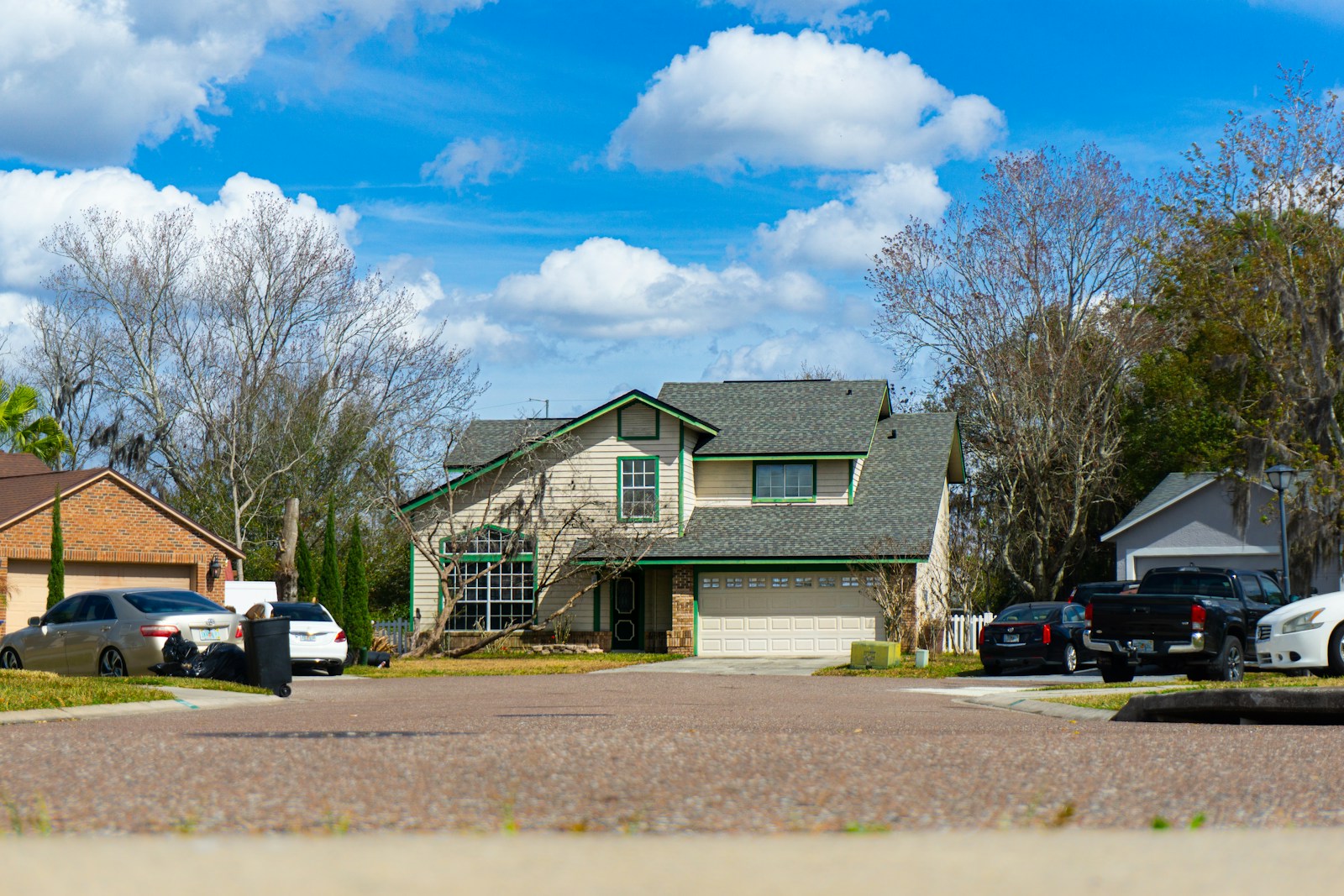
The homeowner, who wishes to remain anonymous, recounted the history of the property. The previous occupants had no trouble parking their compact car in the driveway, which is steep but manageable for most vehicles. However, the new family has repeatedly parked one car in the garage and the other on their gravel side yard, creating a growing issue with street parking as their guests always opt to use the side of the road in front of the resident’s home.
Despite the resident’s attempts to communicate the issue, including subtle hints about utilizing their driveway instead of congesting the street, the neighbors seem oblivious. The resident noted that the neighbors would laugh off the comments, often claiming the driveway is too steep and dangerous for parking. This response left the resident feeling unheard and increasingly frustrated.
As the situation has developed, the parking problem has intensified. Recently, the neighbors have taken to parking both of their vehicles beneath a tree directly in front of the resident’s living room window. This has significantly impacted the resident’s view from their home, effectively blocking their sightline to the street.
The resident explained how the sight of the neighbors unloading groceries and walking up the steep driveway without utilizing the empty driveway has been particularly irksome. This has caused the resident to contemplate whether they should confront the neighbors directly to resolve the issue once and for all.
In considering their options, the resident hinted at the idea of retaliating by parking their own vehicles on the street in front of their home, thus forcing the neighbors to rethink their parking habits. However, this approach feels petty to the resident, who is looking for a more productive solution.
The ongoing situation raises questions about neighborly etiquette and the expectations of how to utilize residential parking spaces. It also taps into broader themes of communication and community living, where one person’s choices can significantly impact the lives of others.
One person commented on the dilemma, suggesting that a direct conversation could help clarify things. They believe open communication might bridge the gap and lead to a better understanding between neighbors. Another reader chimed in, advising the resident to document the situation and prepare for a discussion, emphasizing the importance of setting boundaries in such living arrangements.
The resident remains uncertain about confronting their neighbors, weighing the potential benefits and risks. They are caught in a loop of frustration and contemplation, wanting to resolve the parking issue while avoiding unnecessary conflict.
With no clear resolution in sight, the resident continues to mull over their next steps. Should they take the direct approach or let the situation continue, hoping for change without confrontation?
More from Vinyl and Velvet:

Leave a Reply