

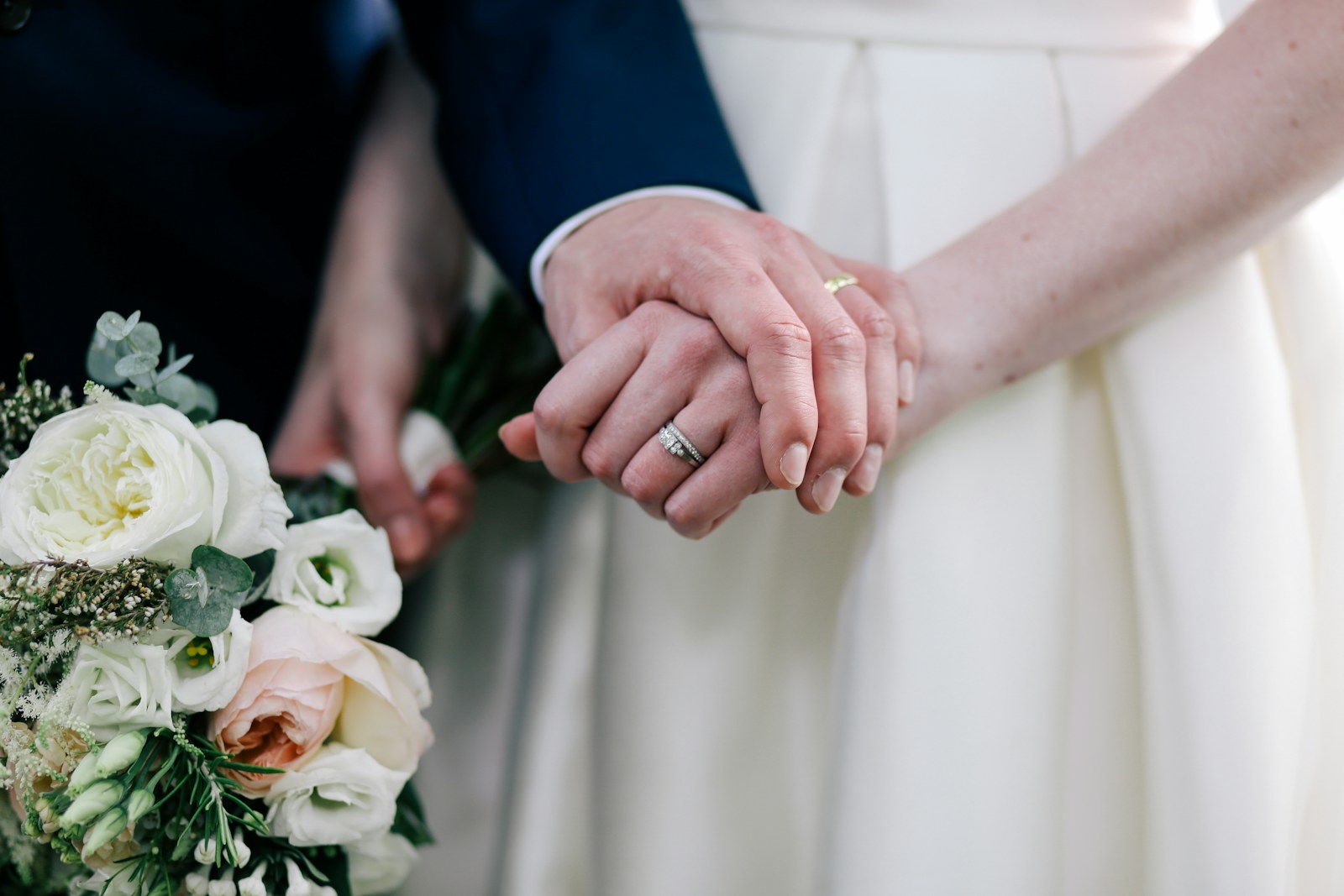
A couple getting married next year has hit a snag in their planning process after the bride-to-be decided to take things into her own hands, leaving her fiancé feeling sidelined. The couple initially aimed for a straightforward DIY wedding with a small guest list. However, after some discussion, the fiancée proposed hiring a wedding planner to ease the load.

The fiancé expressed hesitations at first, concerned about the expense and the potential to disrupt their budget for future plans. Yet, after watching a few social media reels stressing the importance of a wedding planner, he began to consider the benefits. They eventually hired a professional, believing it would free up their time to enjoy their relationship more.
Initially, things went smoothly. They spent more time together watching shows, playing badminton, and socializing with friends. But as planning progressed, the fiancée started to cancel their plans to dive deeper into wedding preparations. She booked multiple venue viewings that consumed entire evenings, forcing the fiancé to drive long distances after work to pick her up.
As the wedding details began to pile up, her focus shifted from spending quality time together to obsessing over minute details like venue layouts and decorating ideas. The fiancé noticed that even during their designated relaxation time, she was often multitasking, scrolling through wedding ideas on her laptop while they attempted to watch television together.
This shift led to frustration for him. He valued their time spent enjoying joint activities, particularly since they had shared certain rituals since the beginning of their relationship, like watching their favorite series. When their routine was disrupted by her incessant planning, he felt her dedication to the wedding was overshadowing their time together.
During one particular viewing session, she kept distracting him with wedding ideas that she discovered online. This made the fiancé feel left out of an engagement he had hoped would include teamwork. When she confronted him about seeming indifferent, he pointed out that the couple seemed to be doing the planner’s job themselves, leading him to question the value of their investment.
Following this confrontation, tensions escalated between the couple. The fiancé felt justified in his concerns about their money being spent on a planner who they were not utilizing effectively. Meanwhile, the fiancée felt overwhelmed and alone in her wedding preparations, questioning why the responsibility for planning had fallen so heavily on her.
After some reflection, the fiancé realized that communication had broken down. They had both been deeply invested in wedding planning but had not effectively discussed their feelings about the workload. Their conversation revealed mutual frustrations, with the fiancée apologizing for distracting him during their quality time and acknowledging that her fervor for planning had overshadowed their time together.
As they worked through their issues, the couple recognized that they needed to trust the wedding planner’s expertise. They realized that while the planner was there to support them, they had allowed their own enthusiasm to turn into micromanagement of their wedding. This realization helped them realign their goals and expectations for their time together.
With some constructive discussions under their belt, they both committed to striking a better balance moving forward—making sure that wedding planning ran parallel to their time as a couple rather than consuming it. They also recognized the importance of enjoying the engagement process rather than allowing it to become a source of stress.
In the end, what started as a simple planning miscommunication sparked a deeper conversation about relationship dynamics and shared responsibilities. The couple hopes their journey through wedding preparations will reflect their partnership rather than chaos or contention.
More from Vinyl and Velvet:

Leave a Reply